



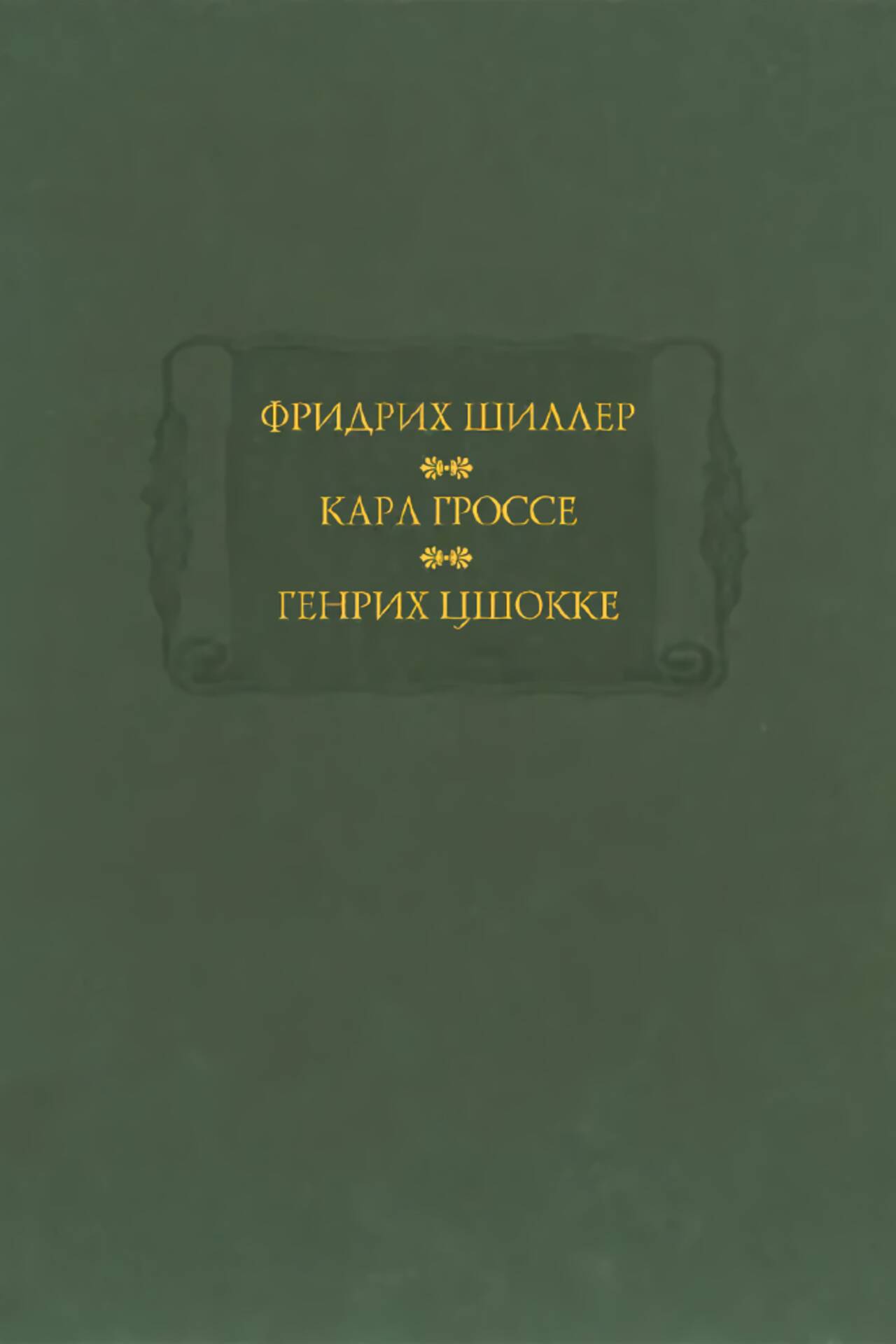
Spiritualist. Genius. Abellino

Spiritualist. Genius. Abellino
29.99 €
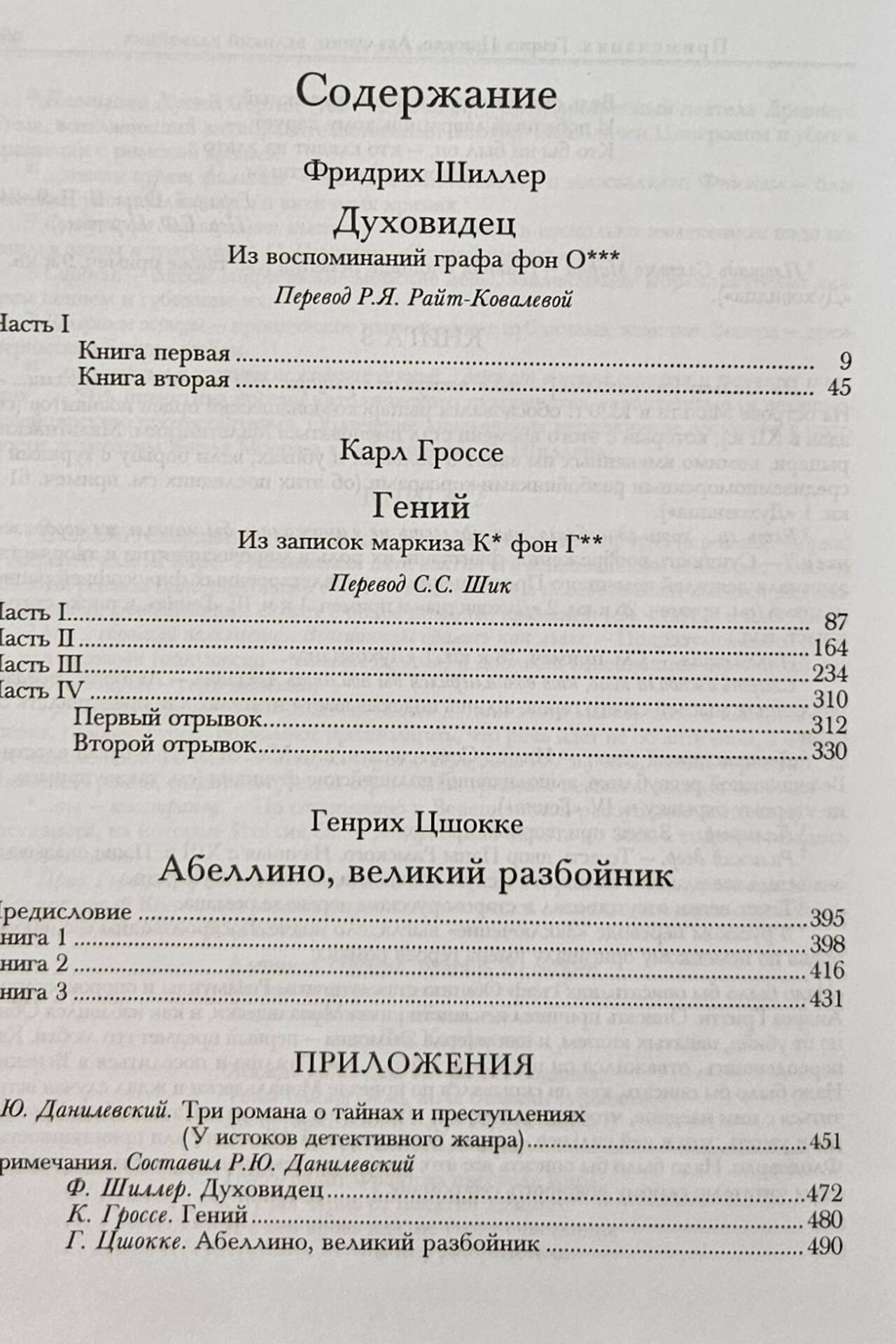
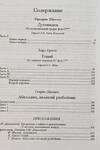
Three novels of the late XVIII century are published under one binding, and today they are interesting because they not only once caused a stir among readers throughout Europe, but also gave rise to many translations, sequels and imitations, echoes of which are still found today. The novels are united by a number of common motives: mysticism and its exposure, powerful secret societies, conspiracies, adventures, unexpected twists and turns associated with dressing up and “recognition”, imaginary deaths and resurrections, exciting love collisions. All three authors without exaggeration created monuments to their era, capturing the spirit of the times, inscribing a whimsical plot in the context of the global dilemmas of the century: evil and justice, rational and supernatural, weakness and human strength.
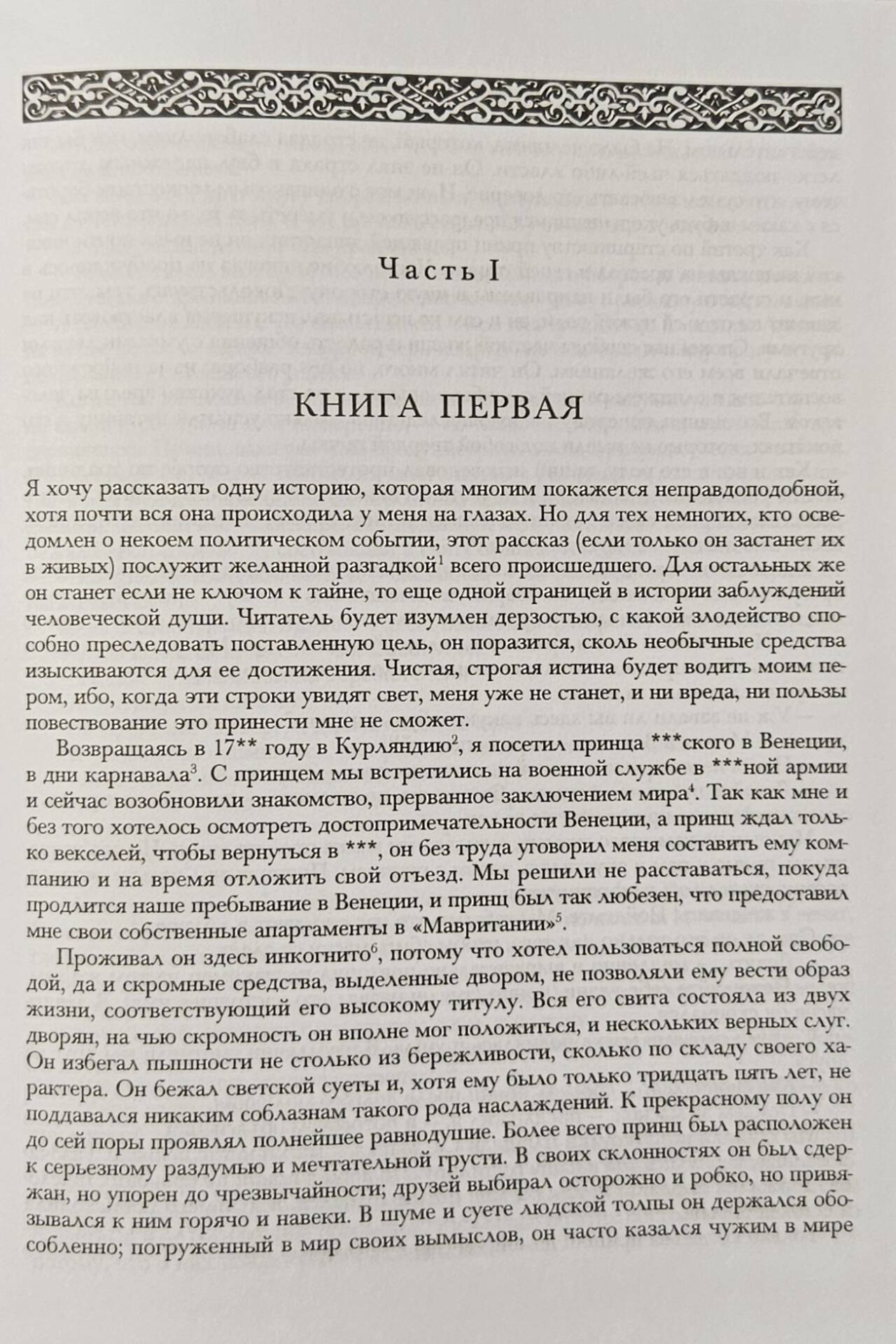
In the novel “The Spirit-Seeker” (1789) of the great German poet and thinker Friedrich Schiller (1759 – 1805), the main character, who for a time settled in Venice, becomes the victim of political intrigues and hoaxes by mysterious and far from harmless rascals reminiscent of the great adventurers of the 18th century (counts Cagliostro and de Saint-Germain).
“Genius” (1791–1795) by Carl Grosse (1768–1847), a writer who made up his own destinies and invented masks, is clothed in the form of the memoirs of a Spanish marquis. The hero experiences dizzying adventures, including love, travels around the world, gets into the networks of a secret brotherhood that intends to establish a new world order by any means. Grosse is one of those who remained in history the author of one novel, but he managed to create a work that significantly influenced the European literary tradition. It was read by Mary Shelley and Jane Austen, and the latter even ranked “Genius” as a kind of Gothic “canon”, putting it on a par with “Italian” and “Udolphian secrets” by Anna Radcliffe.
The third author, the Swiss Heinrich Zschokke (1771-1848), conquered not only Western Europe, but also Russia. His novel “Abellino, the Great Thief” (1794), published anonymously and widely known (after its translation into English by Matthew Gregory Lewis, author of the famous “The Monk”), tells the story of a noble robber who exposed an insidious conspiracy against the Venetian Doge.
All three stories treat similar themes in different ways and offer the reader not only to enjoy a subtle development of characters (Schiller), a literary game with traditional genres (pastoral, a roguish novel, a Gothic novel and another - Grosse), but also to plunge into the world of passions, heroes-"supermen" (Zshokke), planning the birth of new genres - detective and thriller.
In the novel “The Spirit-Seeker” (1789) of the great German poet and thinker Friedrich Schiller (1759 – 1805), the main character, who for a time settled in Venice, becomes the victim of political intrigues and hoaxes by mysterious and far from harmless rascals reminiscent of the great adventurers of the 18th century (counts Cagliostro and de Saint-Germain).
“Genius” (1791–1795) by Carl Grosse (1768–1847), a writer who made up his own destinies and invented masks, is clothed in the form of the memoirs of a Spanish marquis. The hero experiences dizzying adventures, including love, travels around the world, gets into the networks of a secret brotherhood that intends to establish a new world order by any means. Grosse is one of those who remained in history the author of one novel, but he managed to create a work that significantly influenced the European literary tradition. It was read by Mary Shelley and Jane Austen, and the latter even ranked “Genius” as a kind of Gothic “canon”, putting it on a par with “Italian” and “Udolphian secrets” by Anna Radcliffe.
The third author, the Swiss Heinrich Zschokke (1771-1848), conquered not only Western Europe, but also Russia. His novel “Abellino, the Great Thief” (1794), published anonymously and widely known (after its translation into English by Matthew Gregory Lewis, author of the famous “The Monk”), tells the story of a noble robber who exposed an insidious conspiracy against the Venetian Doge.
All three stories treat similar themes in different ways and offer the reader not only to enjoy a subtle development of characters (Schiller), a literary game with traditional genres (pastoral, a roguish novel, a Gothic novel and another - Grosse), but also to plunge into the world of passions, heroes-"supermen" (Zshokke), planning the birth of new genres - detective and thriller.
See also:
- All books by the publisher
- All books by the author
- All books in the series Literary monuments