


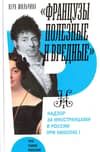
"The French: Useful and Harmful": Surveillance of Foreigners in Russia under Nicholas I
9.99 €
Out of stock
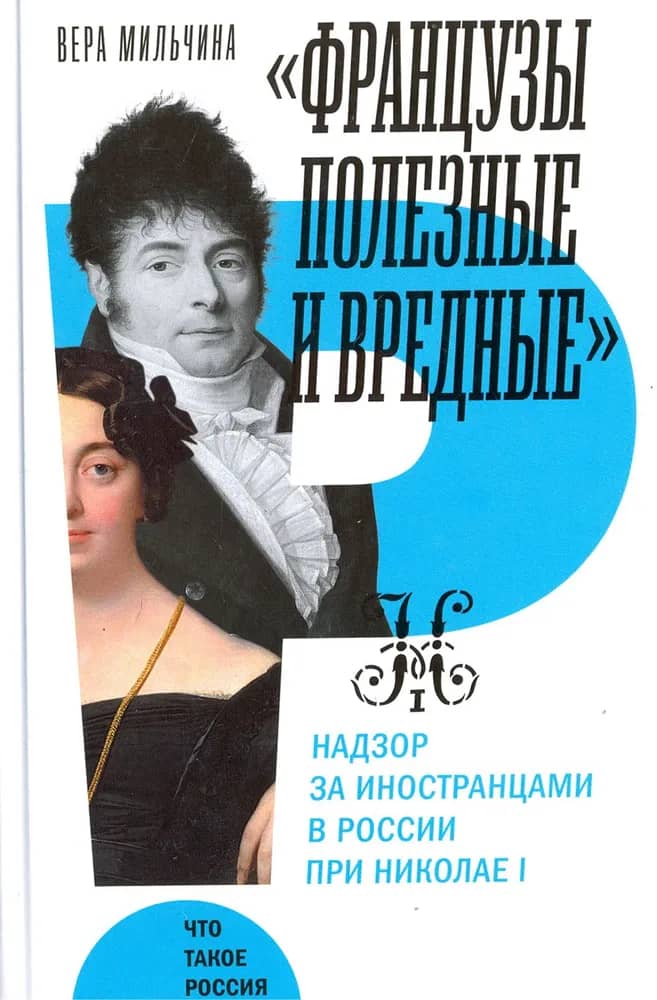
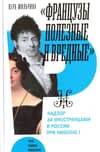
"The French: Useful and Harmful": Surveillance of Foreigners in Russia under Nicholas I
9.99 €
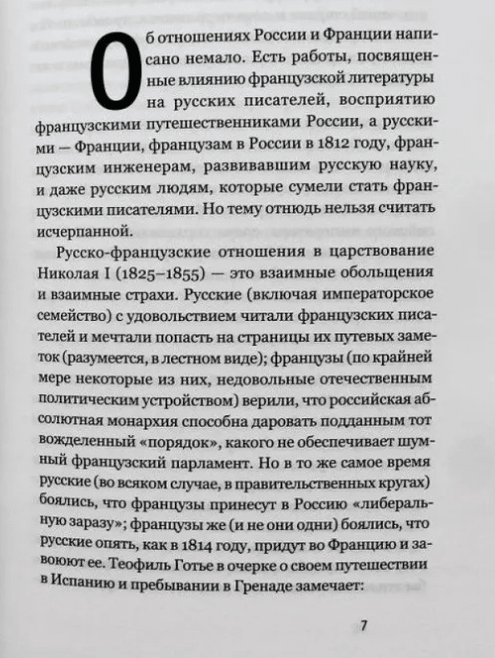
The historical influence of France on Russia is well known, the charm of French culture and the Parisian way of life could not shake even the Napoleonic wars. "And all Kuznetsky Most, and the eternal French,/From there fashions to us, and authors, and muses" - not without reason in his heart exclaims the conservative Famusov in Griboyedov's immortal comedy. However, with love for all things French, including the language spoken by the Russian aristocracy, to the French themselves, as well as to foreigners in general, the attitude in Imperial Russia was more than wary.
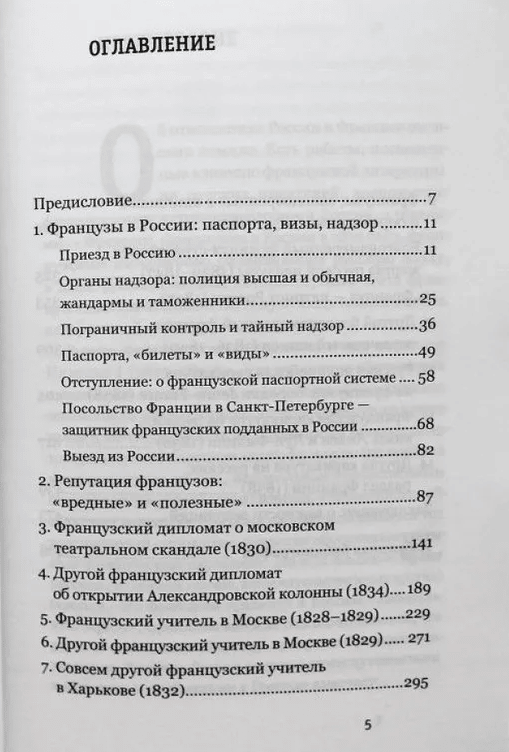
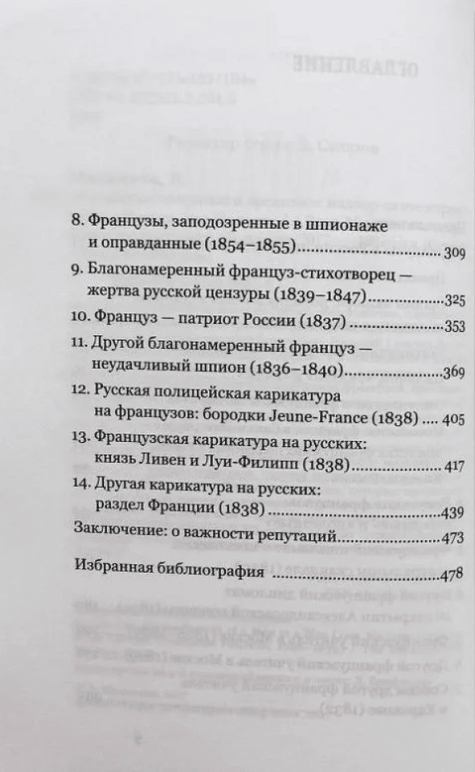
The well-known historian of Russian-French relations Vera Milchina tells about the misfortunes of French subjects who came and lived in Russia during the reign of Nicholas I. The Russian Empire was a state of extreme isolationism, so obtaining a Russian visa was fraught with great difficulty and bureaucratic red tape, at the entrance to the country, foreigners were arranged inquisitions with bias and searches. Foreigners could not move freely in the country without prior authorization, the secret police kept a close watch over them and could expel any "harmful" Frenchman from the country on the basis of an anonymous denunciation. The author builds his fascinating narrative on the basis of valuable historical material: memoirs of French travelers, private correspondence, reports of diplomats, and the archives of the Third Department, which shed light on some of the origins of the modern state's attitude to "foreign influence.
The well-known historian of Russian-French relations Vera Milchina tells about the misfortunes of French subjects who came and lived in Russia during the reign of Nicholas I. The Russian Empire was a state of extreme isolationism, so obtaining a Russian visa was fraught with great difficulty and bureaucratic red tape, at the entrance to the country, foreigners were arranged inquisitions with bias and searches. Foreigners could not move freely in the country without prior authorization, the secret police kept a close watch over them and could expel any "harmful" Frenchman from the country on the basis of an anonymous denunciation. The author builds his fascinating narrative on the basis of valuable historical material: memoirs of French travelers, private correspondence, reports of diplomats, and the archives of the Third Department, which shed light on some of the origins of the modern state's attitude to "foreign influence.
See also:
- All books by the publisher
- All books by the author
- All books in the series What is Russia