


The Story and Legend of Pop of Kalenberg
69.99 €
The only thing available 1

The Story and Legend of Pop of Kalenberg
69.99 €
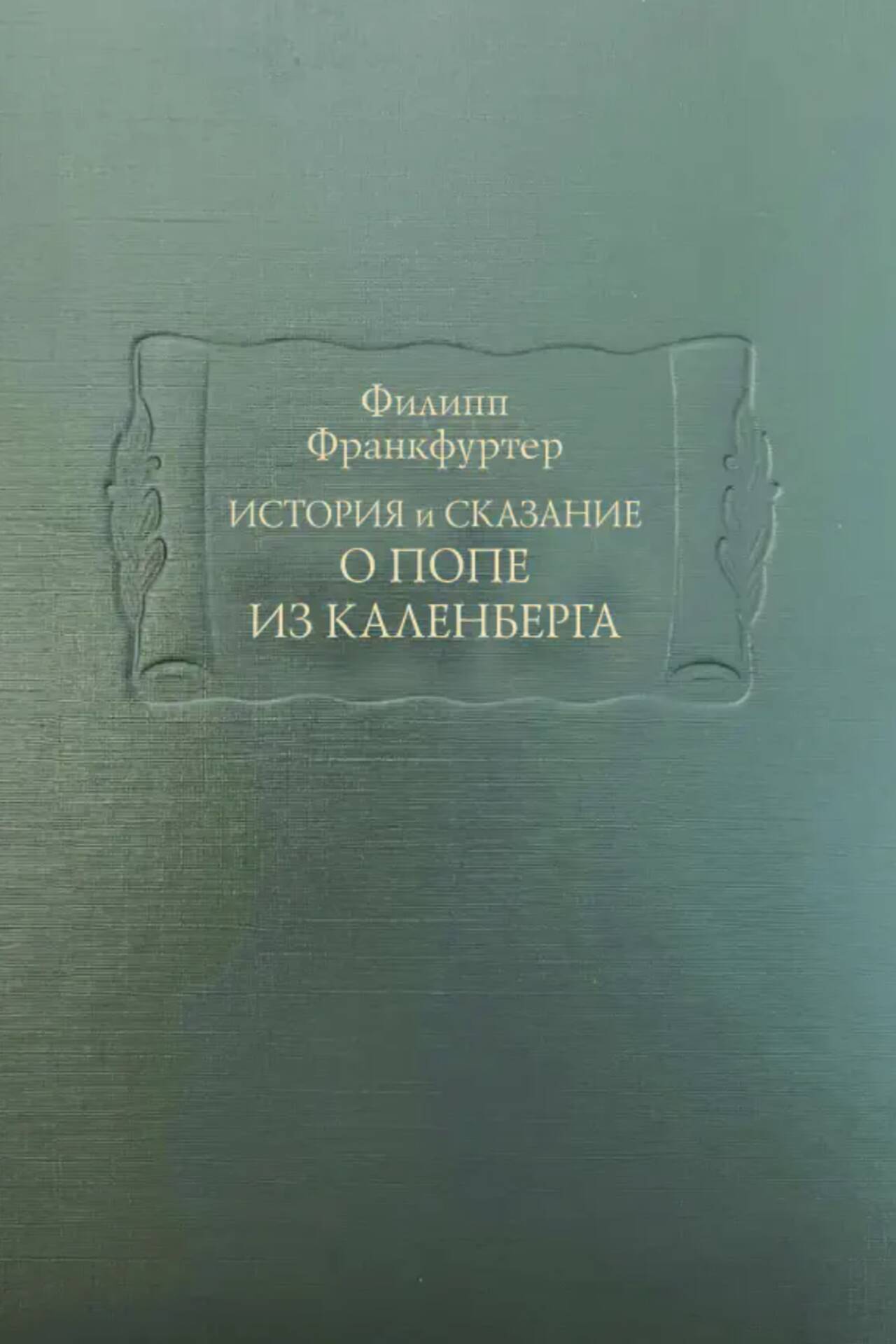
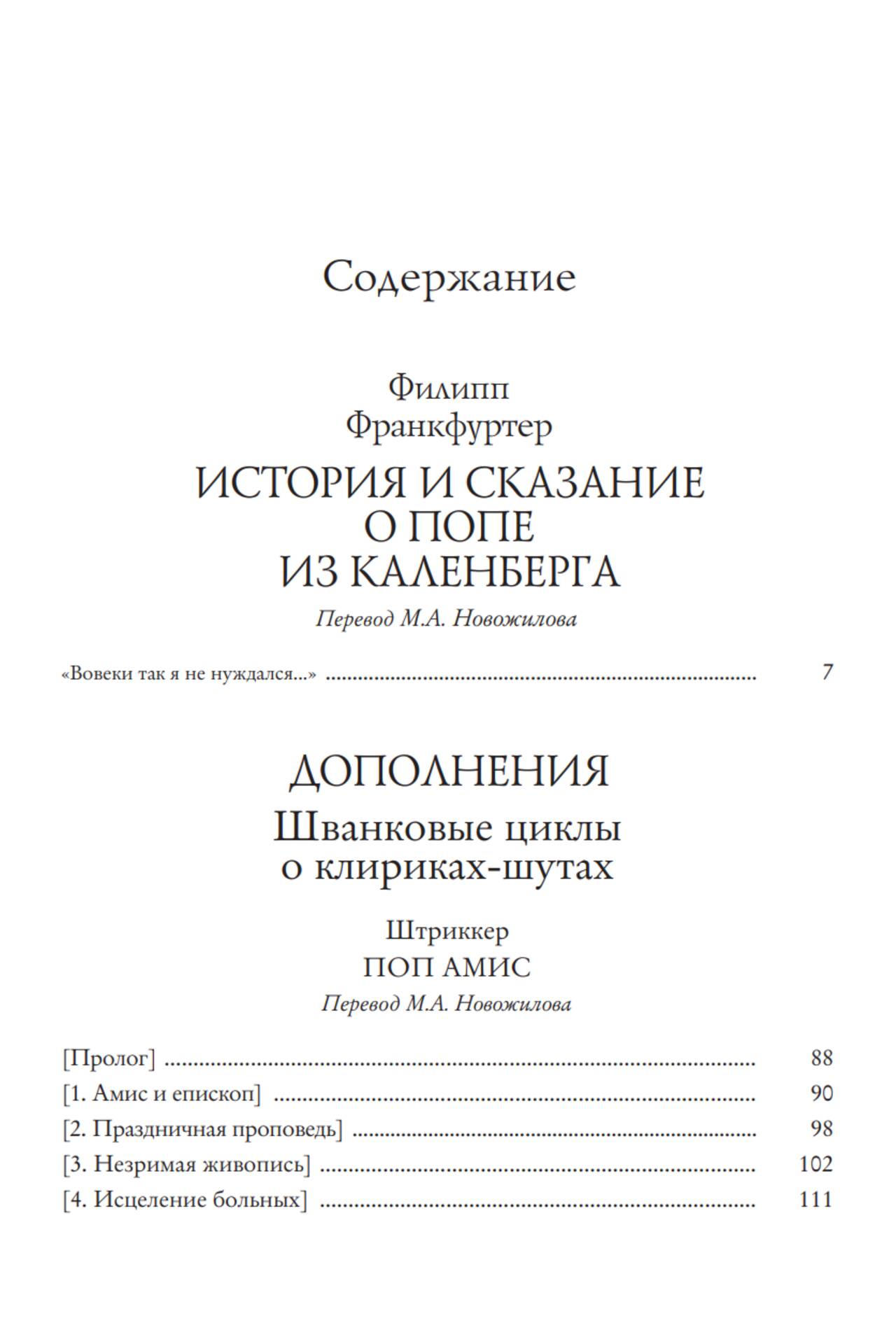
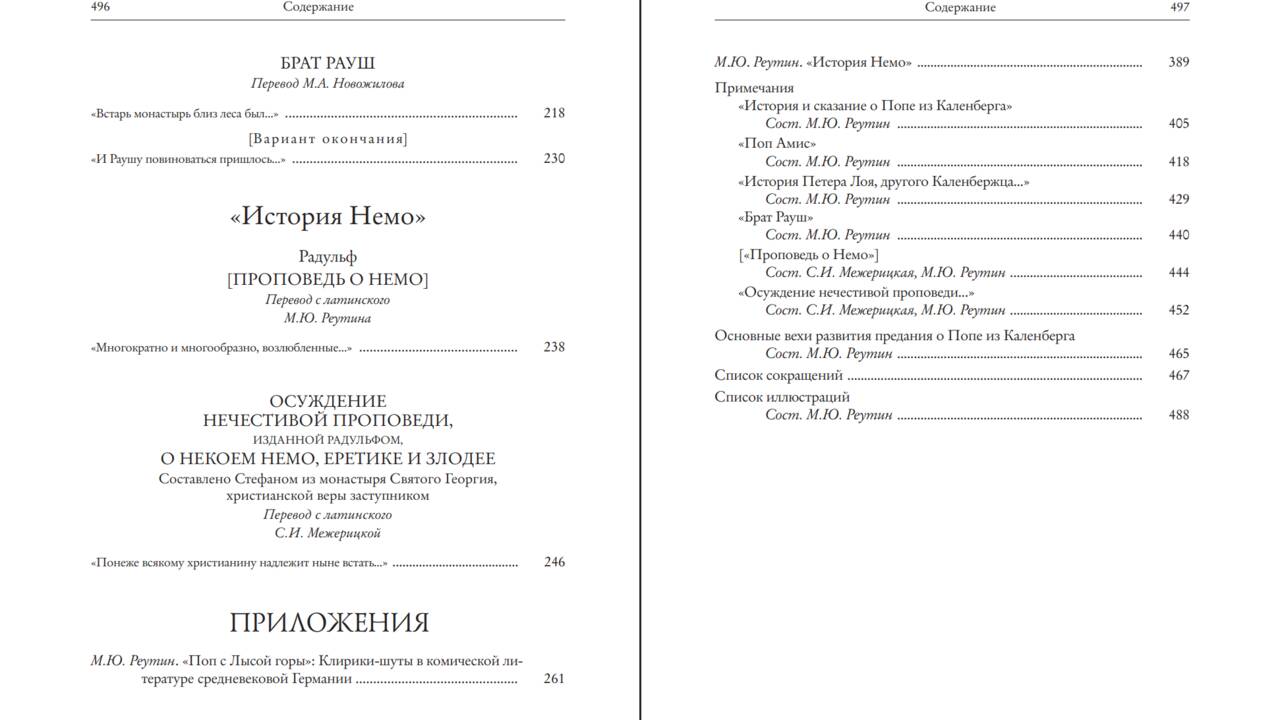
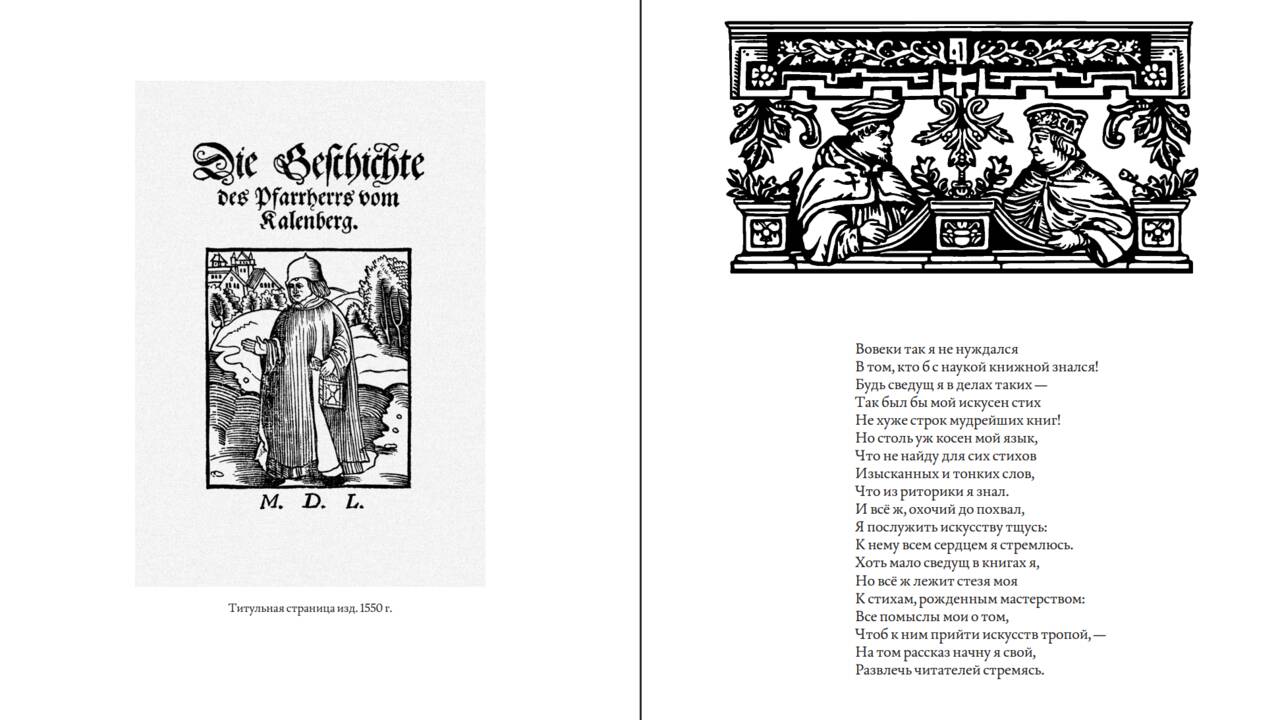
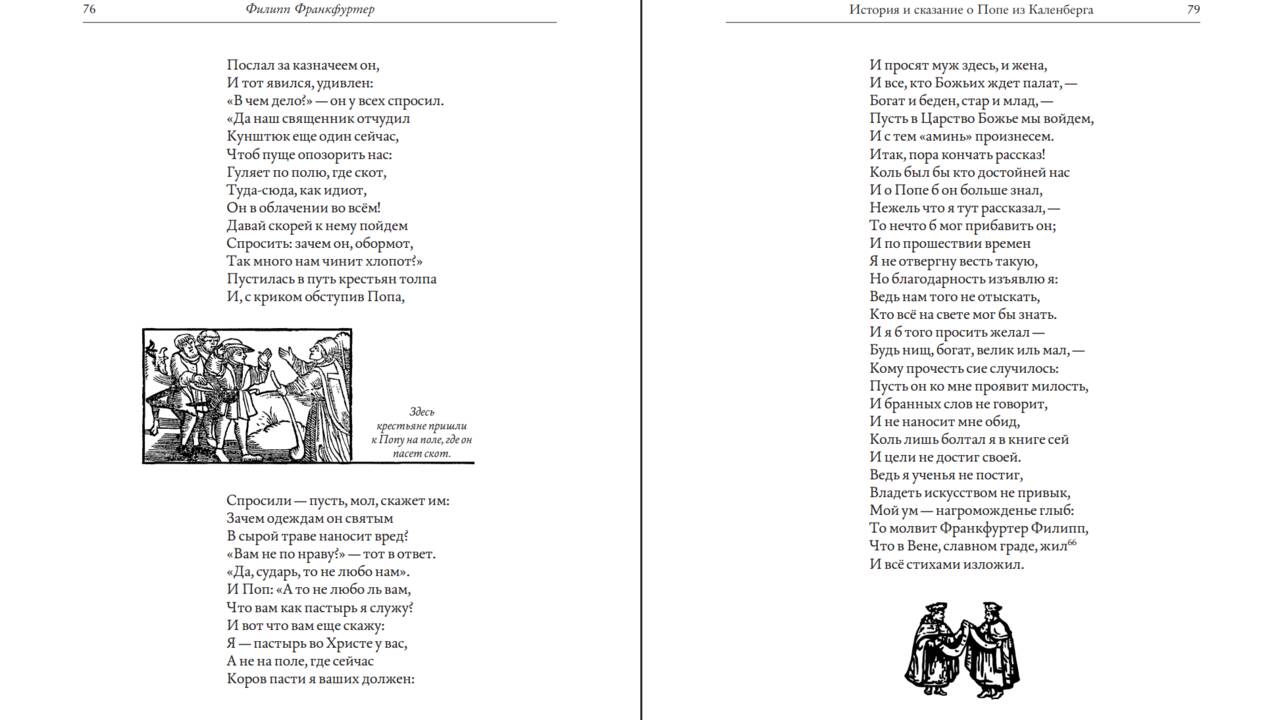
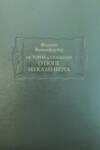
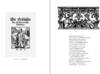
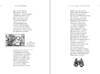
This edition is the second volume of a four-volume cycle on the folk culture of medieval Germany. It features a translation of Philipp Frankfurter's famous Schwank cycle, "The Stories and Tales of the Priest of Calenberg" (1473), one of the most popular late medieval German works. The hero of the cycle was called "Eulenspiegel in a cassock," and his poetics are based on puns, which even influenced the French term "calembourg."
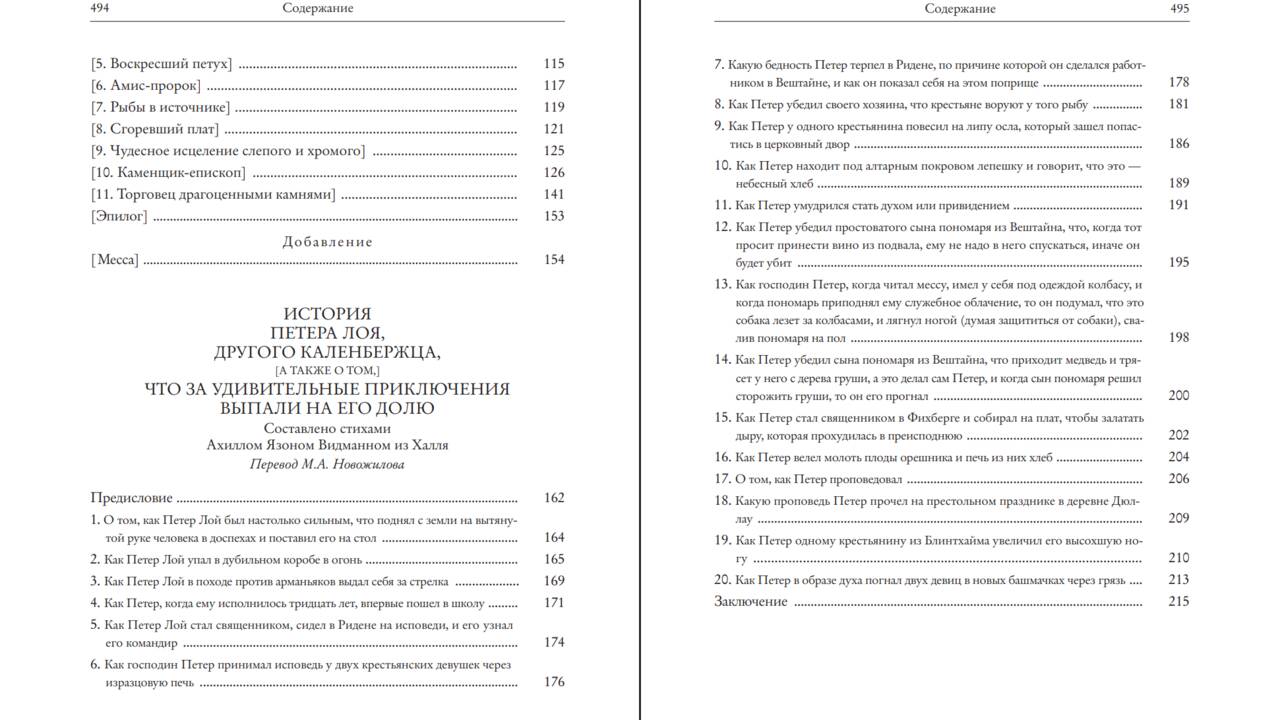
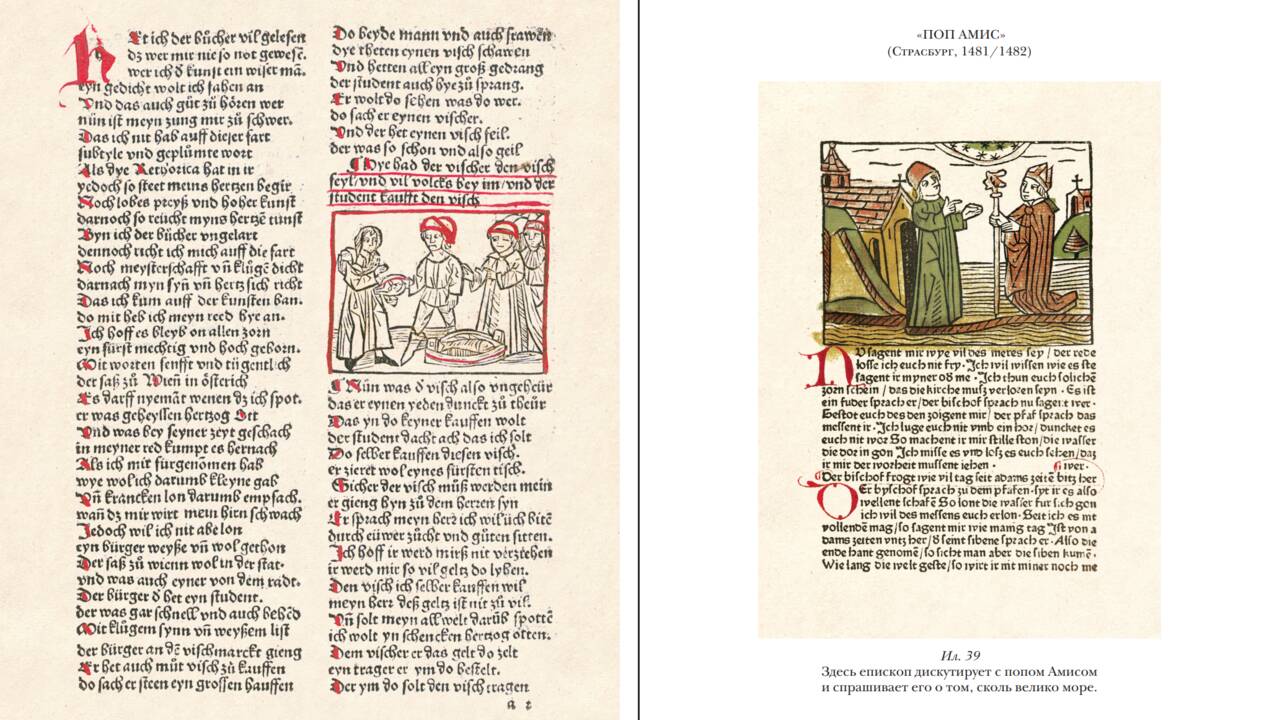
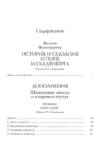
The "Supplements" section publishes three early Schwank romances about priest-jesters, beginning with Stricker's "Pop Amis" (c. 1230–1240), modeled on French fabliaux. "The Priest of Calenberg" also influenced Widmann of Hall's "The History of Peter Loy" (1557), a valuable source for details of medieval everyday life.
The first part of the Supplements concludes with the Northern German cycle "Brother Rausch" (c. 1448)—a satirical tale about a monastery of fools and drunkards, reminiscent of the Russian "Kalyazin Petition," but with the key role of the devil, who exacerbates the monastic vices.
A recurring theme in all four cycles is parodia sacra, a comic reinterpretation of church rituals. This theme continues in the second part of the Supplements—"The History of Nemo," which includes a humorous sermon by Radulf of Anjou and its angry refutation by Master Stephen (1290). The texts are built on a play with Latin negation ("Nemo is sinless," "Nemo is happy"), which Stephen took for heresy and subjected to an Inquisition-style investigation.
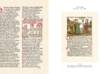
This publication immerses the reader in the world of medieval laughter, explored by M.M. Bakhtin. The first accompanying article criticizes the modernizing approaches of Germanists and traces the origins of the Schwank to ritualistic debate. The second article provides essential information on the "History of Nemo." All texts are provided with detailed commentary and illustrative inserts from medieval editions and manuscripts.
The "Supplements" section publishes three early Schwank romances about priest-jesters, beginning with Stricker's "Pop Amis" (c. 1230–1240), modeled on French fabliaux. "The Priest of Calenberg" also influenced Widmann of Hall's "The History of Peter Loy" (1557), a valuable source for details of medieval everyday life.
The first part of the Supplements concludes with the Northern German cycle "Brother Rausch" (c. 1448)—a satirical tale about a monastery of fools and drunkards, reminiscent of the Russian "Kalyazin Petition," but with the key role of the devil, who exacerbates the monastic vices.
A recurring theme in all four cycles is parodia sacra, a comic reinterpretation of church rituals. This theme continues in the second part of the Supplements—"The History of Nemo," which includes a humorous sermon by Radulf of Anjou and its angry refutation by Master Stephen (1290). The texts are built on a play with Latin negation ("Nemo is sinless," "Nemo is happy"), which Stephen took for heresy and subjected to an Inquisition-style investigation.
This publication immerses the reader in the world of medieval laughter, explored by M.M. Bakhtin. The first accompanying article criticizes the modernizing approaches of Germanists and traces the origins of the Schwank to ritualistic debate. The second article provides essential information on the "History of Nemo." All texts are provided with detailed commentary and illustrative inserts from medieval editions and manuscripts.
See also:
- All books by the publisher
- All books by the author
- All books in the series Literary monuments