


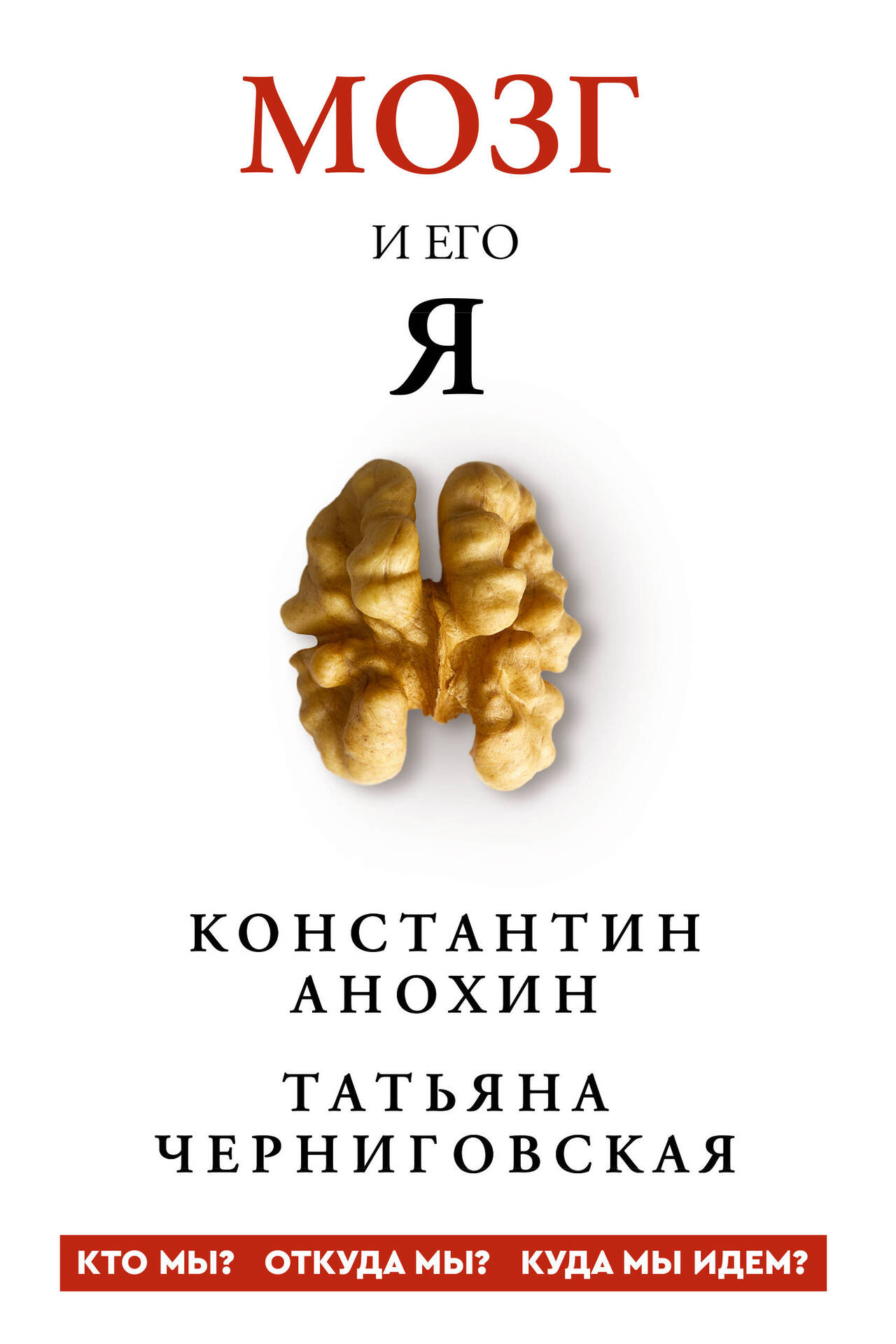
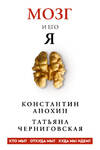
The Brain and Its Self. Who are we? Where do we come from? Where are we going?
29.99 €
In stock

The Brain and Its Self. Who are we? Where do we come from? Where are we going?
29.99 €
Konstantin Anokhin is a neurobiologist, cognitive scientist, director of the Institute for Advanced Brain Research at Lomonosov Moscow State University, professor, and academician of the Russian Academy of Sciences.
Tatyana Chernigovskaya is a neurolinguist, cognitive scientist, director of the Institute for Cognitive Research at St. Petersburg State University, professor, and academician of the Russian Academy of Education.
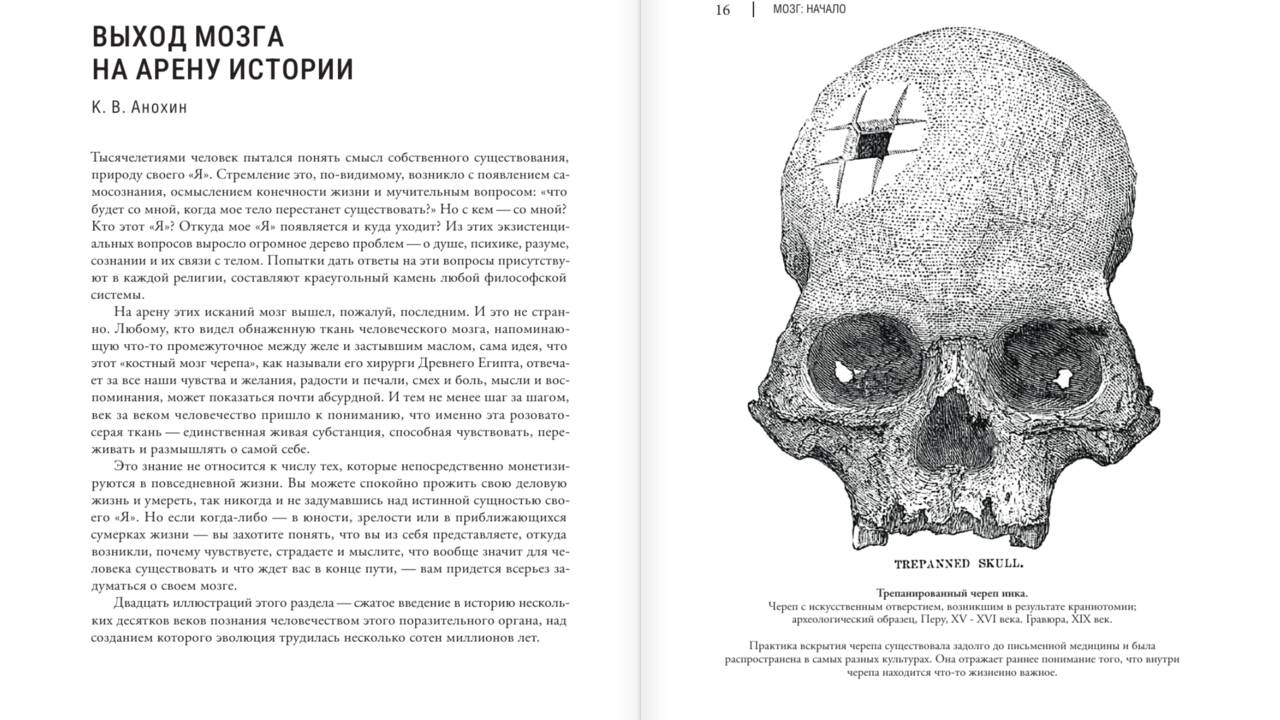
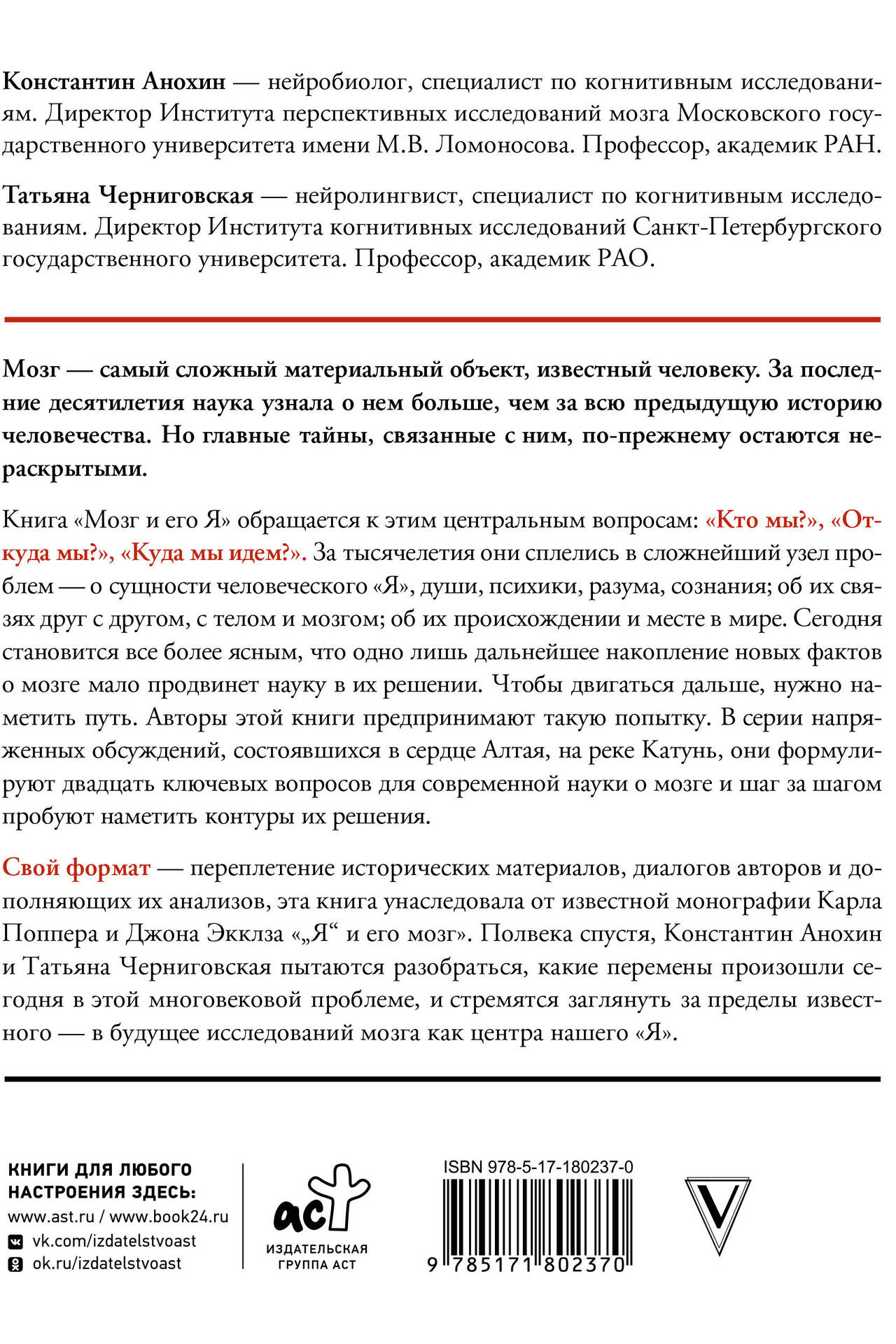
The brain is the most complex material object known to man. In recent decades, science has learned more about it than in the entire previous history of humanity. But the main mysteries associated with it remain unsolved.
The book "The Brain and Its Self" addresses the central questions: "Who are we?", "Where do we come from?", "Where are we going?" Over millennia, these questions have intertwined to form a complex web of problems—about the essence of the human self, soul, psyche, mind, and consciousness; about their connections to each other, to the body and brain; about their origins and place in the world.
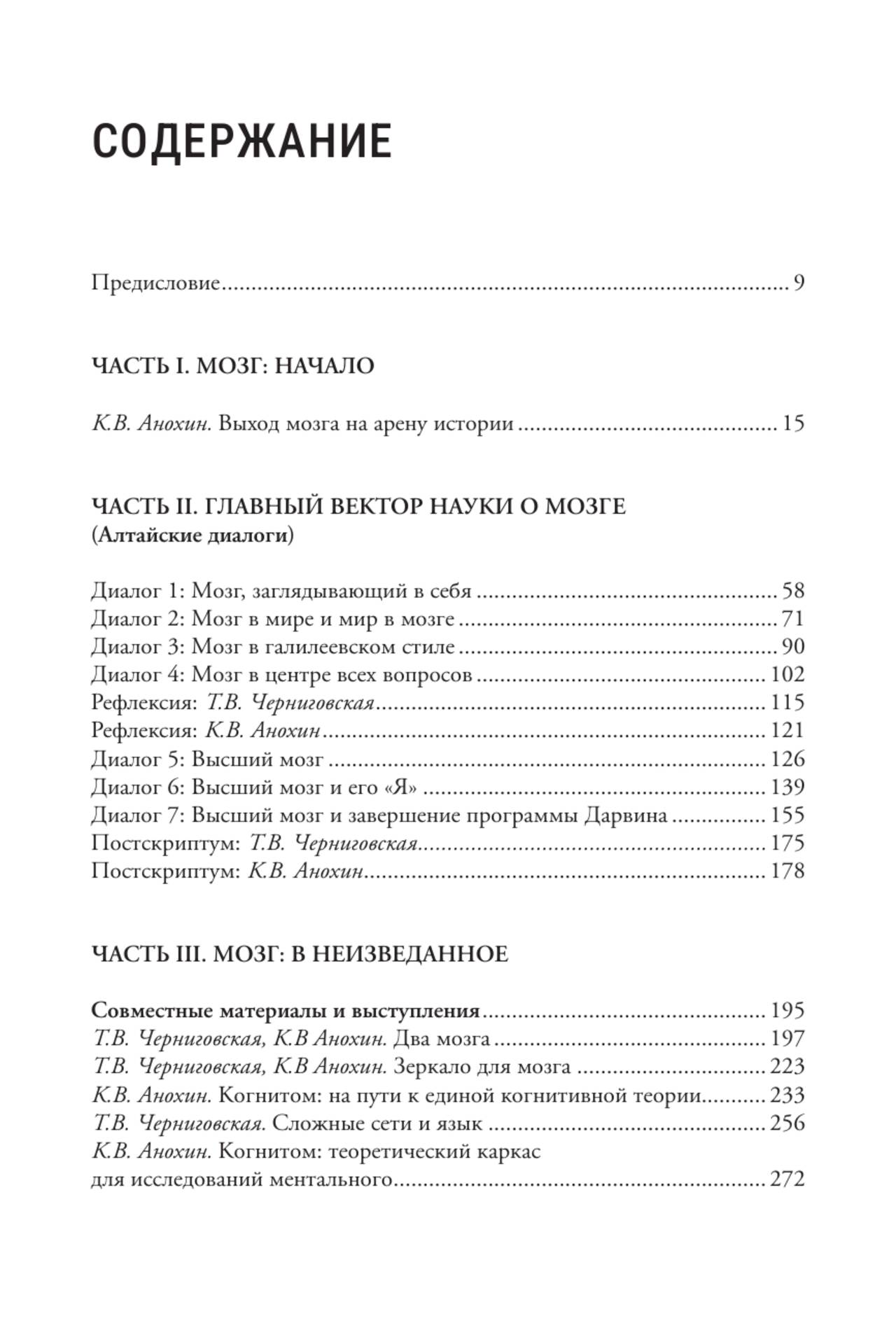
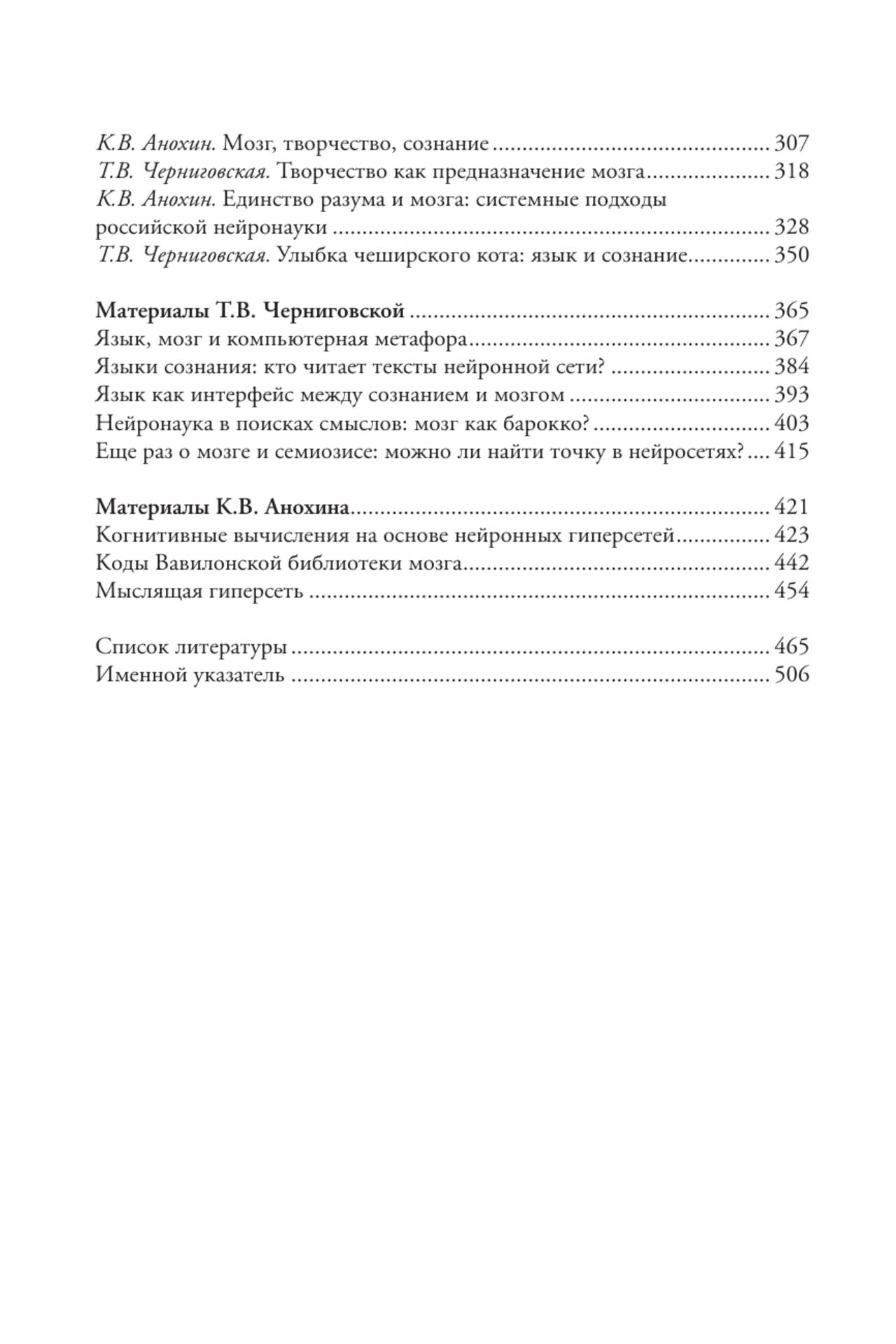
Today, it is becoming increasingly clear that merely accumulating new facts about the brain will advance science little in resolving these questions. To move forward, a path must be charted. The authors of this book undertake such an attempt. In a series of intense discussions held in the heart of Altai, on the Katun River, they formulate twenty key questions in modern brain science and, step by step, attempt to outline the contours of their solutions.
The book's format—an interweaving of historical materials, dialogues between the authors, and complementary analyses—inherits from the renowned monograph "The Self and Its Brain" by Karl Popper and John Eccles. Half a century later, Konstantin Anokhin and Tatyana Chernigovskaya attempt to understand the changes that have occurred today in this centuries-old problem and strive to look beyond the known—to the future of research into the brain as the center of our self.
Tatyana Chernigovskaya is a neurolinguist, cognitive scientist, director of the Institute for Cognitive Research at St. Petersburg State University, professor, and academician of the Russian Academy of Education.
The brain is the most complex material object known to man. In recent decades, science has learned more about it than in the entire previous history of humanity. But the main mysteries associated with it remain unsolved.
The book "The Brain and Its Self" addresses the central questions: "Who are we?", "Where do we come from?", "Where are we going?" Over millennia, these questions have intertwined to form a complex web of problems—about the essence of the human self, soul, psyche, mind, and consciousness; about their connections to each other, to the body and brain; about their origins and place in the world.
Today, it is becoming increasingly clear that merely accumulating new facts about the brain will advance science little in resolving these questions. To move forward, a path must be charted. The authors of this book undertake such an attempt. In a series of intense discussions held in the heart of Altai, on the Katun River, they formulate twenty key questions in modern brain science and, step by step, attempt to outline the contours of their solutions.
The book's format—an interweaving of historical materials, dialogues between the authors, and complementary analyses—inherits from the renowned monograph "The Self and Its Brain" by Karl Popper and John Eccles. Half a century later, Konstantin Anokhin and Tatyana Chernigovskaya attempt to understand the changes that have occurred today in this centuries-old problem and strive to look beyond the known—to the future of research into the brain as the center of our self.
See also:
- All books by the publisher
- All books by the author
- All books in the series Scientific panorama