


The Wisdom of Hope and Other Conversations about Dante
14.99 €
Out of stock
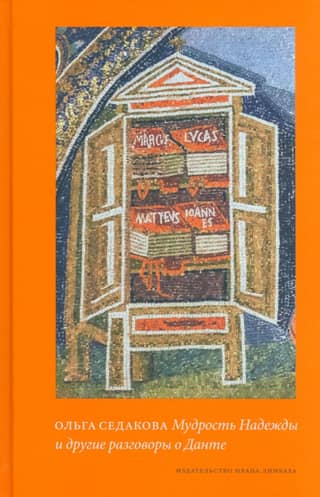
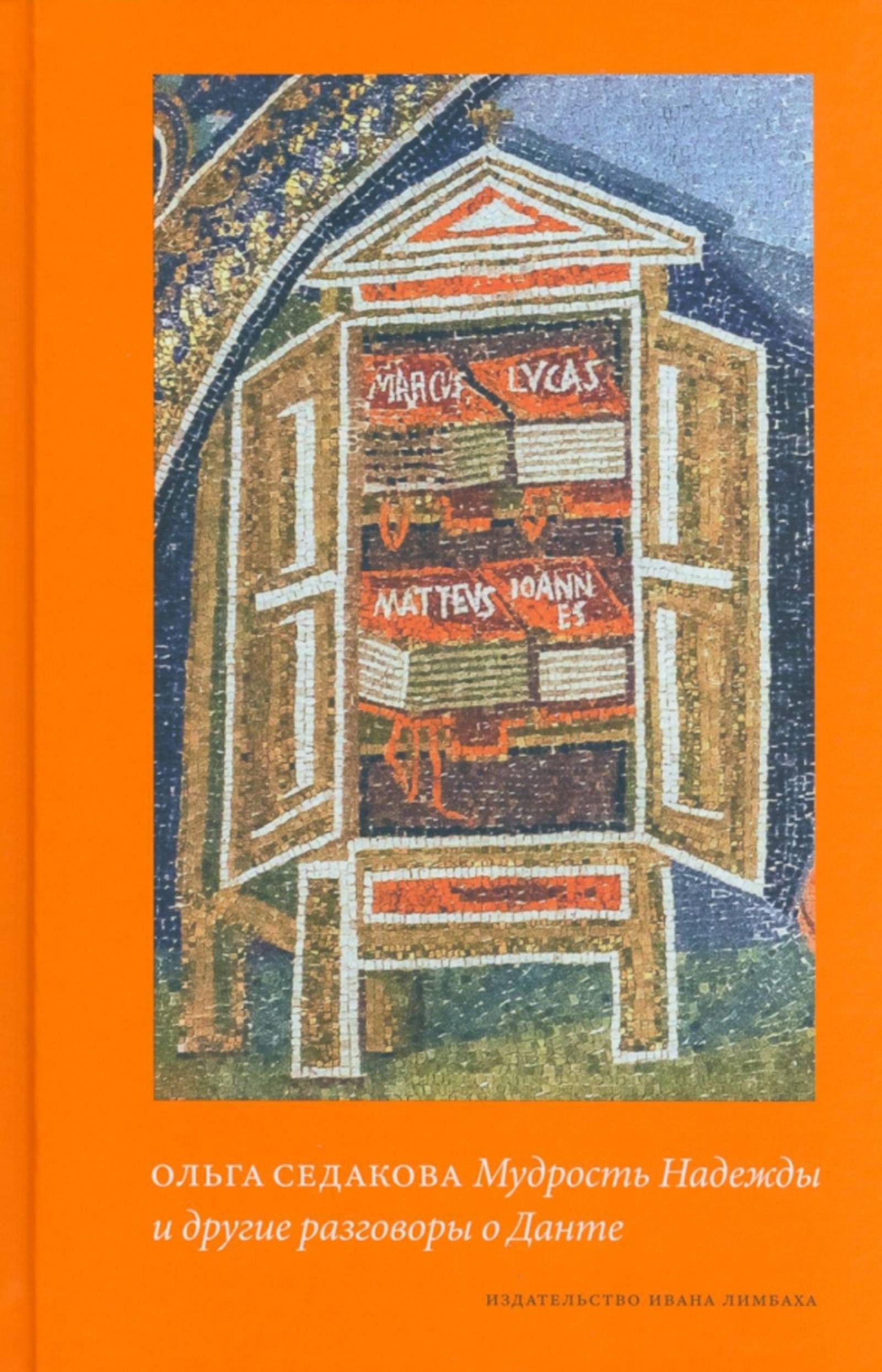
The Wisdom of Hope and Other Conversations about Dante
14.99 €
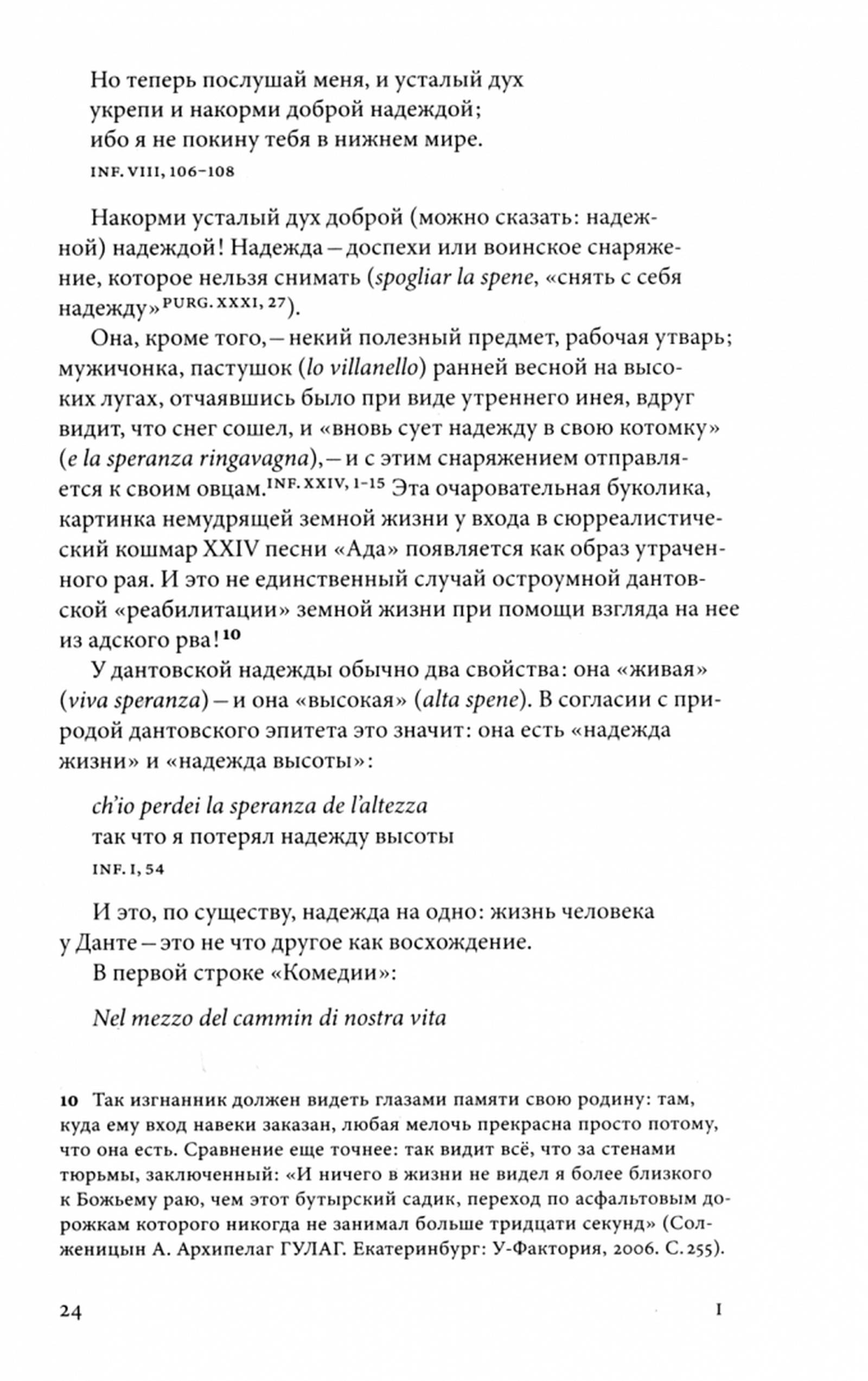
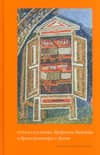
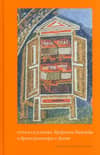
Olga Sedakova's book, "The Wisdom of Hope and Other Conversations about Dante," continues her book, "Translating Dante" (2020). However, it no longer addresses the issue of translating Dante into Russian, but rather discusses his "innate and insatiable thirst for understanding," Dante the thinker and poet-theologian.
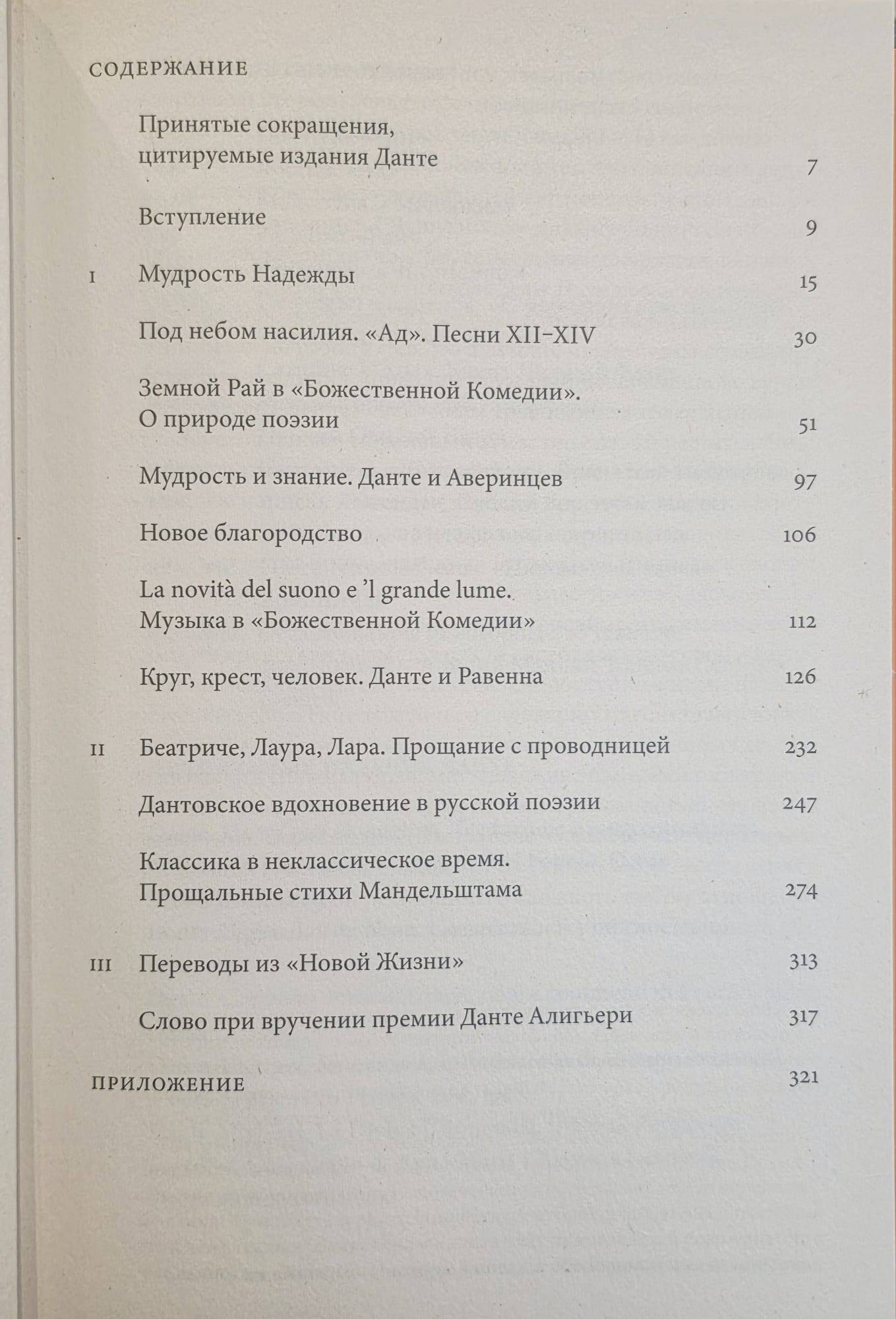
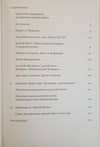
The book is divided into three parts. The first section contains works directly related to the Divine Comedy. Of particular note is the essay "Circle, Cross, Man," published for the first time, dedicated to Dante of Ravenna and his anthropology, which is unexpectedly resonant with early Christian thought. The second section includes works on Dante's Italian context and his presence in Russian poetry. The third, short section, includes translations of excerpts from the New Life and returns us to the beginning of Dante's journey. All translations from Italian and other languages were done by the author. Almost all of the essays included in the book are being published either for the first time in Russian, or for the first time ever.
Incorporating the experiences of many readers and researchers—dentologists, poets, philosophers, theologians—Sedakova's book presents a deeply personal and, in many ways, unexpected reading of the Divine Comedy. In dialogue with such a grand and provocative interlocutor as Dante, the author highlights themes that are important to her as a poet, philologist, and thinker: hope and will, wisdom and reason, geometry and flesh, creation and freedom.
"Beauty is not only the last, final word of Dante's image of the world. It is its initial word. Beauty precedes Dante's very first poetic word. Beauty compels him to begin speaking ("to make footnotes" to the book of his life) and to make a great promise: to create something in its honor that no one has ever created before." Everything in his life begins with an epiphany of beauty: the "new miracle" of young Beatrice, her appearance, which sooner and forever brought the red color of martyrdom, the color of new life, into Dante's life.
And then—the world's only narrative voyage under the wind of Minerva." (Olga Sedakova)
The book is divided into three parts. The first section contains works directly related to the Divine Comedy. Of particular note is the essay "Circle, Cross, Man," published for the first time, dedicated to Dante of Ravenna and his anthropology, which is unexpectedly resonant with early Christian thought. The second section includes works on Dante's Italian context and his presence in Russian poetry. The third, short section, includes translations of excerpts from the New Life and returns us to the beginning of Dante's journey. All translations from Italian and other languages were done by the author. Almost all of the essays included in the book are being published either for the first time in Russian, or for the first time ever.
Incorporating the experiences of many readers and researchers—dentologists, poets, philosophers, theologians—Sedakova's book presents a deeply personal and, in many ways, unexpected reading of the Divine Comedy. In dialogue with such a grand and provocative interlocutor as Dante, the author highlights themes that are important to her as a poet, philologist, and thinker: hope and will, wisdom and reason, geometry and flesh, creation and freedom.
"Beauty is not only the last, final word of Dante's image of the world. It is its initial word. Beauty precedes Dante's very first poetic word. Beauty compels him to begin speaking ("to make footnotes" to the book of his life) and to make a great promise: to create something in its honor that no one has ever created before." Everything in his life begins with an epiphany of beauty: the "new miracle" of young Beatrice, her appearance, which sooner and forever brought the red color of martyrdom, the color of new life, into Dante's life.
And then—the world's only narrative voyage under the wind of Minerva." (Olga Sedakova)
See also:
- All books by the publisher
- All books by the author