


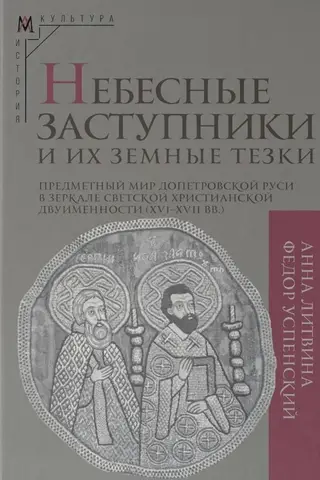
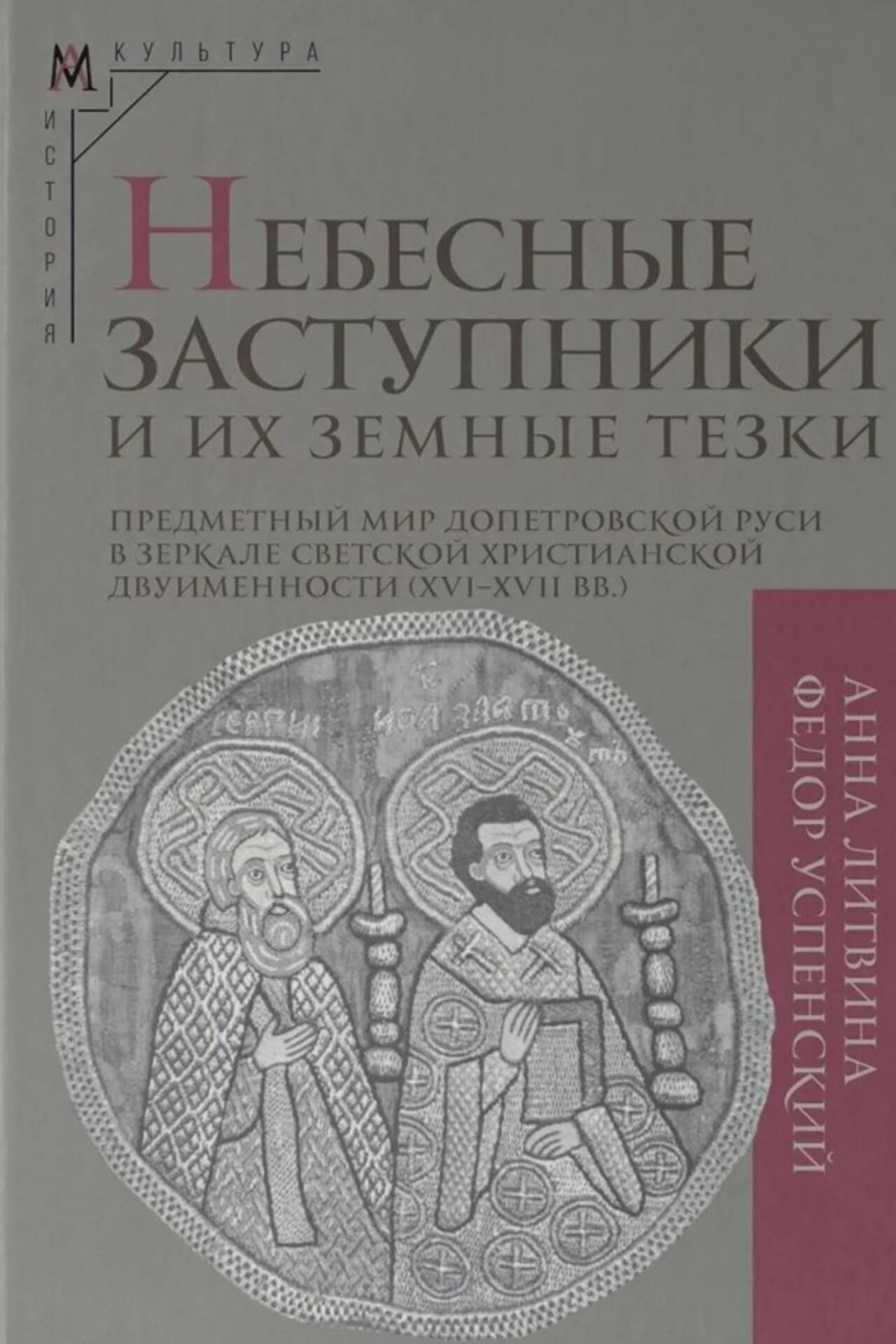


Heavenly intercessors and their earthly namesakes
39.99 €
31.99 €
In stock

Heavenly intercessors and their earthly namesakes
39.99 €
31.99 €
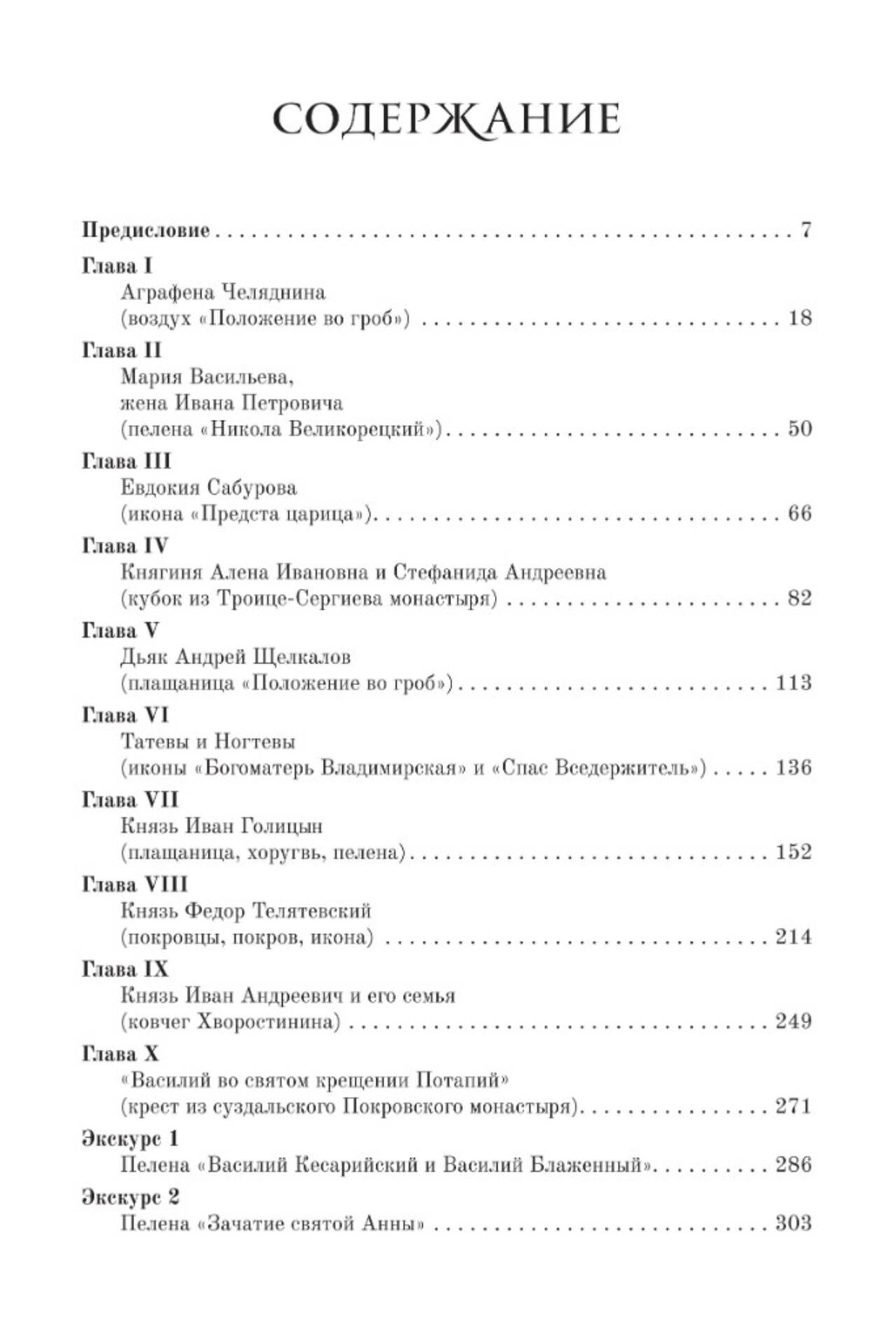
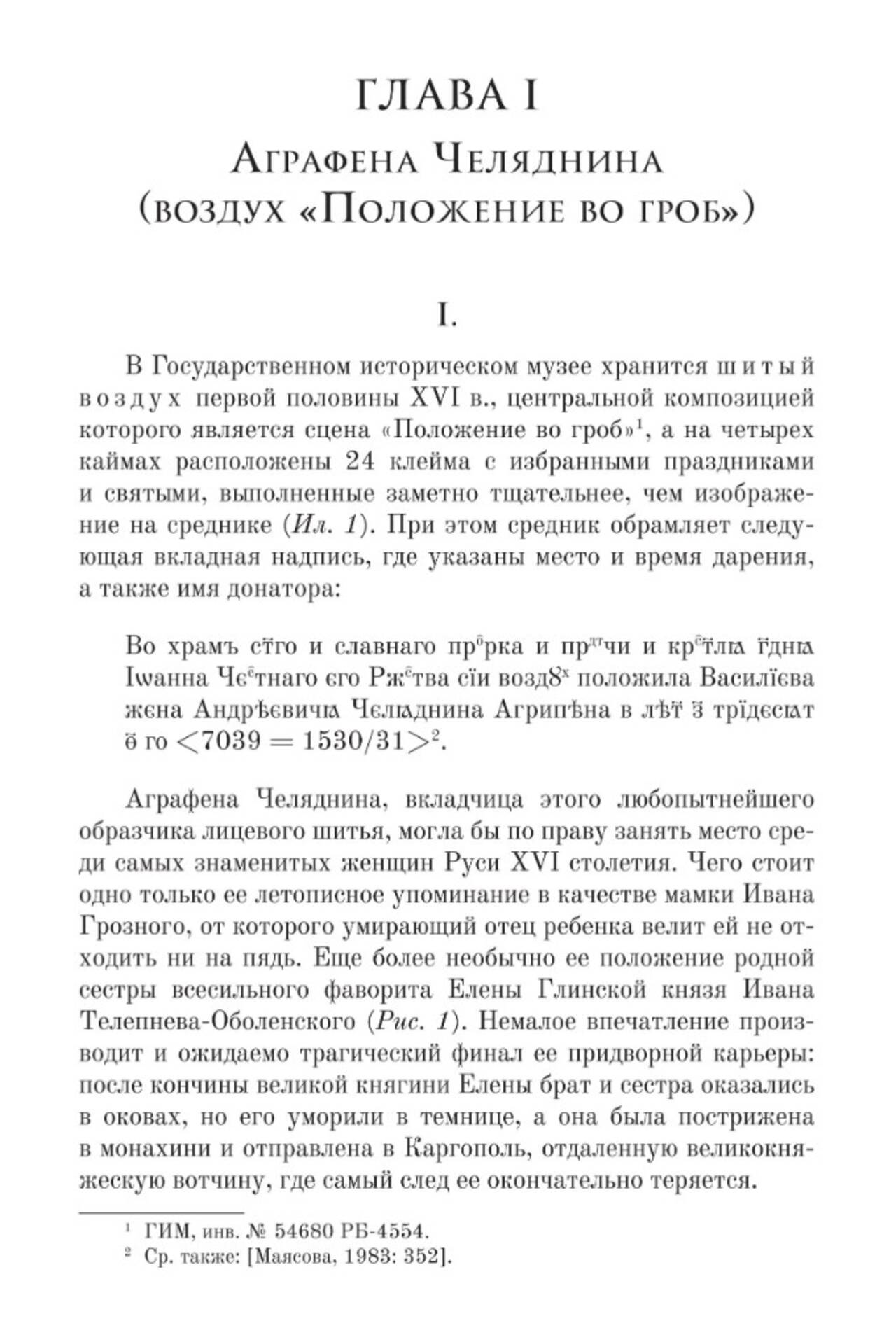
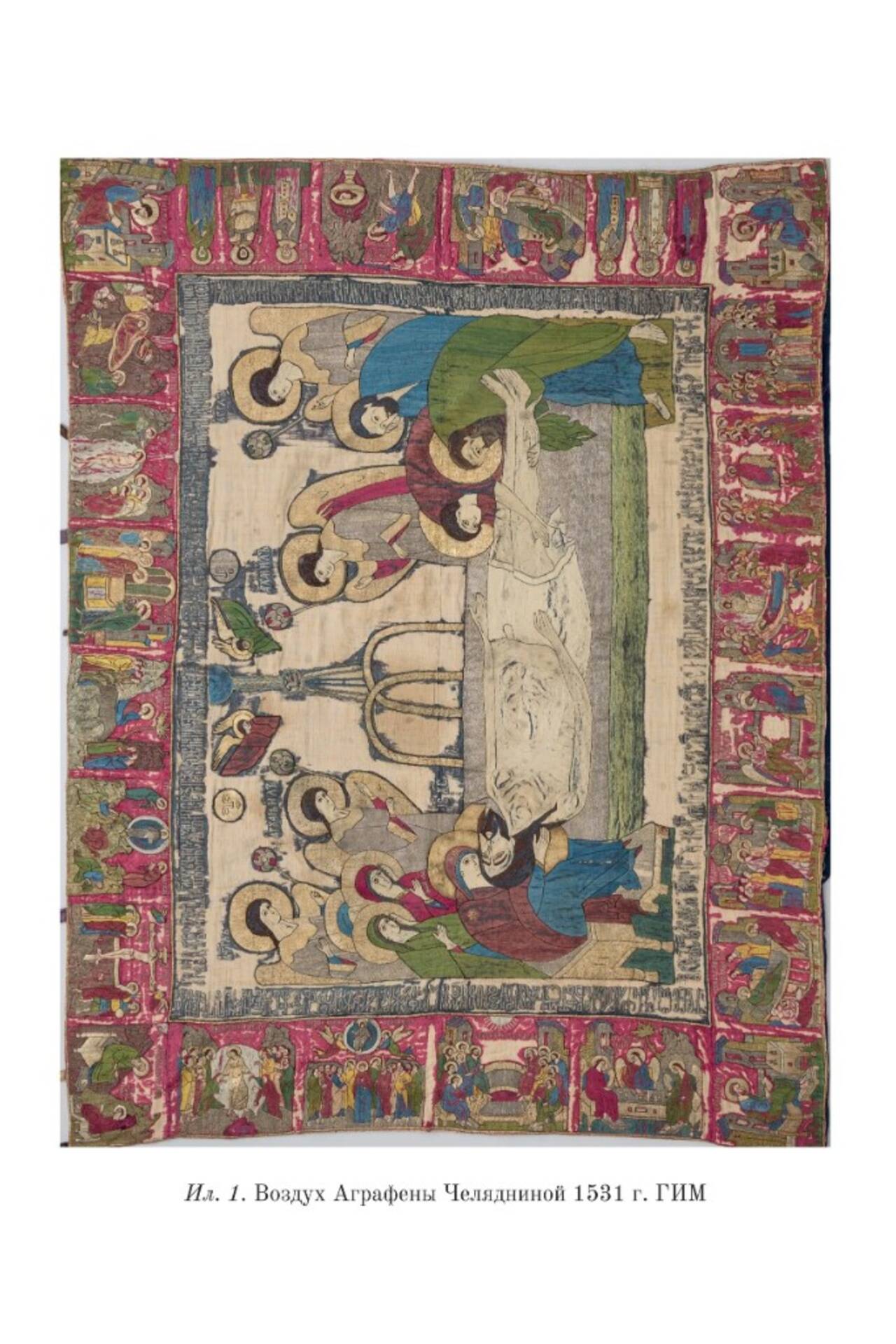
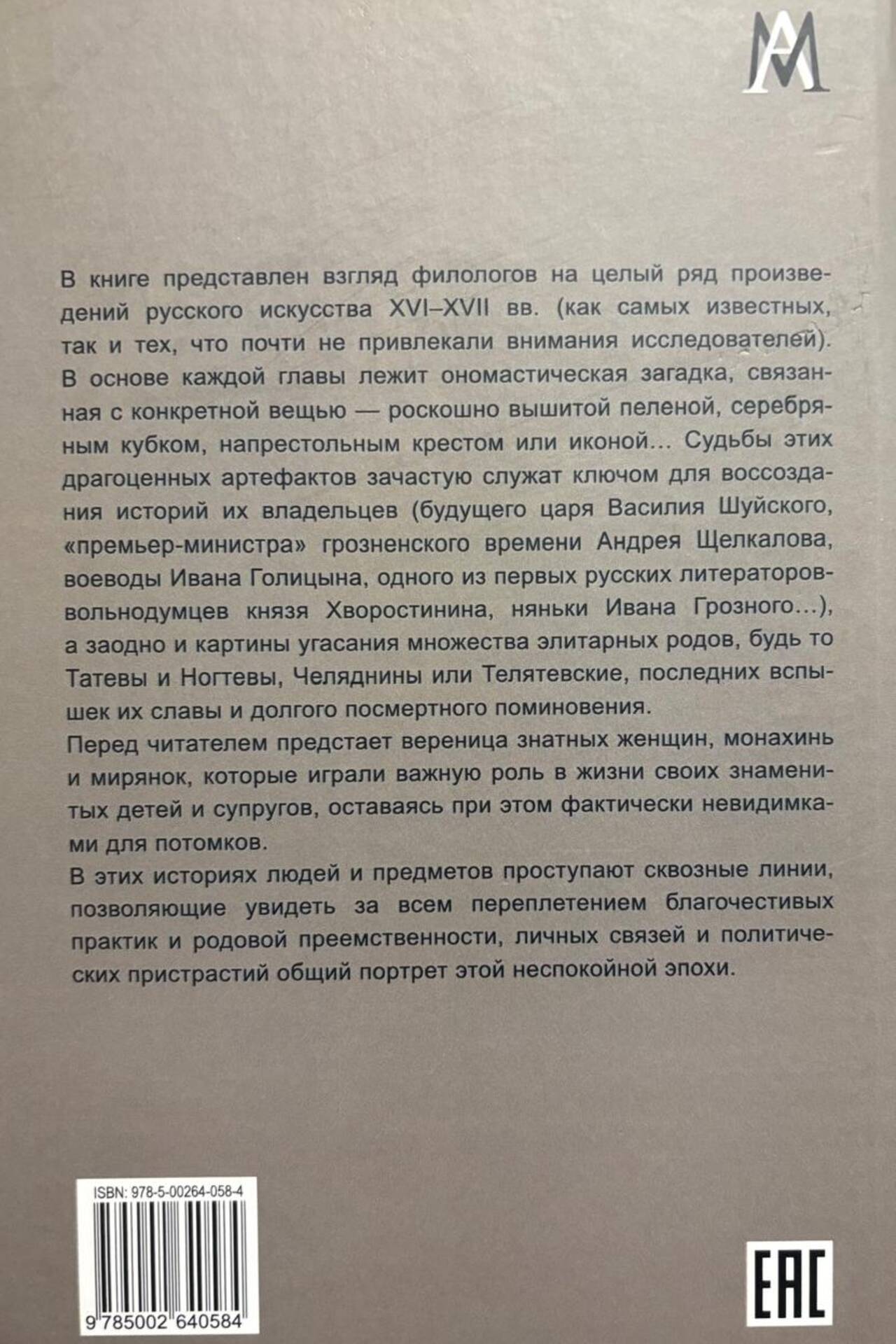
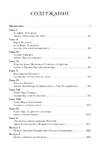
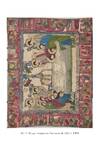
The book presents philologists' perspectives on a wide range of works of Russian art from the 16th and 17th centuries (both the most famous and those that have received little attention from scholars). Each chapter is based on an onomastic riddle associated with a specific object—a luxuriously embroidered shroud, a silver cup, an altar cross, or an icon. The fates of these precious artifacts often serve as a key to reconstructing the stories of their owners (the future Tsar Vasily Shuisky, the "prime minister" of the time of Grozny, Andrei Shchelkalov, the voivode Ivan Golitsyn, one of the first Russian freethinking writers, Prince Khvorostinin, Ivan the Terrible's nanny...), as well as pictures of the decline of many elite families, be they the Tatevs and Nogtevs, the Chelyadnins or the Telyatevskys, their final flashes of glory, and their long posthumous commemoration.
The reader is presented with a series of noble women, nuns, and laywomen who played important roles in the lives of their famous children and spouses, while remaining virtually invisible to posterity.
These stories of people and objects reveal underlying themes, allowing us to discern, beneath the interweaving of pious practices and family lineage, personal connections and political allegiances, a broader portrait of this turbulent era.
The book is intended for students, teachers, and researchers in the disciplines of history, art history, and philology, as well as for those interested in the history of Russian culture in the 16th and 17th centuries.
The reader is presented with a series of noble women, nuns, and laywomen who played important roles in the lives of their famous children and spouses, while remaining virtually invisible to posterity.
These stories of people and objects reveal underlying themes, allowing us to discern, beneath the interweaving of pious practices and family lineage, personal connections and political allegiances, a broader portrait of this turbulent era.
The book is intended for students, teachers, and researchers in the disciplines of history, art history, and philology, as well as for those interested in the history of Russian culture in the 16th and 17th centuries.
See also:
- All books by the publisher
- All books by the author
- All books in the series Methods of Culture: History