

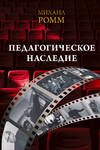
Pedagogical heritage
19.99 €
15.99 €
In stock

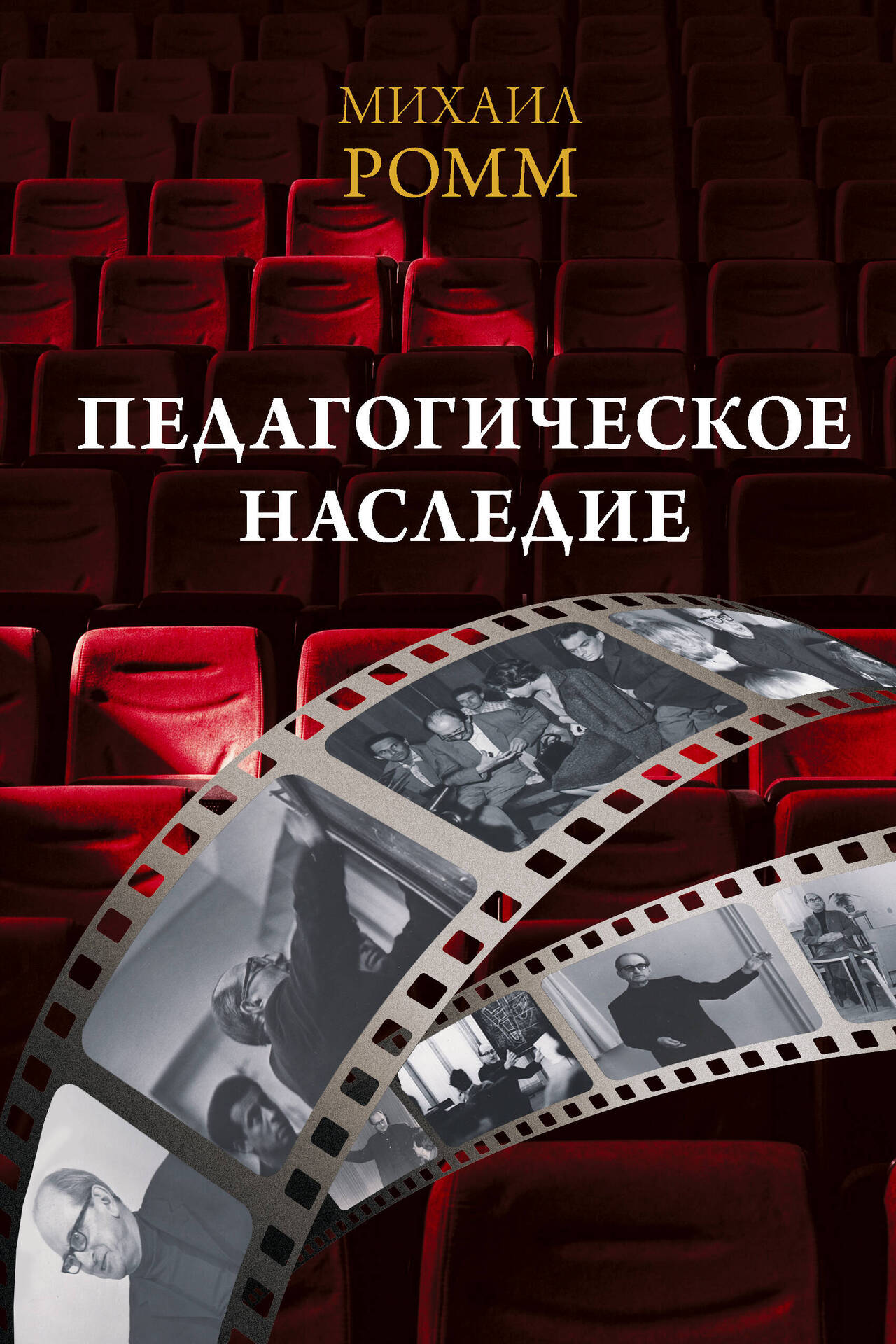
Pedagogical heritage
19.99 €
15.99 €
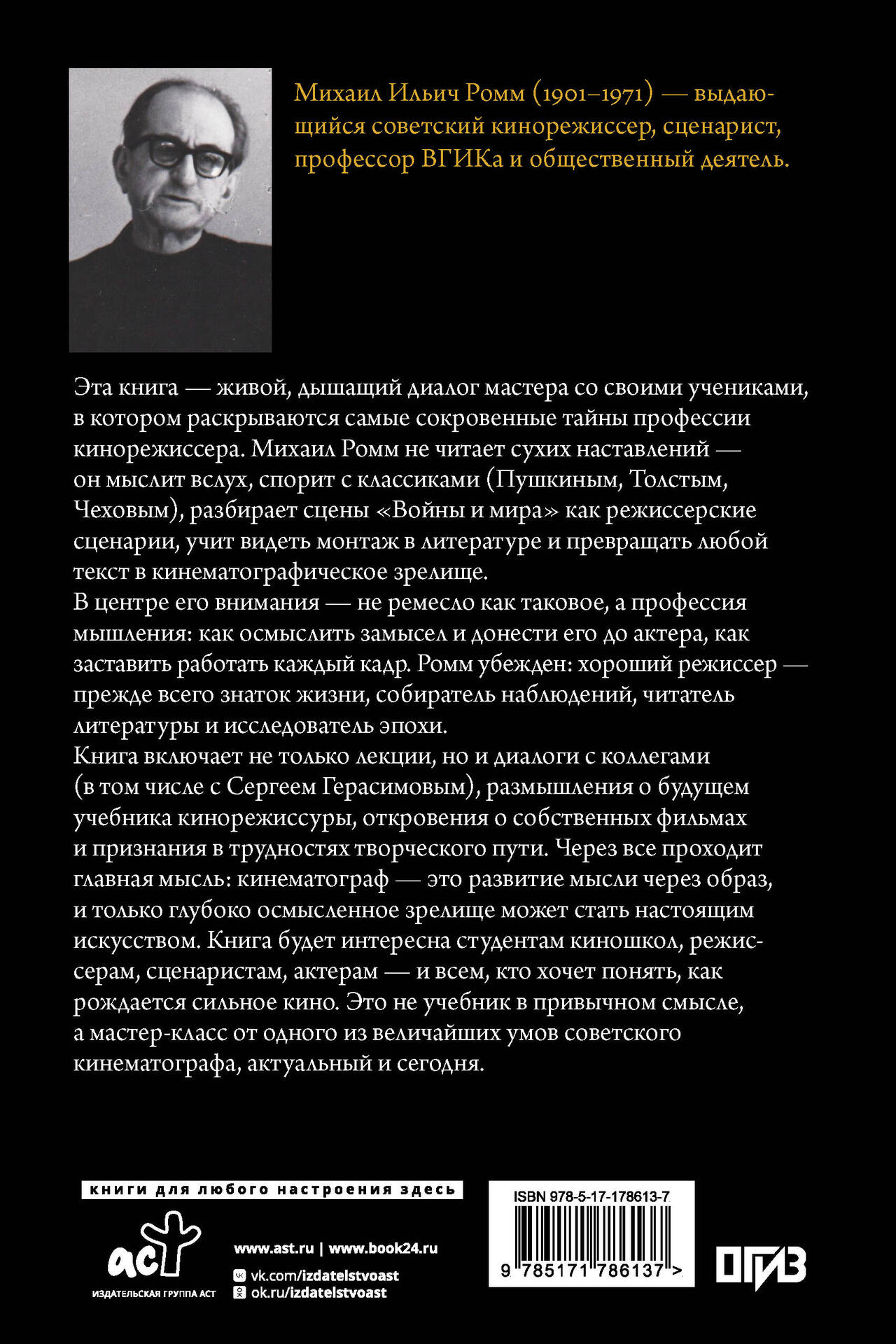
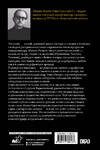
Mikhail Ilyich Romm (1901–1971) was a prominent Soviet film director, screenwriter, professor at the Gerasimov Institute of Cinematography (VGIK), and public figure.
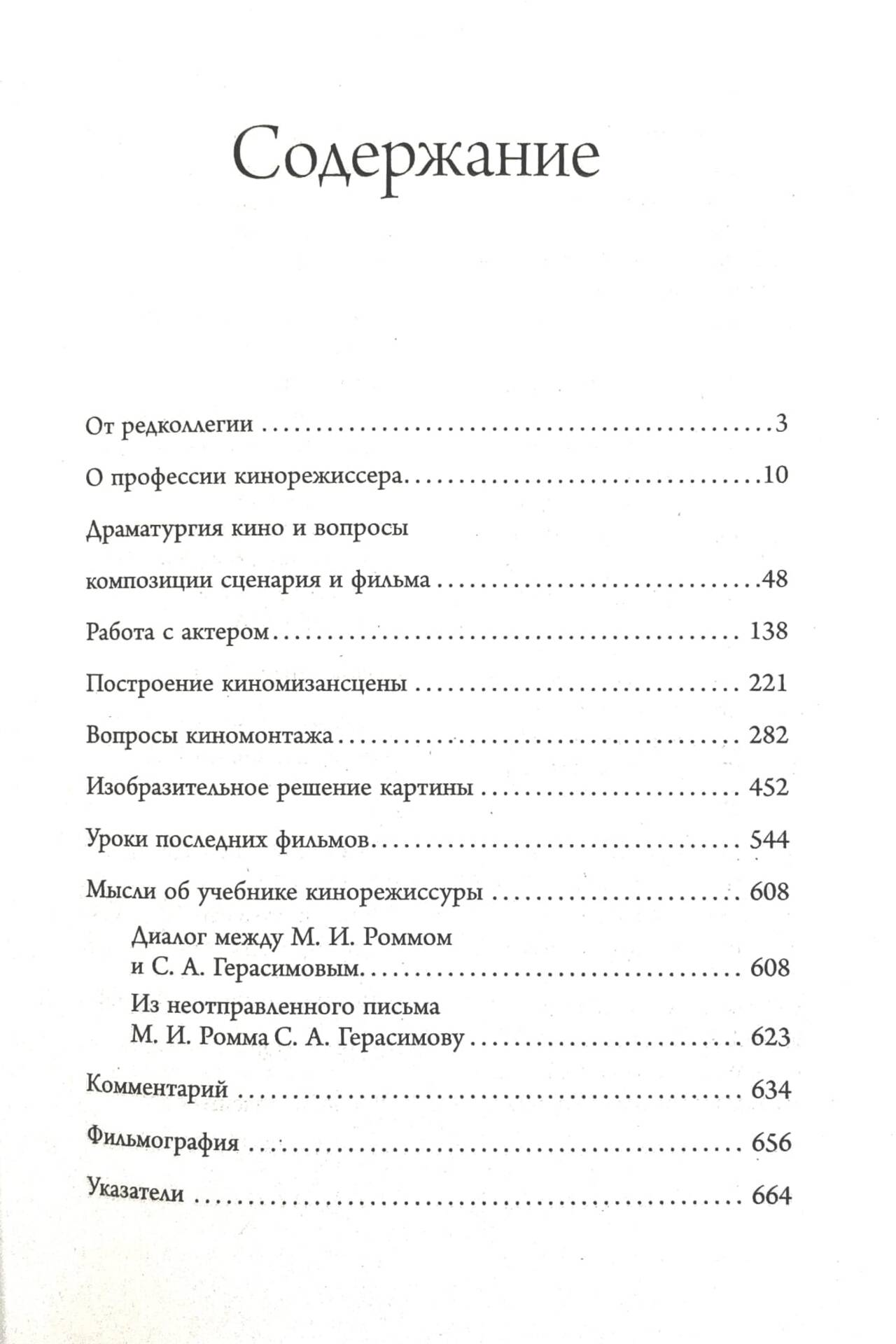
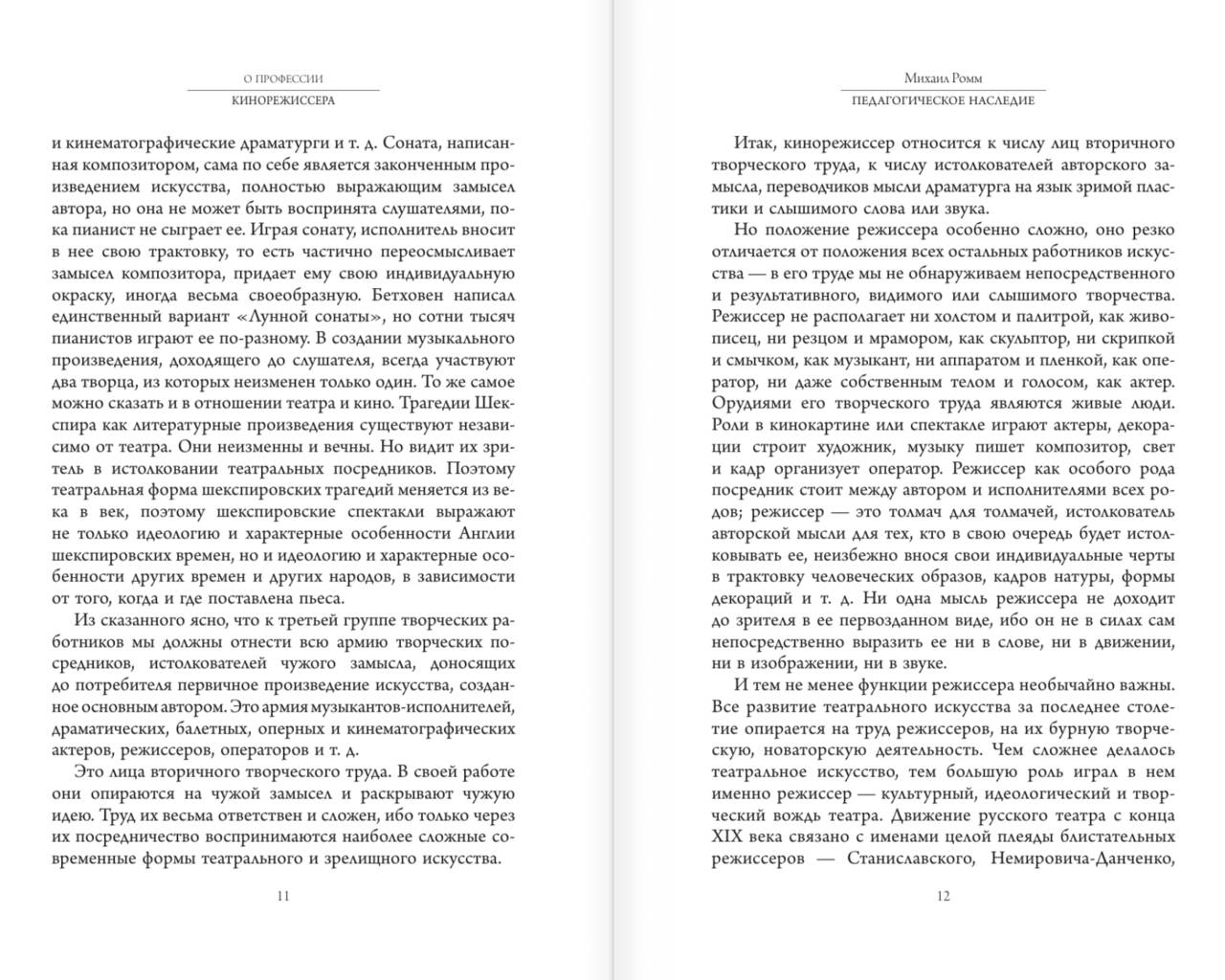
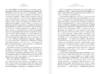
This book is a living, breathing dialogue between a master and his students, revealing the most intimate secrets of the film director's profession. Mikhail Romm doesn't dispense dry instructions—he thinks out loud, debates classics (Pushkin, Tolstoy, Chekhov), analyzes scenes from War and Peace as director's scripts, teaches how to see montage in literature and transform any text into a cinematic spectacle.
His focus is not on craft per se, but on the profession of thinking: how to comprehend a concept and convey it to an actor, how to make every shot work. Romm is convinced that a good director is, above all, an expert on life, a collector of observations, a reader of literature, and a researcher of the era.
The book includes not only lectures but also dialogues with colleagues (including Sergei Gerasimov), reflections on the future of film directing textbooks, revelations about his own films, and confessions about the difficulties of his creative journey. A central theme runs through everything: cinema is the development of thought through imagery, and only a deeply meaningful spectacle can become true art.
This publication will be of interest to film students, directors, screenwriters, actors—and anyone who wants to understand how powerful cinema is born. This is not a textbook in the traditional sense, but a master class from one of the greatest minds of Soviet cinema, one that remains relevant today.
This book is a living, breathing dialogue between a master and his students, revealing the most intimate secrets of the film director's profession. Mikhail Romm doesn't dispense dry instructions—he thinks out loud, debates classics (Pushkin, Tolstoy, Chekhov), analyzes scenes from War and Peace as director's scripts, teaches how to see montage in literature and transform any text into a cinematic spectacle.
His focus is not on craft per se, but on the profession of thinking: how to comprehend a concept and convey it to an actor, how to make every shot work. Romm is convinced that a good director is, above all, an expert on life, a collector of observations, a reader of literature, and a researcher of the era.
The book includes not only lectures but also dialogues with colleagues (including Sergei Gerasimov), reflections on the future of film directing textbooks, revelations about his own films, and confessions about the difficulties of his creative journey. A central theme runs through everything: cinema is the development of thought through imagery, and only a deeply meaningful spectacle can become true art.
This publication will be of interest to film students, directors, screenwriters, actors—and anyone who wants to understand how powerful cinema is born. This is not a textbook in the traditional sense, but a master class from one of the greatest minds of Soviet cinema, one that remains relevant today.
See also:
- All books by the publisher
- All books by the author
- All books in the series Theatrical experiments