


A Praise of Stupidity

A Praise of Stupidity
9.99 €
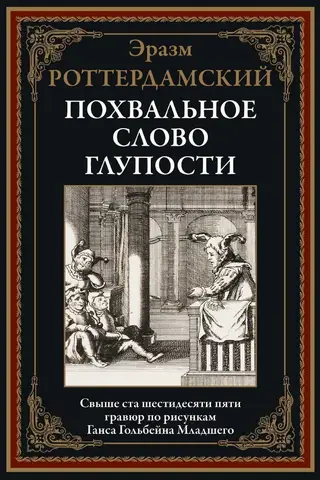
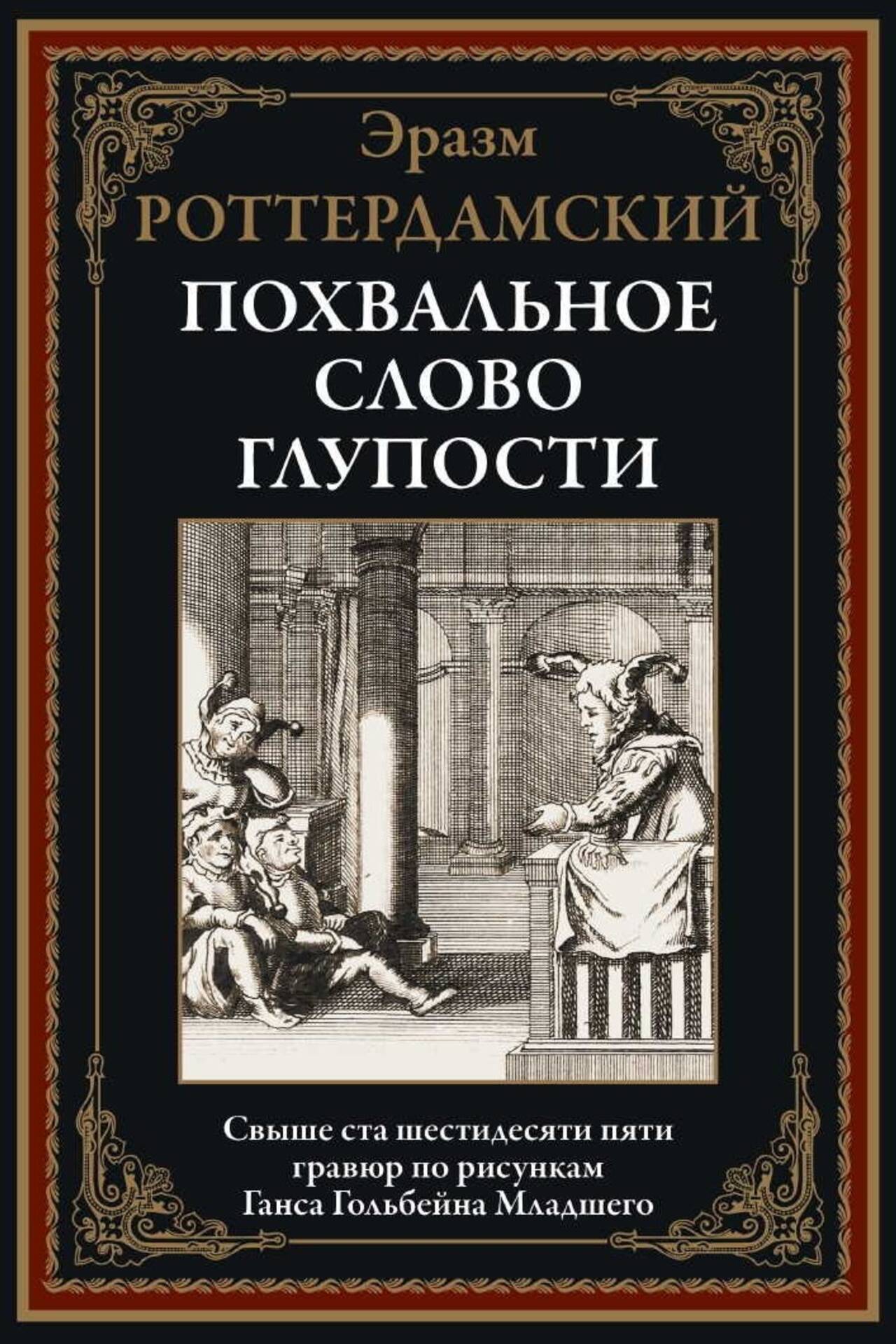
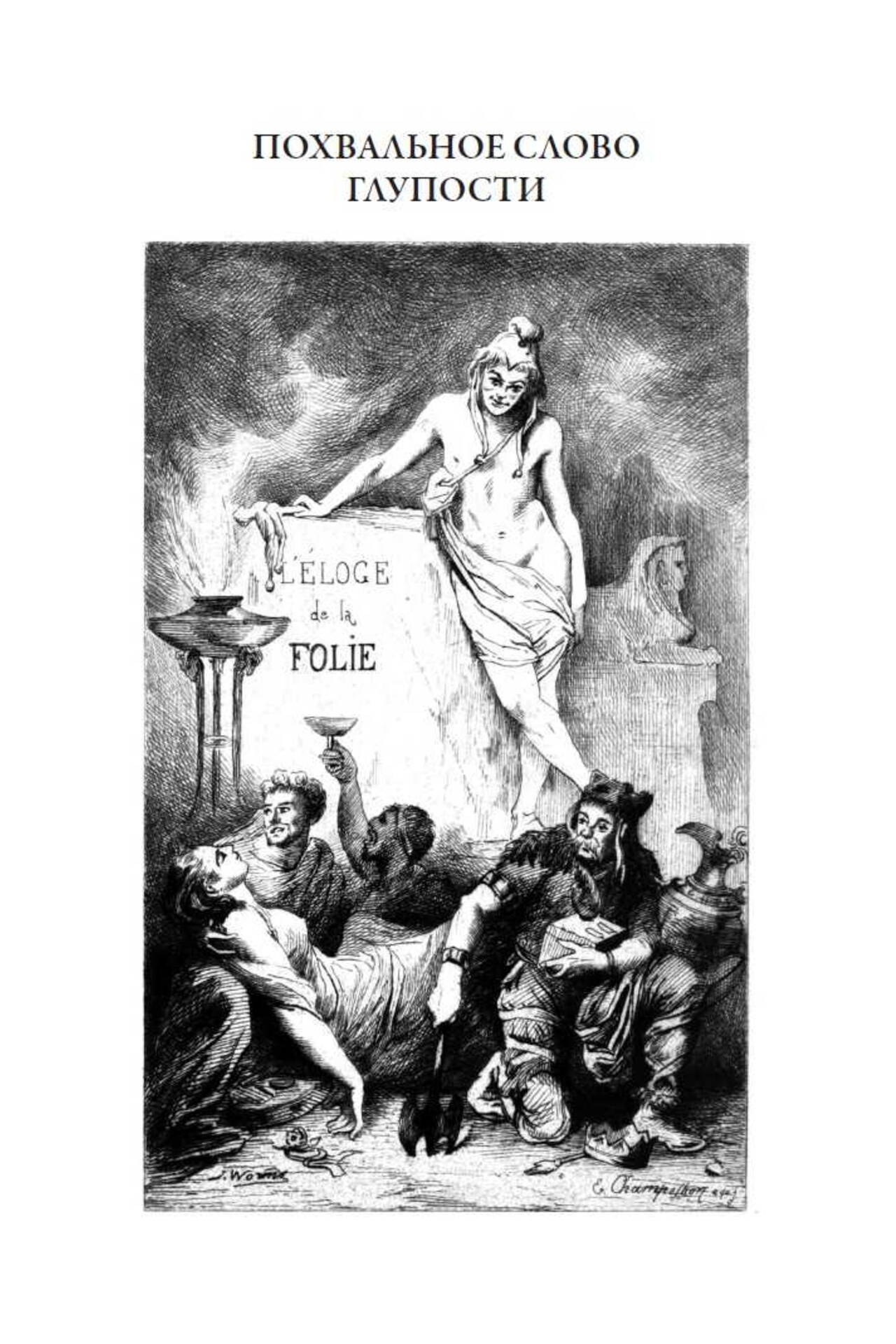
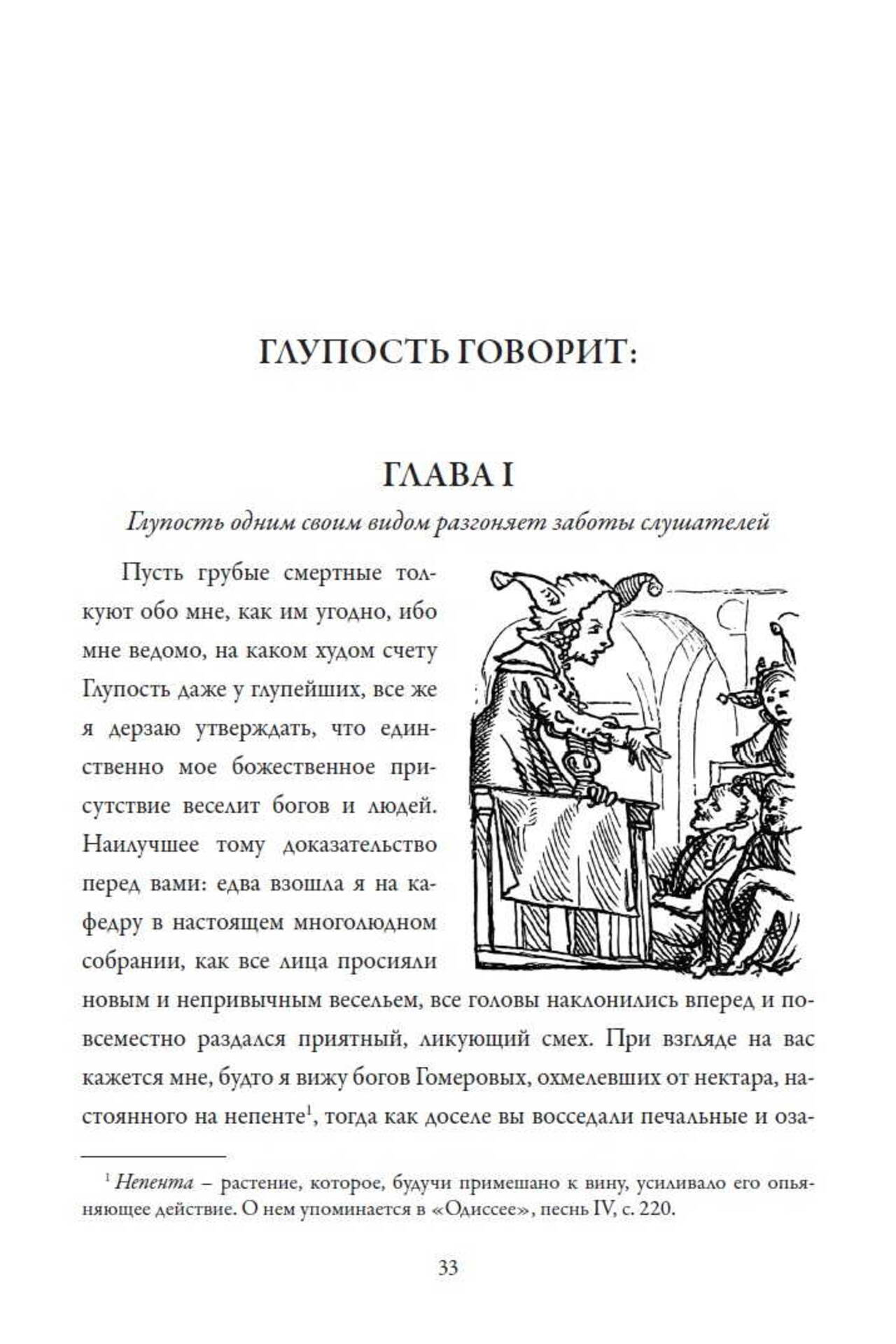
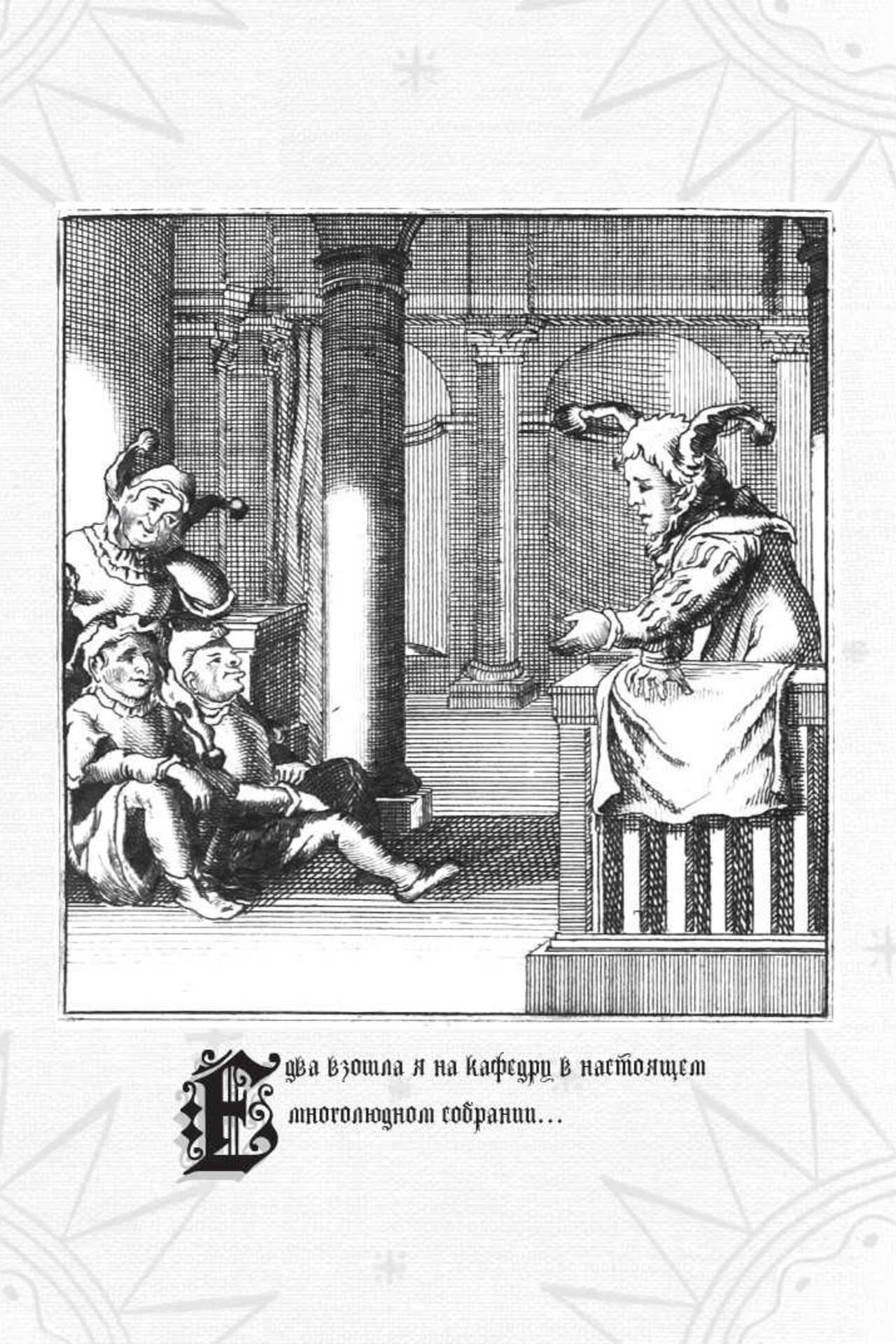
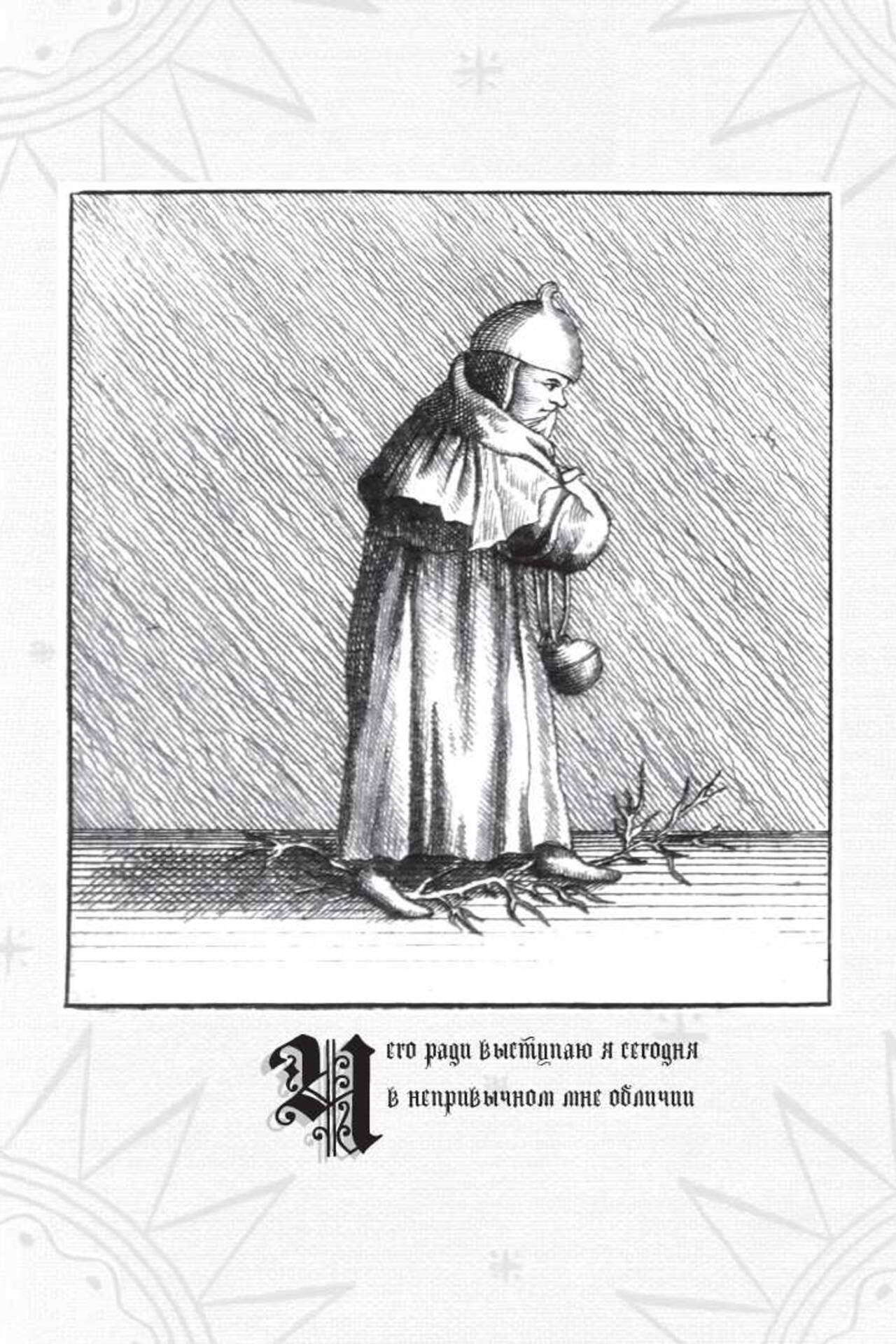
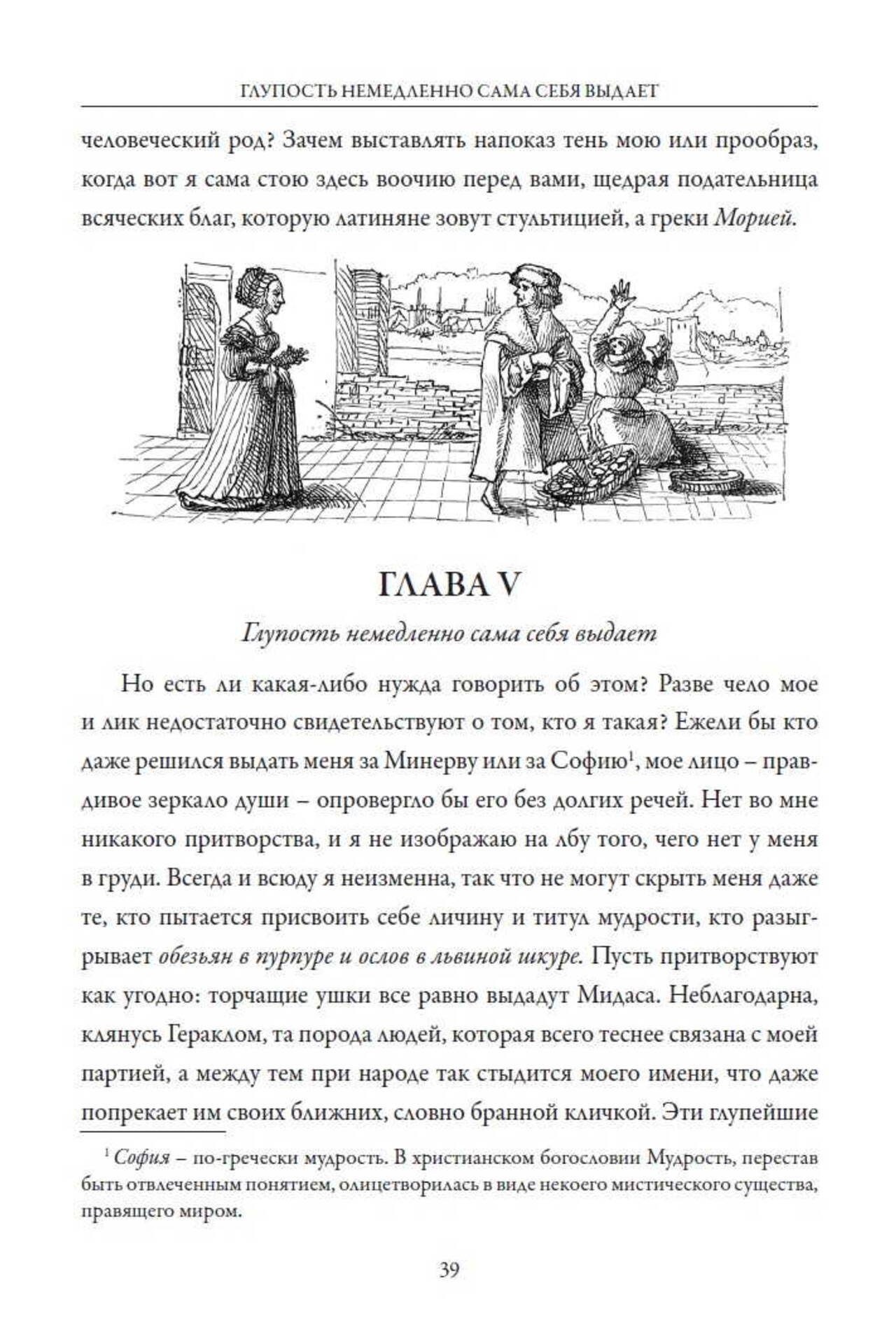
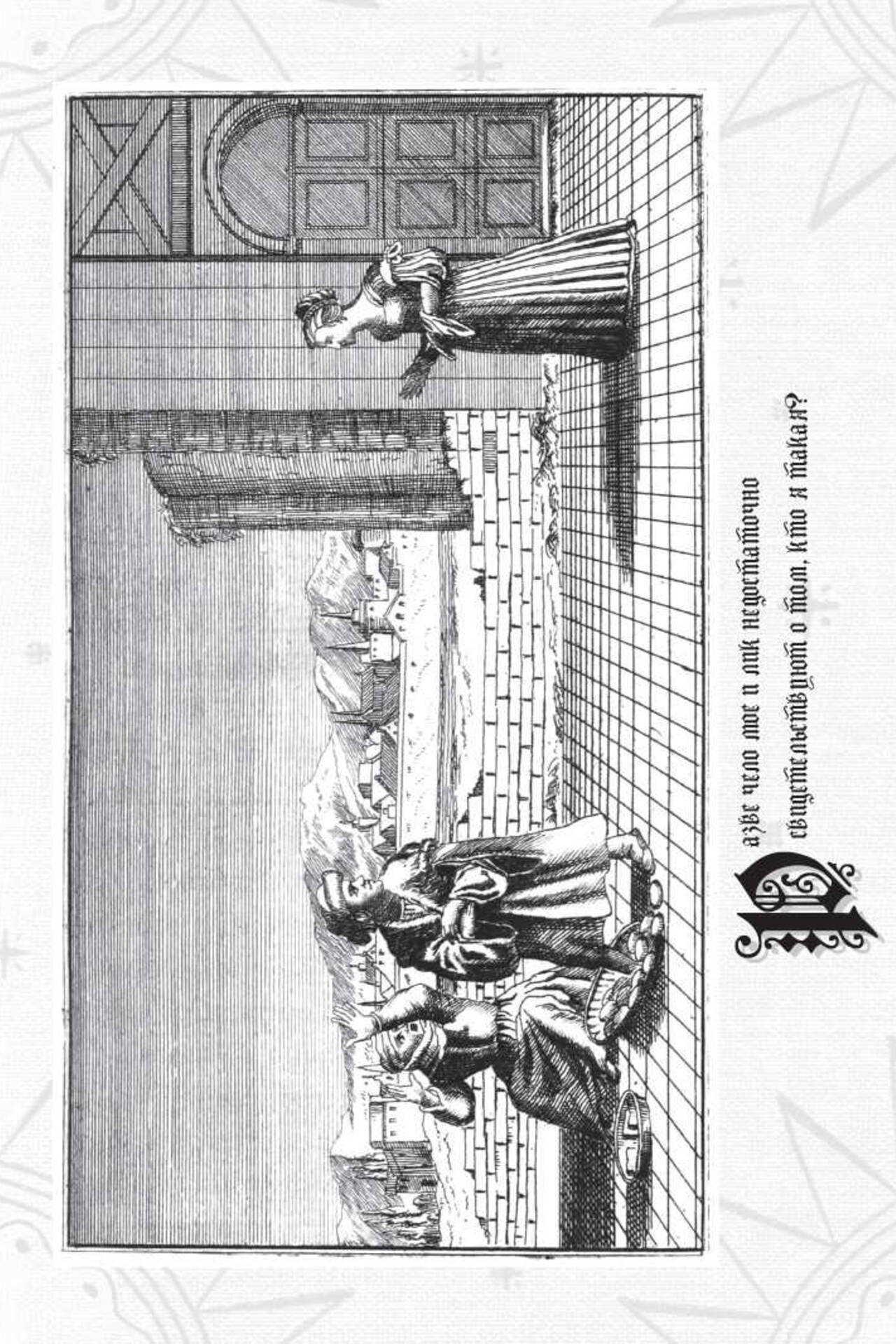
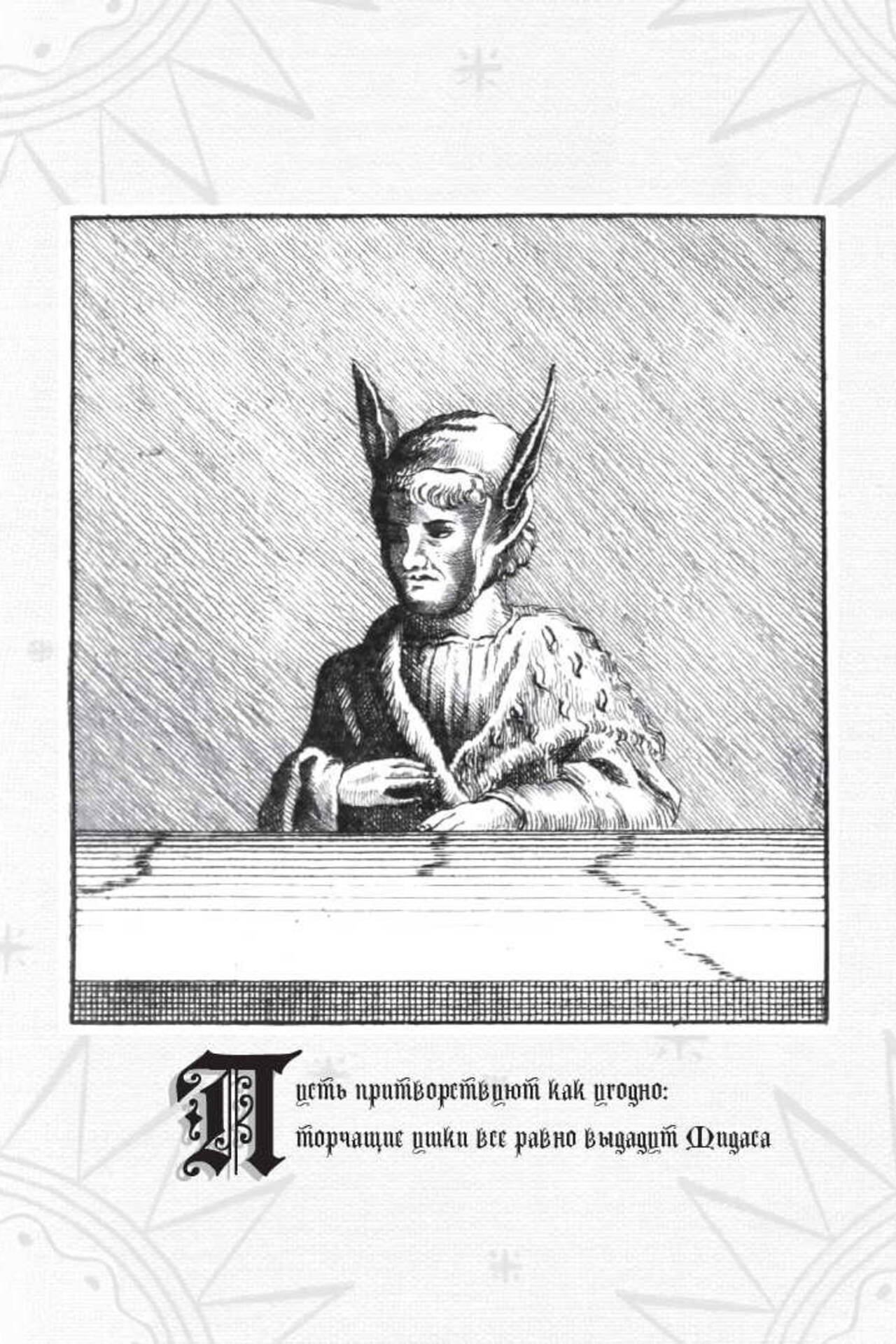
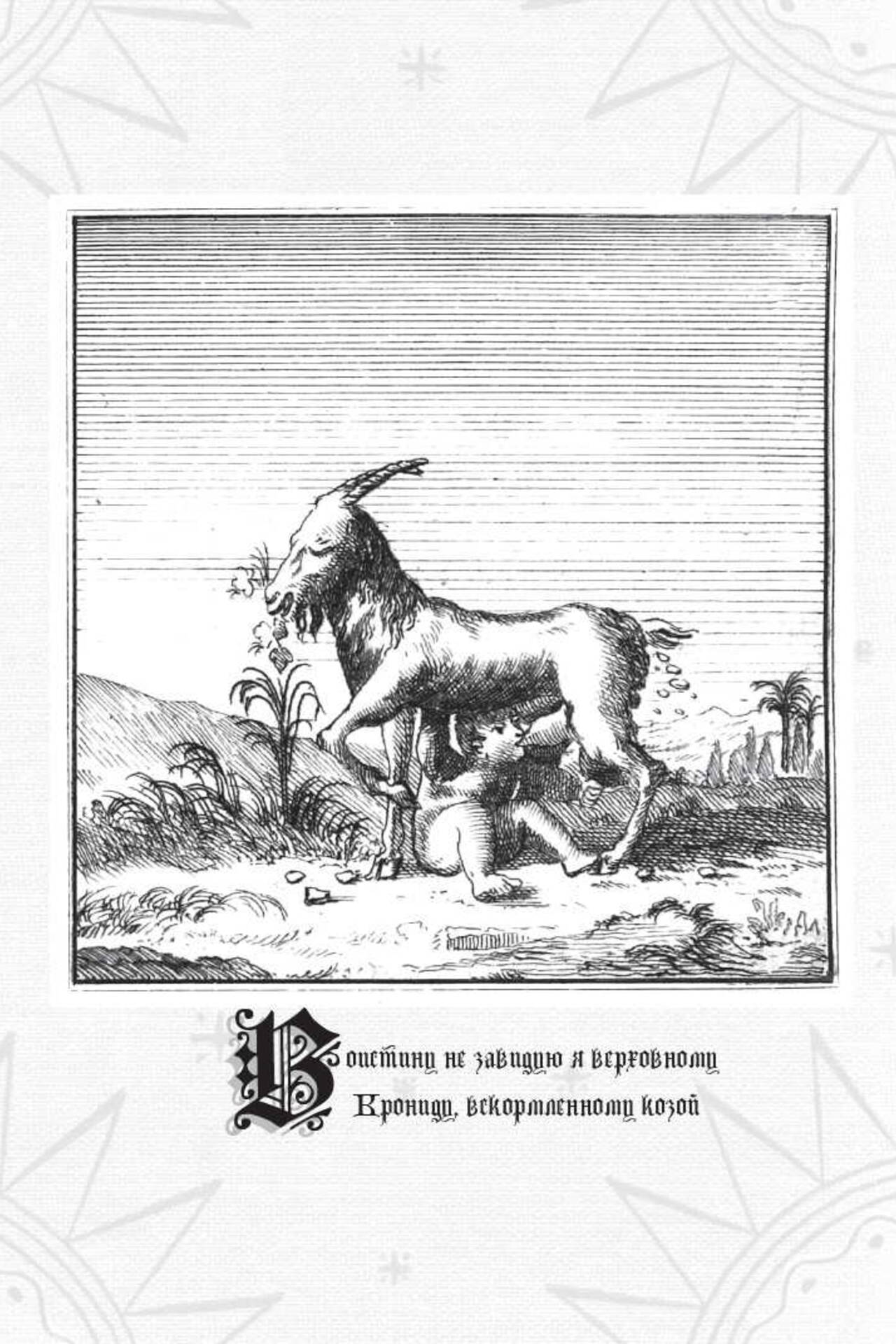
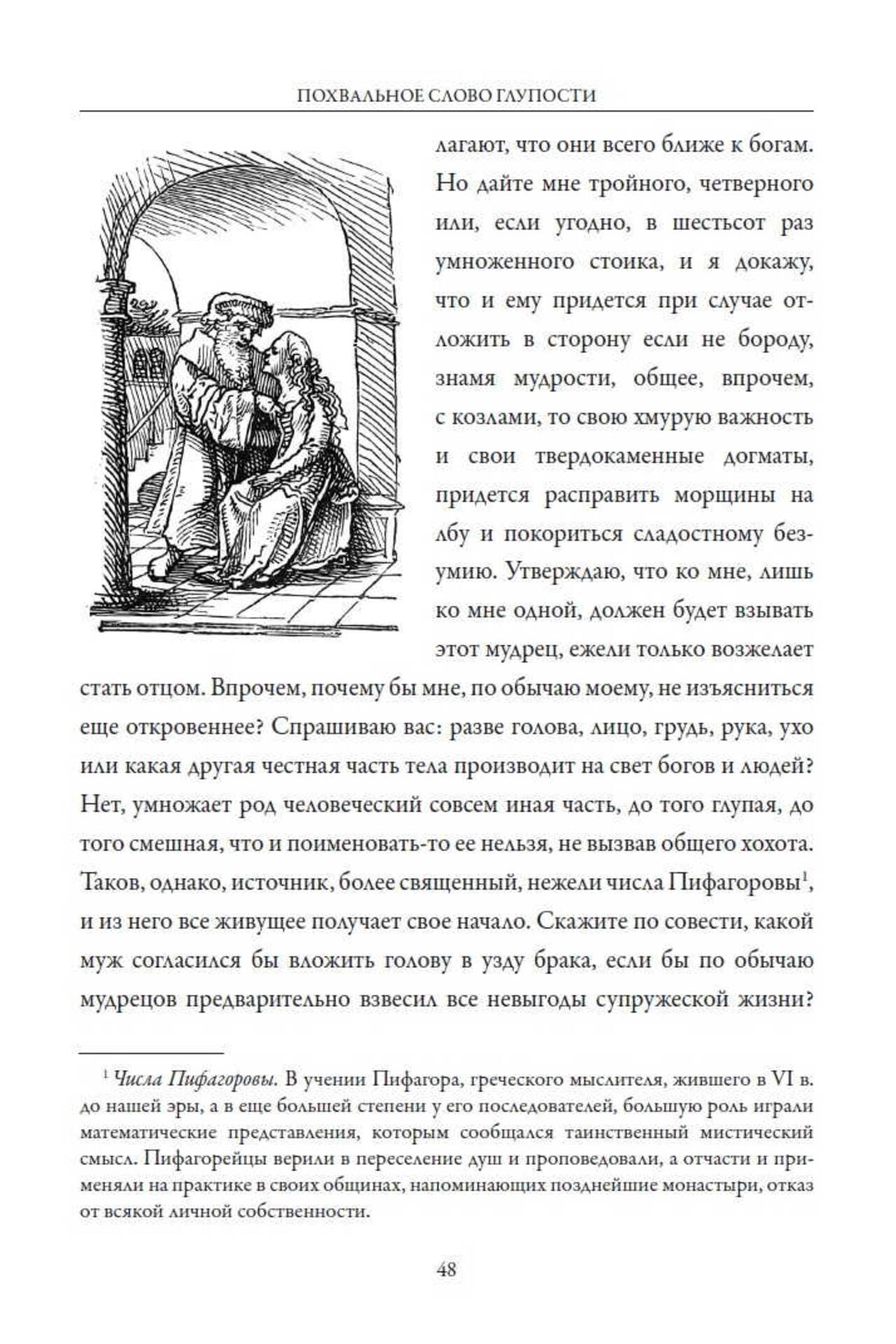
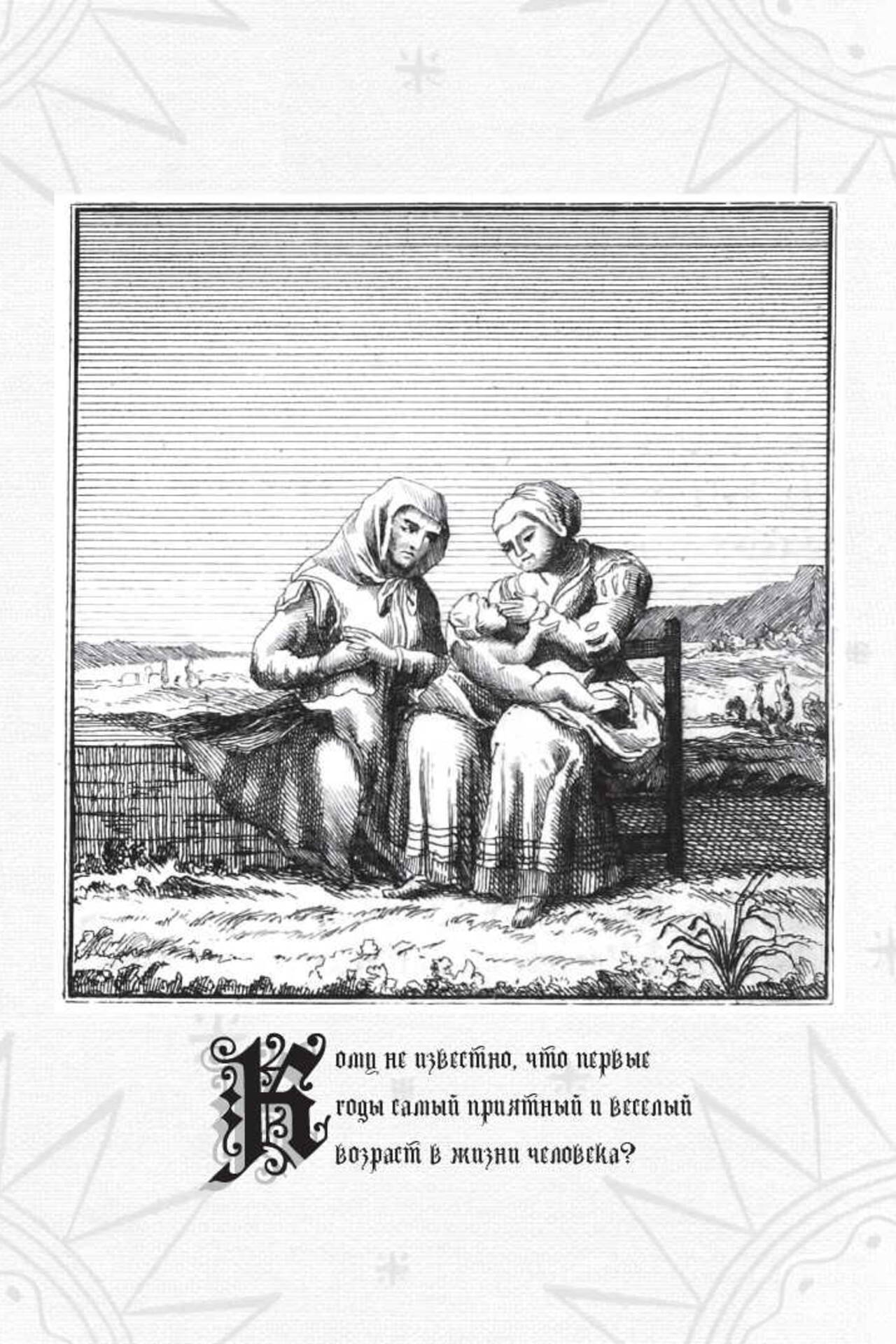
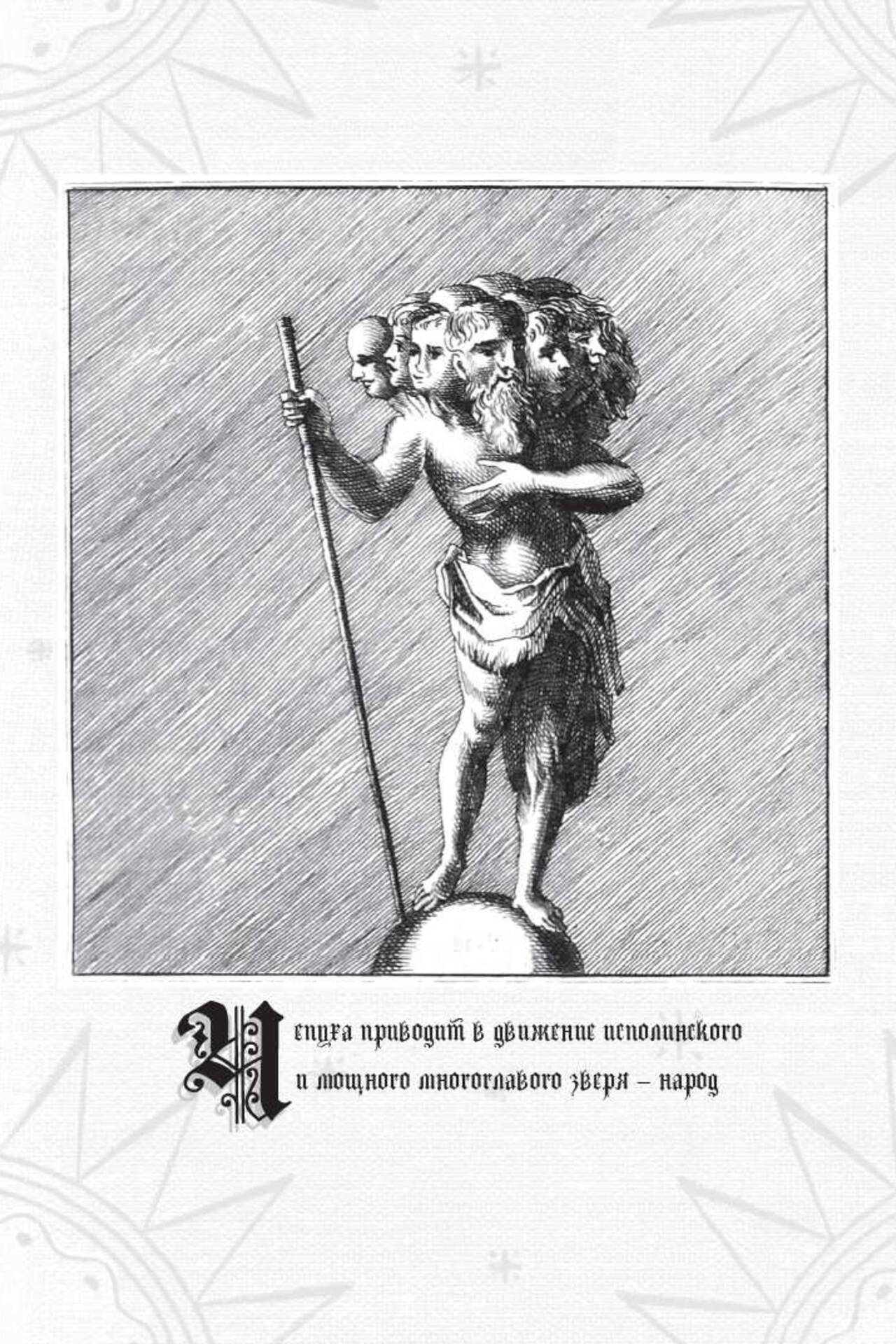
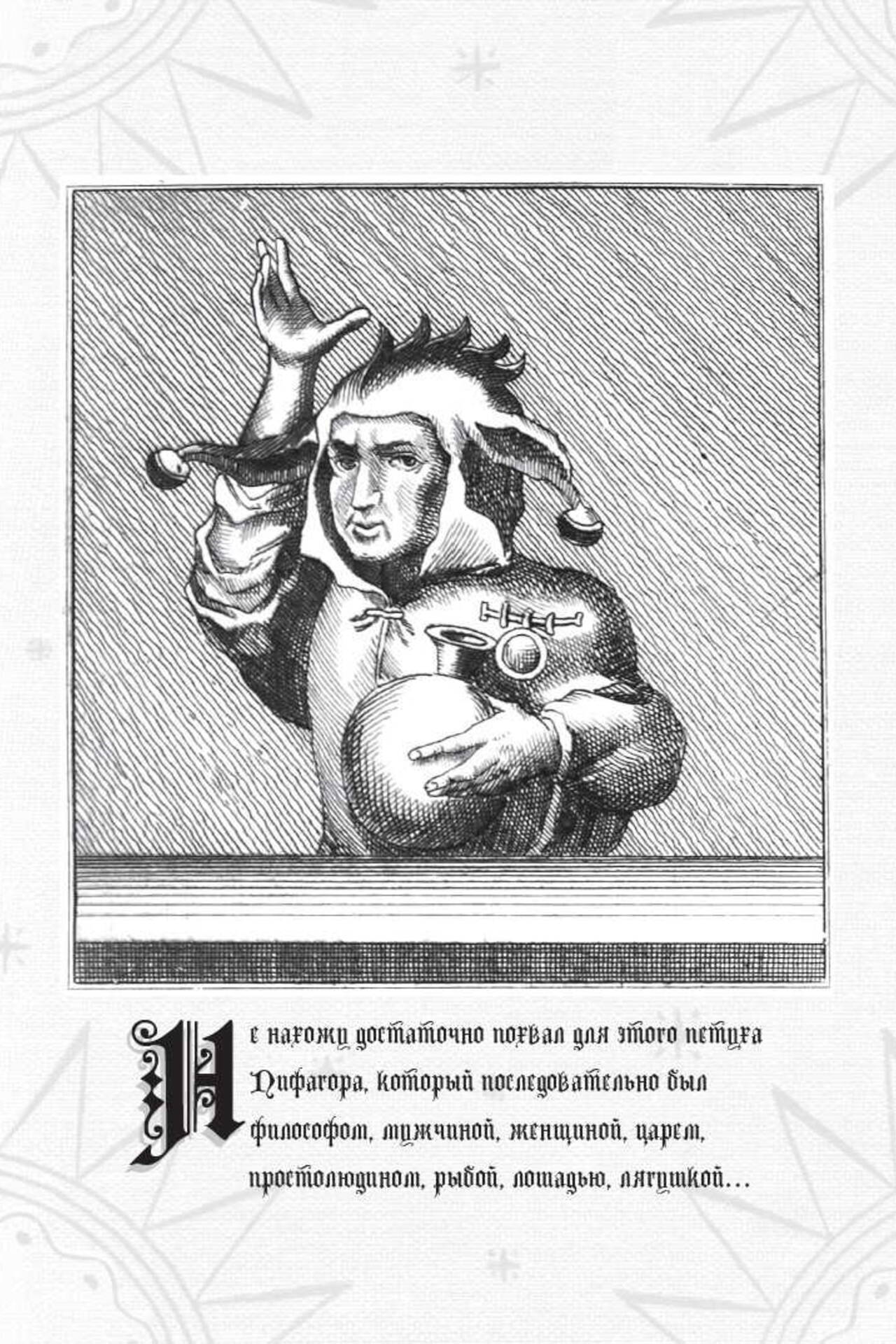
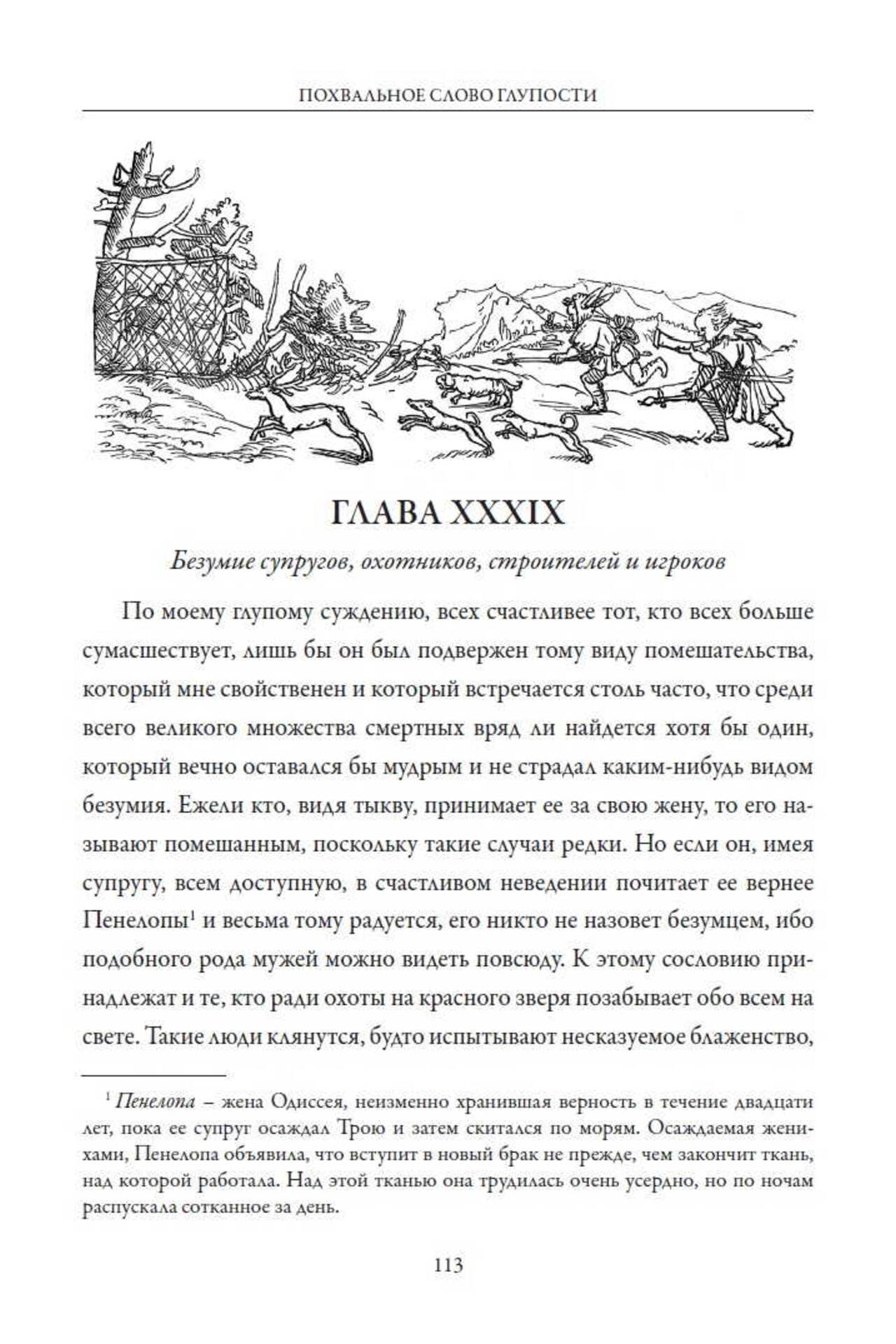
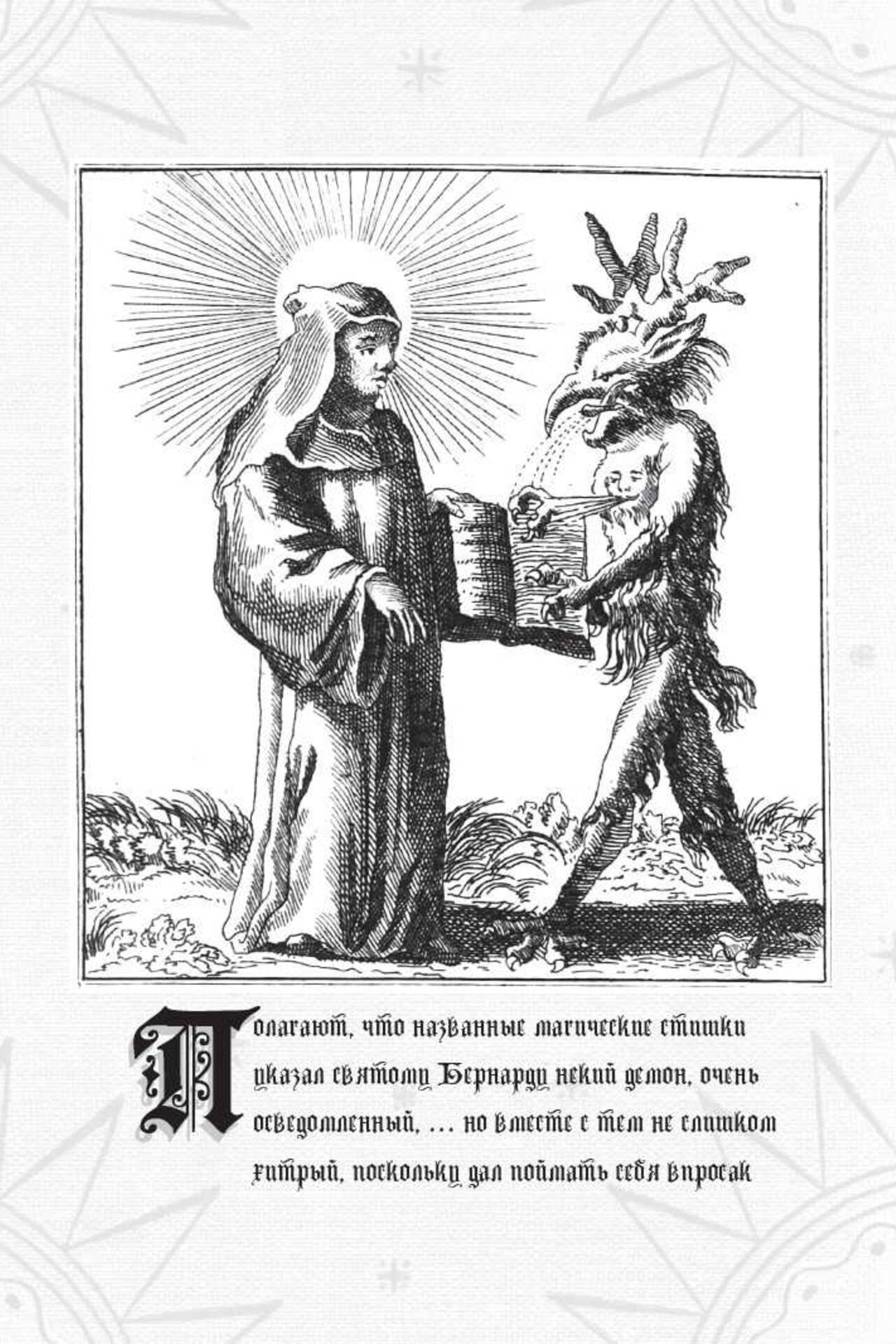
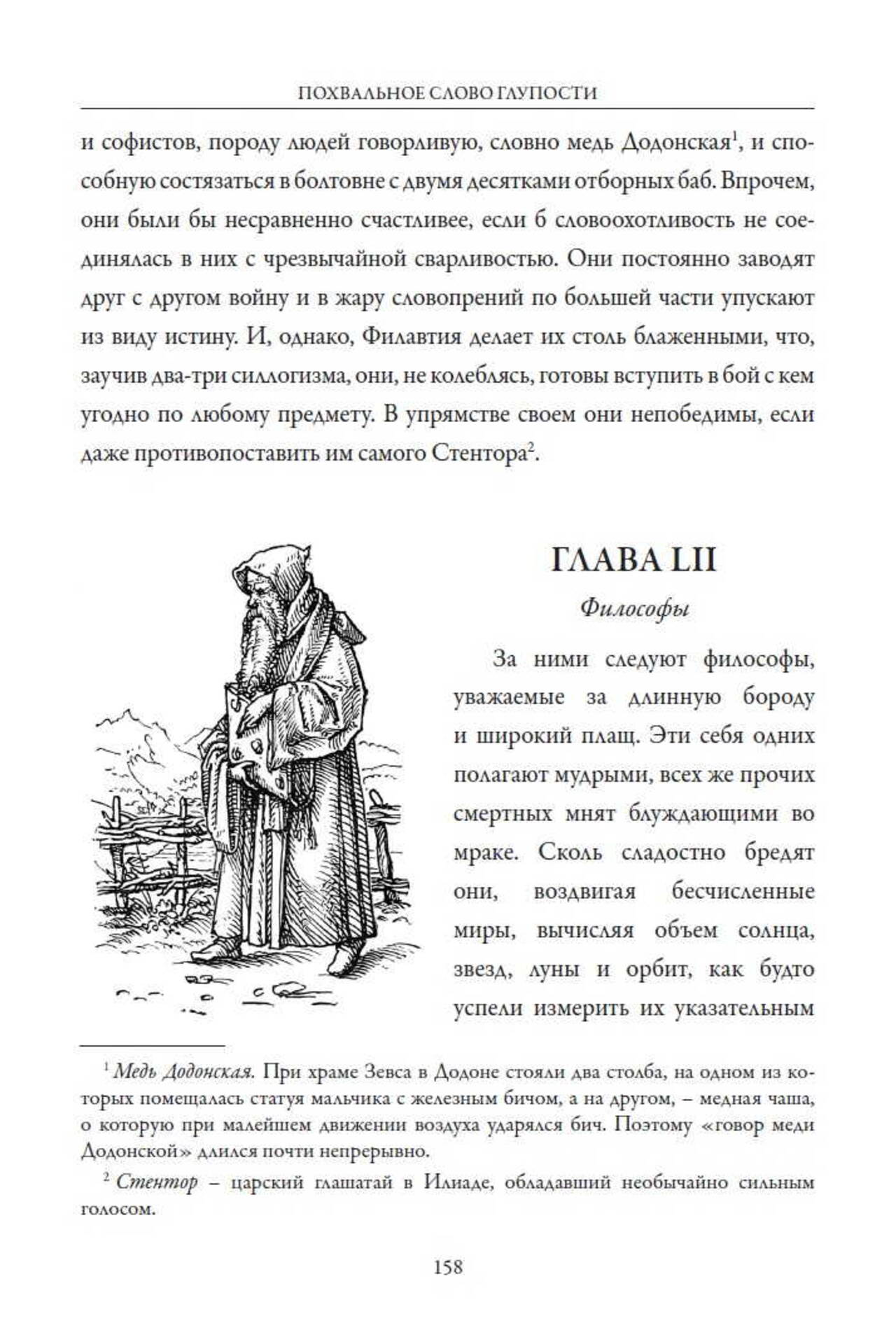
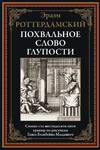
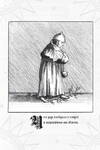
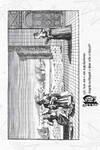
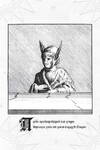
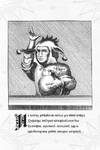
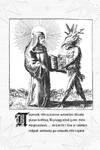
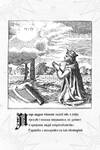
The most famous work of the famous Dutch thinker and writer Erasmus of Rotterdam, A Praise of Folly, was written by him in Latin in 1509. In it, the author wittily criticizes both contemporary European society and church customs. The text is translated by P. K. Huber, whose preface precedes this edition. The book has numerous commentaries, an article by P. Ardashev on the author's life and work, and is decorated with drawings by Hans Holbein the Younger.
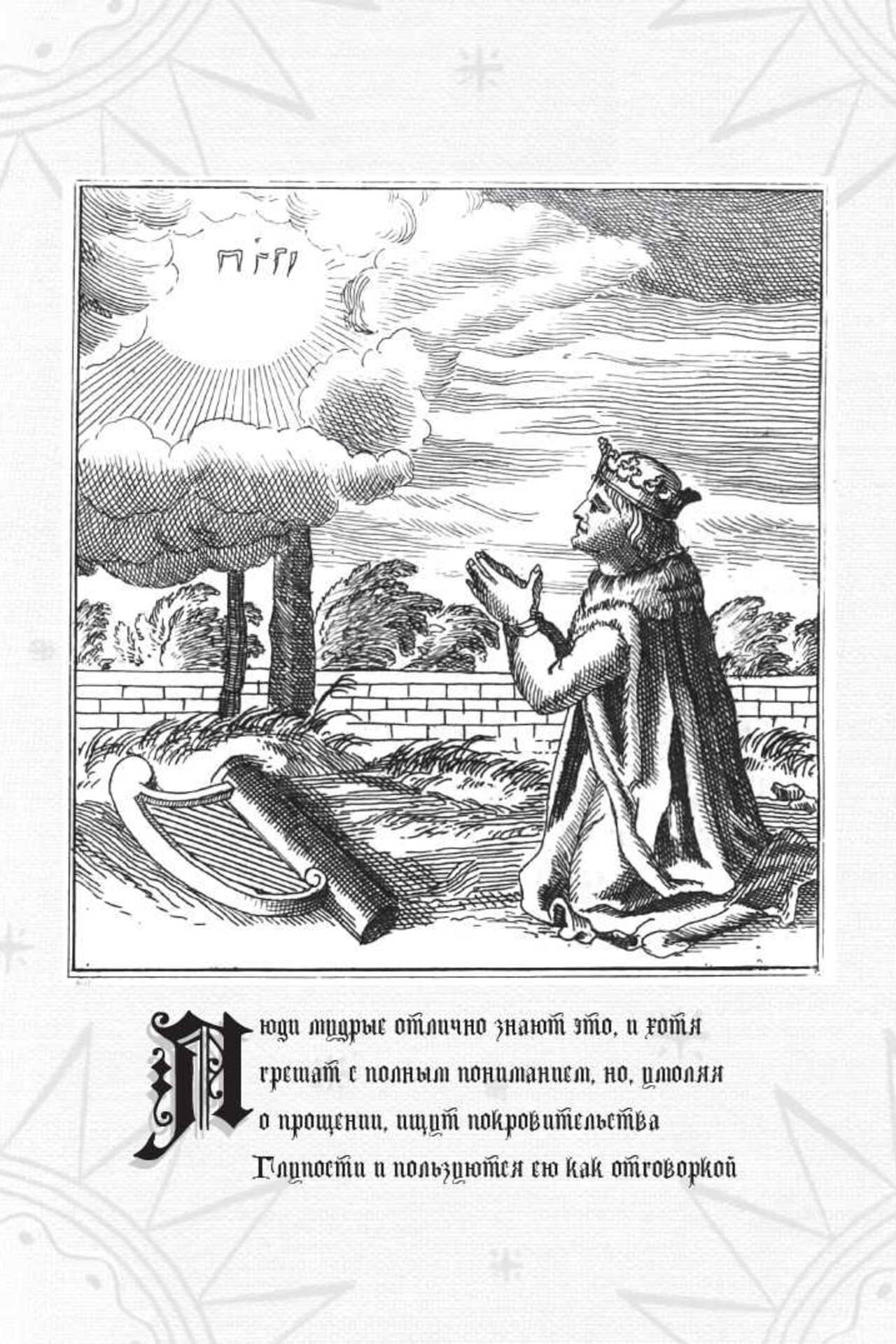
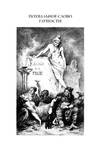
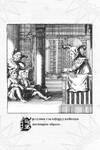
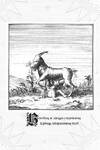
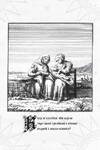
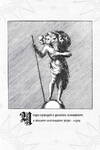
In the first half of the 16th century, Erasmus of Rotterdam was as famous in Europe as Voltaire was a couple of centuries later. English and French monarchs invited him to court, and the most educated scholars considered it an honor to correspond with this brilliant polymath. Meanwhile, the beginning of the life of the future connoisseur of antiquity was bleak. Erasmus was born in 1467 in Rotterdam. His father's marriage was not registered, so formally the boy was considered illegitimate. His parents died early, and the young man went to a monastery out of despair. Within its walls, he saw the monks' hypocrisy and sanctimony, which then ironically mocked in his "Praise of Folly". However, the monastery gave Erasmus a great opportunity to engage in self-education, and in a few years the young man read and spoke Latin almost better than in his native Dutch. He attracted the attention of the educated public, publishing a collection of sayings and short stories extracted from the heritage of antiquity, and later gained fame as an enlightened theologian. "A Praise of Folly" he wrote in 1509 on his way from Italy to his native Holland, just to pass the time. Erasmus himself regarded this work as a kind of literary trifle, but it was it that eventually overshadowed the solid treatises of the humanist scholar. Suffice it to say that only during Erasmus's lifetime, "Praise" was published forty times in Europe. The image of Erasmus of Rotterdam captured for posterity one of the greatest painters of the XVI century. - the German painter Hans Holbein the Younger. Now this portrait, dated 1523, can be seen in the London National Gallery. The famous humanist is wearing a warm fur cape, his hands resting on a book in a red binding. On the trim is an inscription in Latin and Greek - "Herculean Labor of Erasmus of Rotterdam". The artist and the philosopher knew each other well. In Basel, where Erasmus lived the last years of his life, Holbein had a studio. When the artist came to England, he brought with him letters of recommendation from Erasmus and first lived in the house of a friend of the philosopher - the famous author of "Utopia" Thomas More. The writer himself asked Holbein to perform illustrations for his "Praise of Folly". In response, the artist made a number of engravings that adorn this edition. In style, they resemble Holbein's later "Dance of Death" series of drawings. Erasmus of Rotterdam specially selected a quotation from the Bible in Latin for each picture in this series. Holbein outlived his philosopher friend by seven years.
In the first half of the 16th century, Erasmus of Rotterdam was as famous in Europe as Voltaire was a couple of centuries later. English and French monarchs invited him to court, and the most educated scholars considered it an honor to correspond with this brilliant polymath. Meanwhile, the beginning of the life of the future connoisseur of antiquity was bleak. Erasmus was born in 1467 in Rotterdam. His father's marriage was not registered, so formally the boy was considered illegitimate. His parents died early, and the young man went to a monastery out of despair. Within its walls, he saw the monks' hypocrisy and sanctimony, which then ironically mocked in his "Praise of Folly". However, the monastery gave Erasmus a great opportunity to engage in self-education, and in a few years the young man read and spoke Latin almost better than in his native Dutch. He attracted the attention of the educated public, publishing a collection of sayings and short stories extracted from the heritage of antiquity, and later gained fame as an enlightened theologian. "A Praise of Folly" he wrote in 1509 on his way from Italy to his native Holland, just to pass the time. Erasmus himself regarded this work as a kind of literary trifle, but it was it that eventually overshadowed the solid treatises of the humanist scholar. Suffice it to say that only during Erasmus's lifetime, "Praise" was published forty times in Europe. The image of Erasmus of Rotterdam captured for posterity one of the greatest painters of the XVI century. - the German painter Hans Holbein the Younger. Now this portrait, dated 1523, can be seen in the London National Gallery. The famous humanist is wearing a warm fur cape, his hands resting on a book in a red binding. On the trim is an inscription in Latin and Greek - "Herculean Labor of Erasmus of Rotterdam". The artist and the philosopher knew each other well. In Basel, where Erasmus lived the last years of his life, Holbein had a studio. When the artist came to England, he brought with him letters of recommendation from Erasmus and first lived in the house of a friend of the philosopher - the famous author of "Utopia" Thomas More. The writer himself asked Holbein to perform illustrations for his "Praise of Folly". In response, the artist made a number of engravings that adorn this edition. In style, they resemble Holbein's later "Dance of Death" series of drawings. Erasmus of Rotterdam specially selected a quotation from the Bible in Latin for each picture in this series. Holbein outlived his philosopher friend by seven years.
See also:
- All books by the publisher
- All books by the author
- All books in the series Library of World Literature