







Sermons. In 2 books.
199.99 €
Out of stock

Sermons. In 2 books.
199.99 €
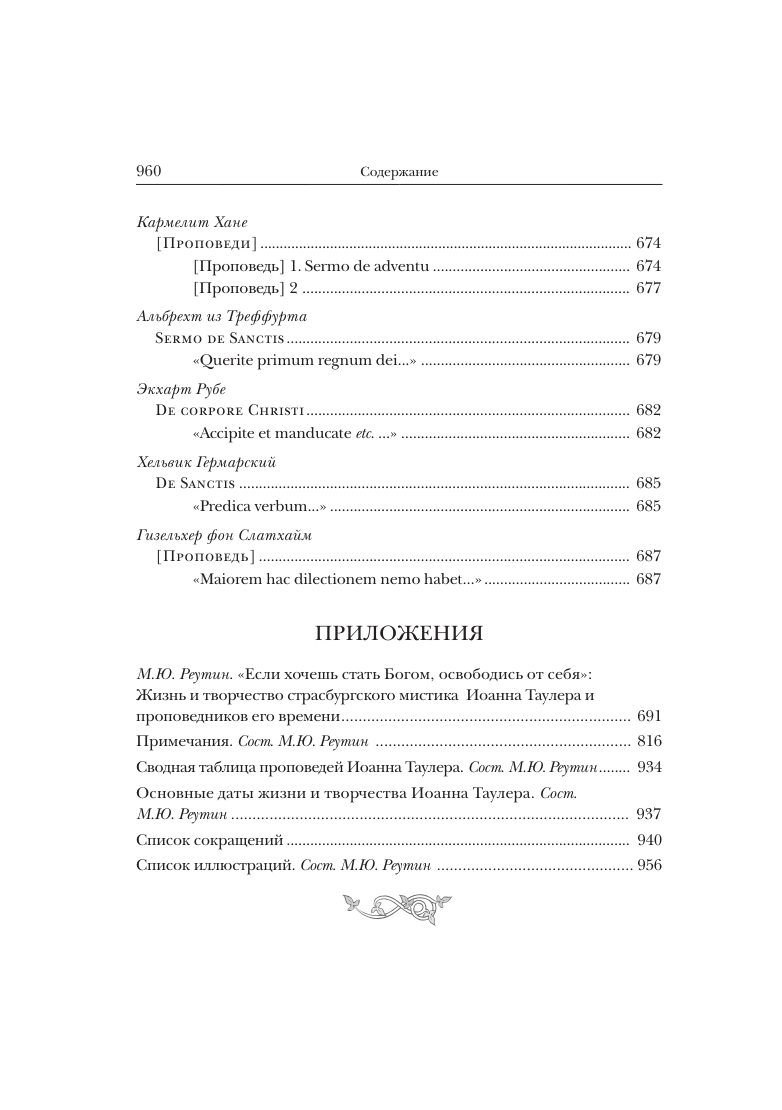
This publication completes a four-volume project to publish the main works of German mysticism of the first half of the 14th century, within the framework of which the series "Literary Monuments" previously published commented translations of the works of Meister Eckhart (2010), Heinrich Suso (2014) and several Dominican nuns of southern Germany (2019).
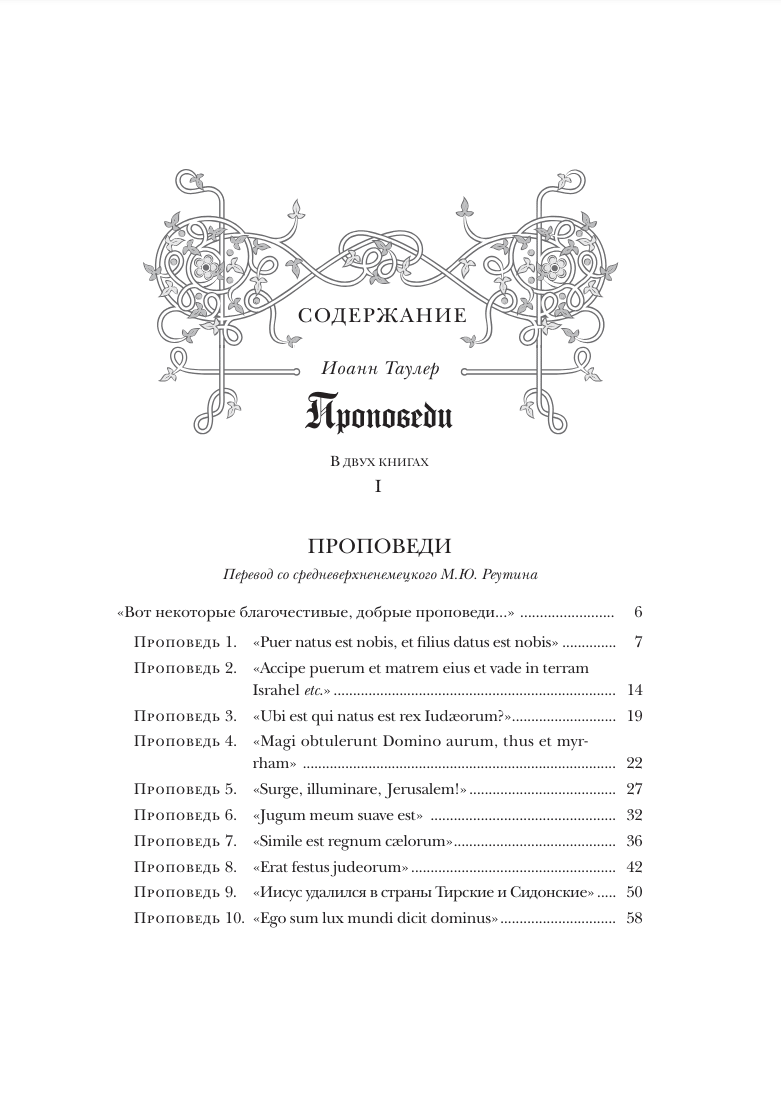
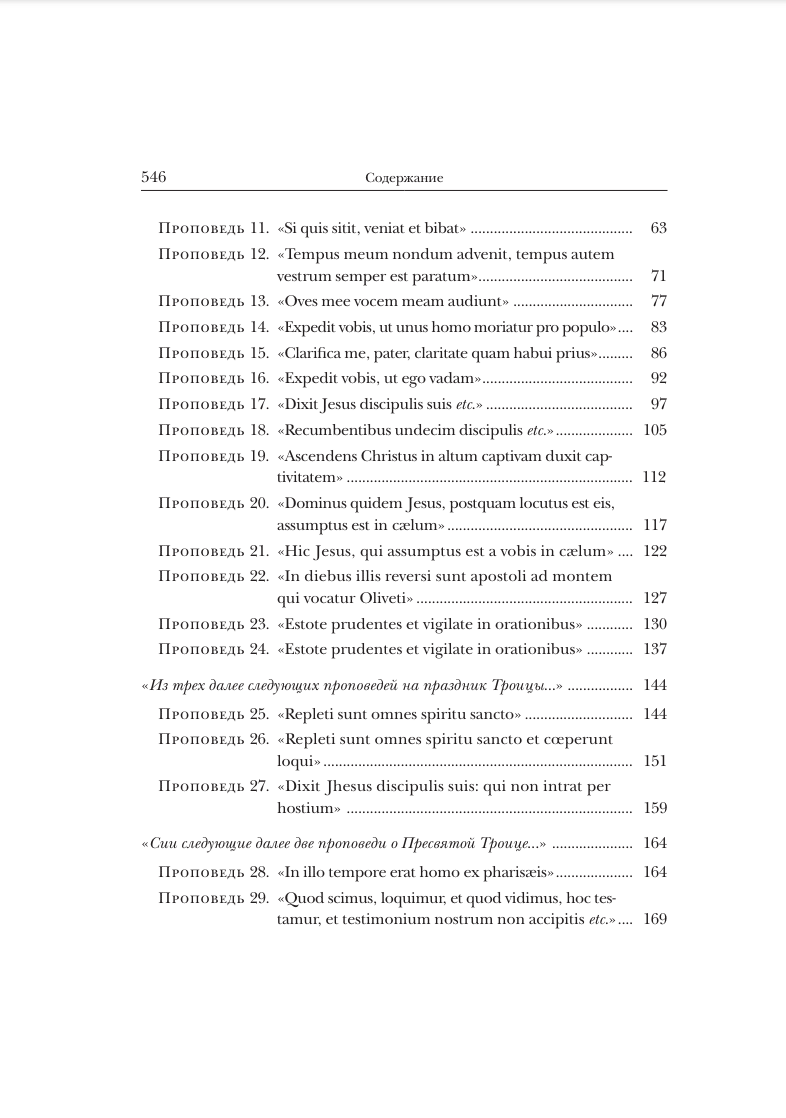
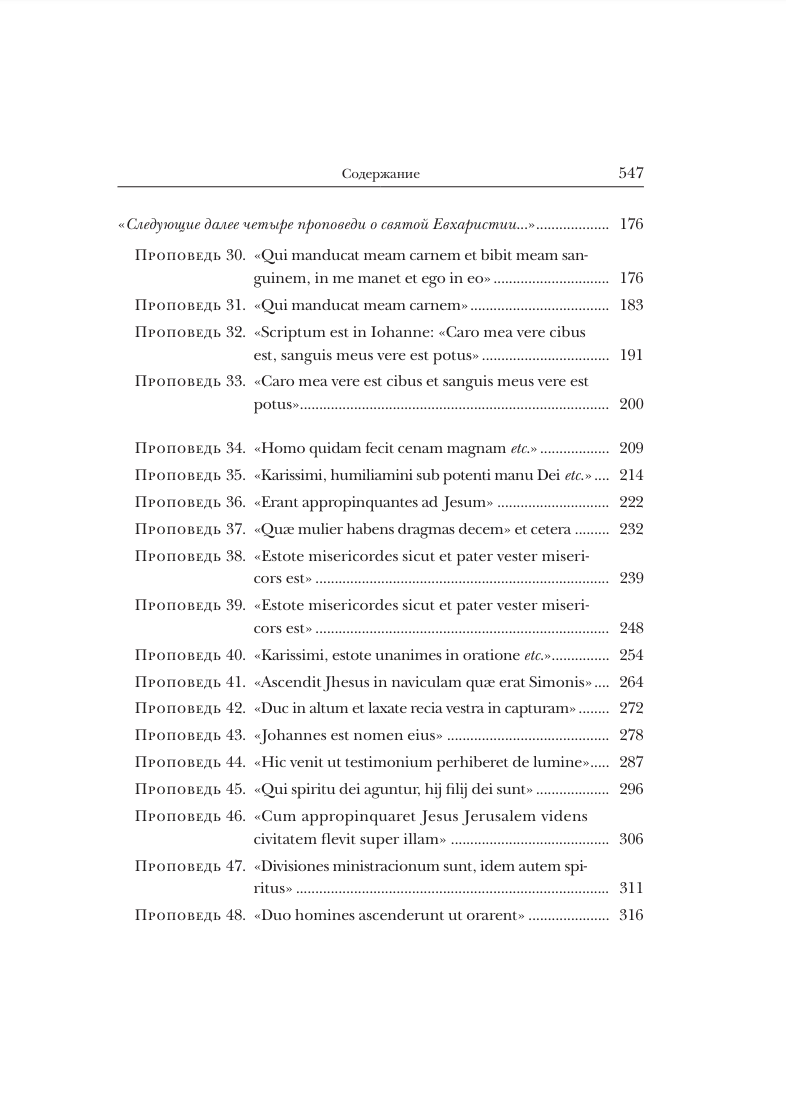
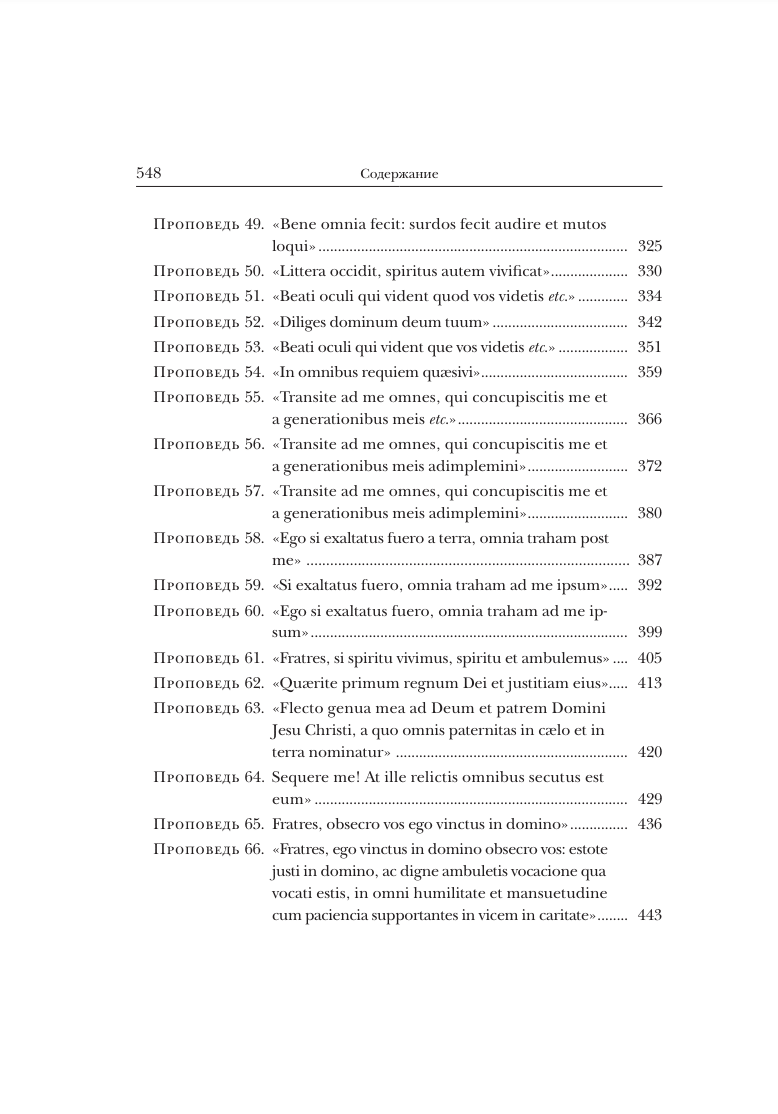
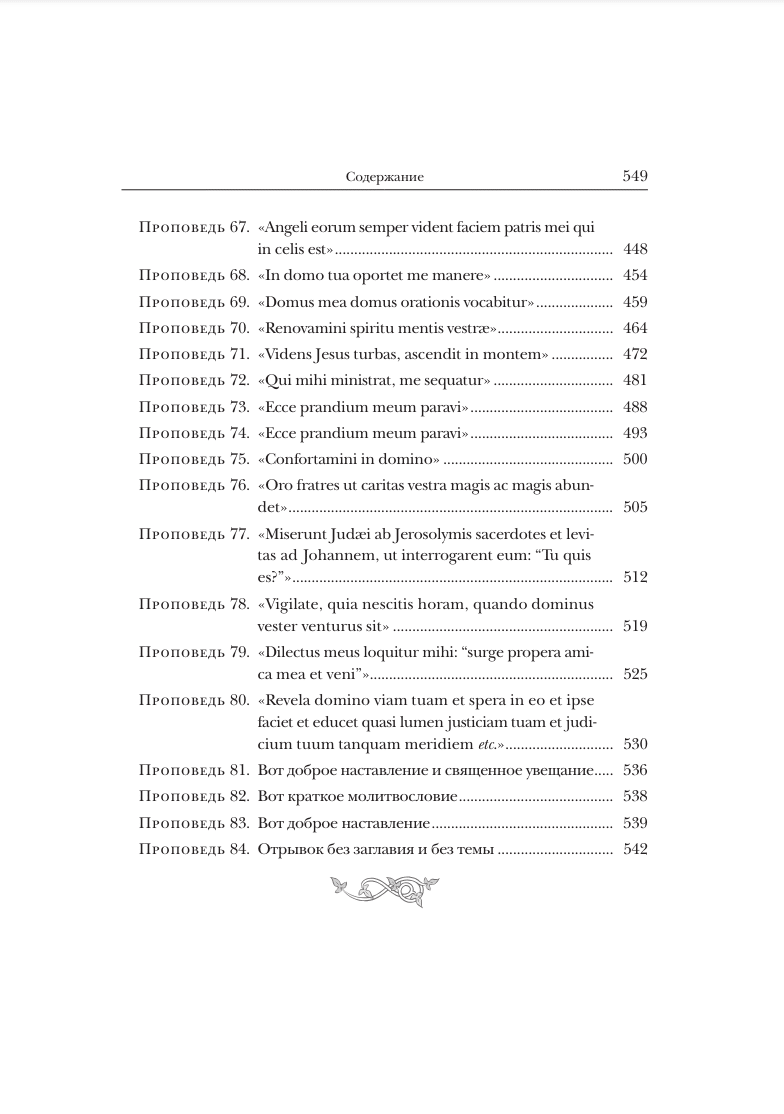
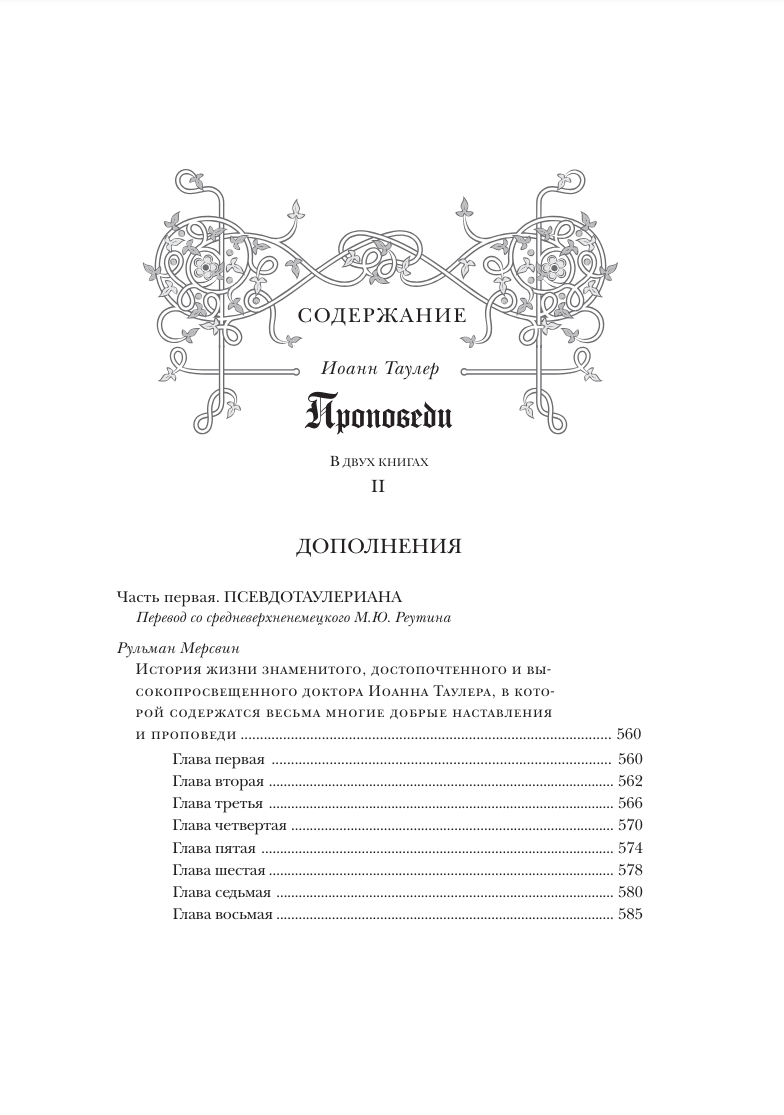
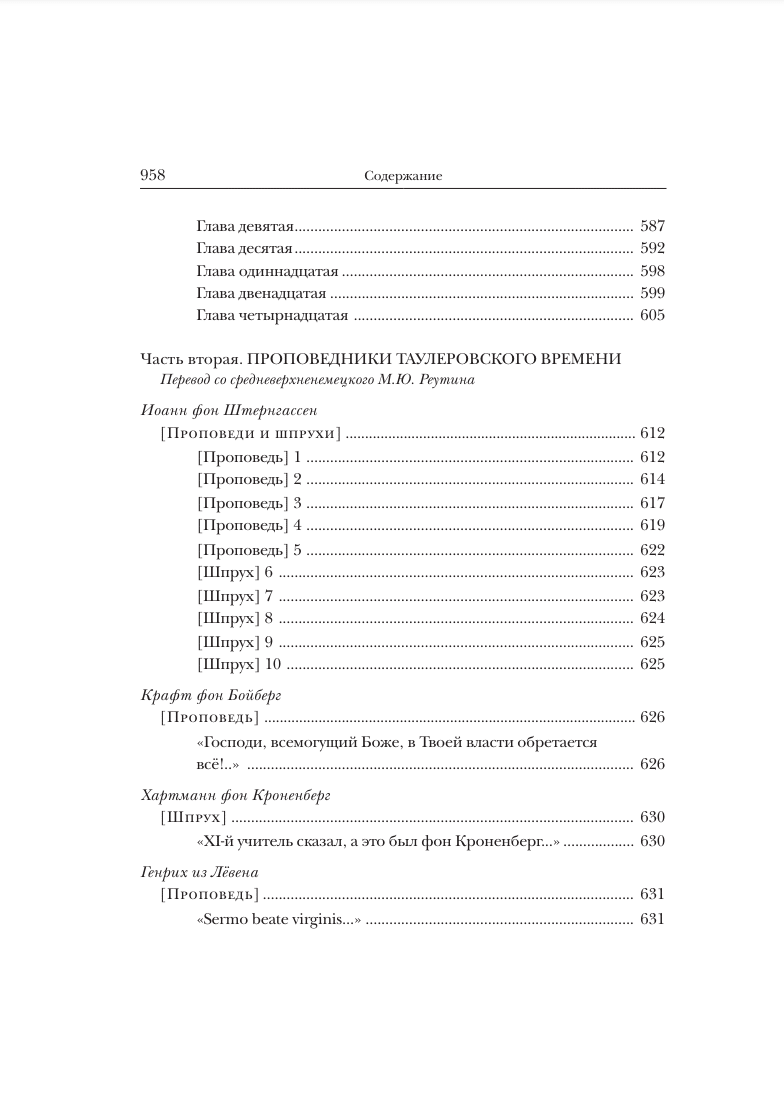
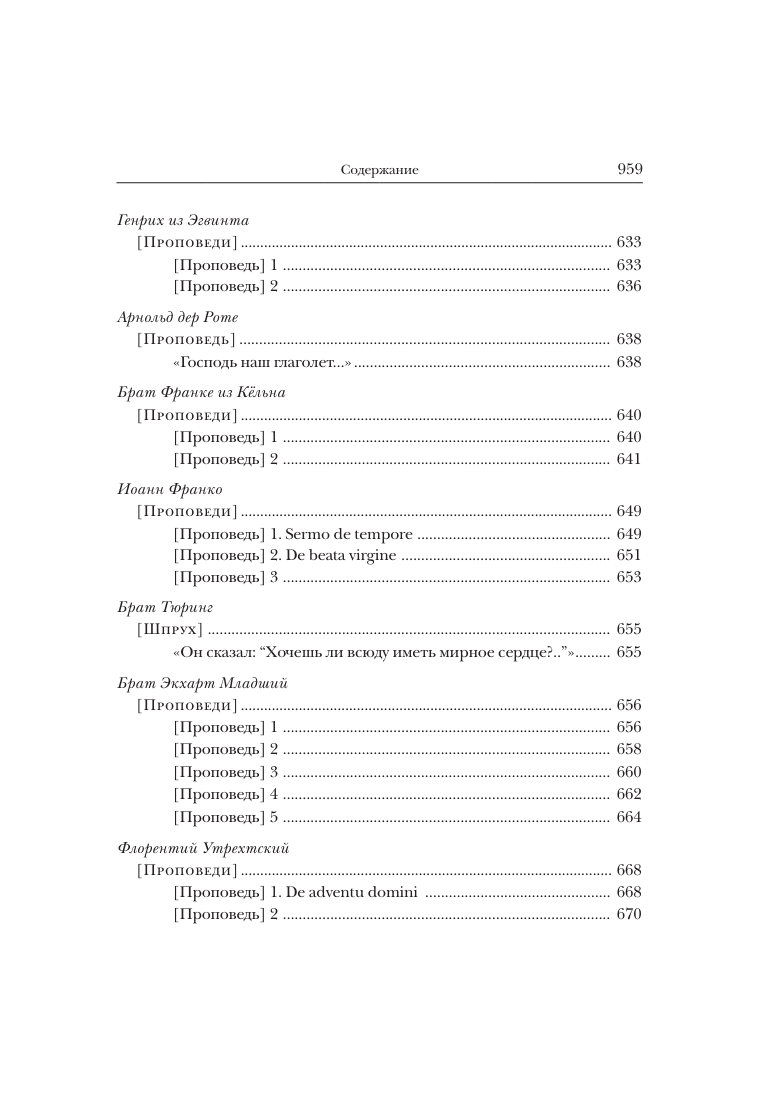
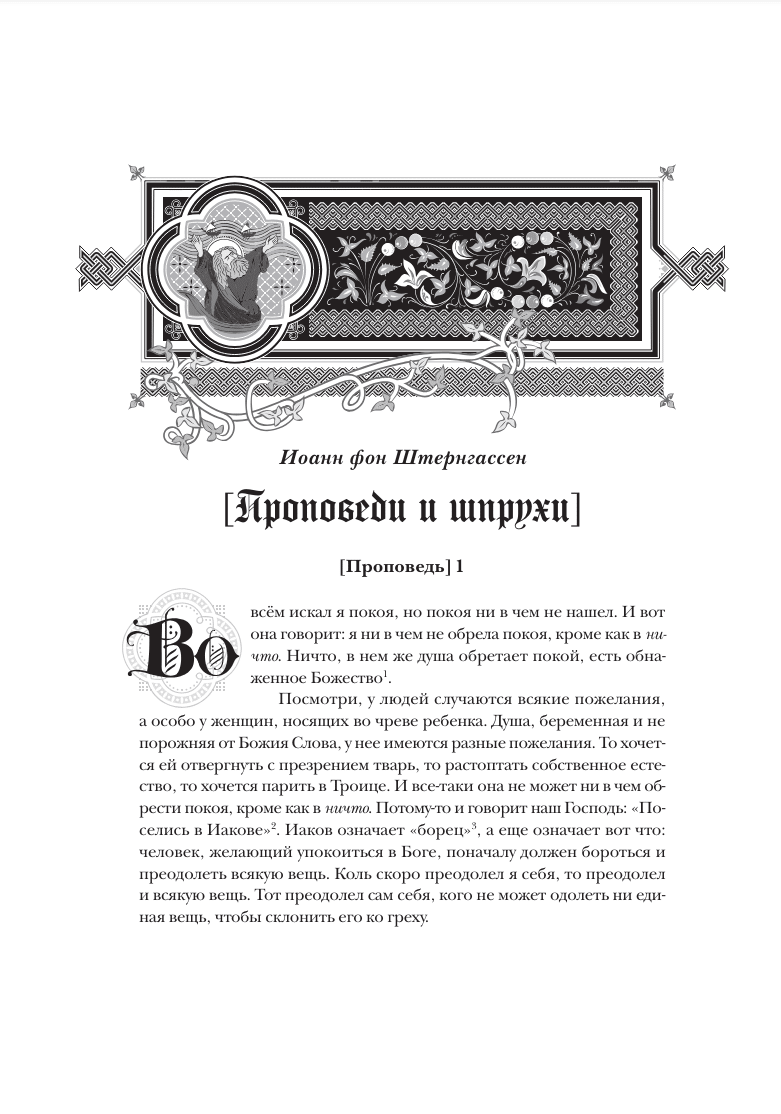
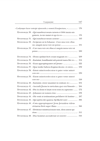
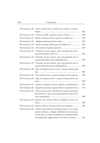
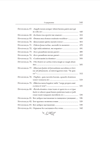
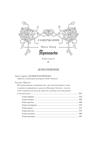
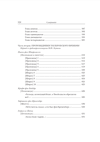
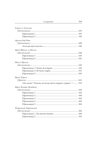
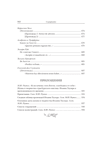
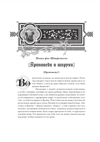
To date, more than eighty sermons, delivered by him mainly in Cologne and Strasbourg, as well as one letter addressed to the nuns of the Dominican monastery of Maria Medingen on the Danube, are attributed to John Tauler (1300-1361), a student and follower of Meister Eckhart and an associate of Heinrich Suso. All of them are included in this edition. The Supplements to the main part of the edition include the main text of the pseudo-Taulerians, The Life of Doctor John Tauler, whose attribution to Tauler was refuted by the neo-Thomist Heinrich Denifle at the end of the 19th century, and sermons by sixteen Dominican theologians of the second order, some of whom are presented in the famous homiletic collection The Paradise of the Rational Soul. As a successor of Eckhart, Tauler generally adopted the metaphysics presented by his predecessor in treatises and sermons in German and, probably, in oral conversations (documentary evidence of the latter, however, has not survived). This Neoplatonic metaphysics - very reminiscent of the metaphysics of the Byzantine hesychast of the mid-14th century Gregory Palamas - was developed by Eckhart in Latin commentaries on the biblical books of his scholastic summa, The Threefold Work, which Tauler apparently did not know. Despite Tauler's immersion in Eckhart's metaphysics, he cannot be called an Eckhartian epigone, as was often the case until recently, since as a practicing, experienced spiritual mentor he developed, within the framework of Eckhart's concept of man, an exceptionally deep and subtle psychology, which was outlined by Eckhart (above all, in his "Speeches of Admonition"), but was not developed by him. Thanks to his psychology, Tauler entered the history of German, and then through Latin translations also European thought, he became famous among the early reformers. De facto Tauler saved from centuries of oblivion the metaphysics of Eckhart, whom, judging by the number of manuscripts, he many times surpassed in popularity. In addition, having developed the active potential of Eckhart's detachment, Tauler began to build the work ethic of early capitalism. This is why he became one of the main heroes of Max Weber's famous work "The Protestant Ethic and the Spirit of Capitalism". The social processes illuminated by M. Weber in the sociological plane were based on anthropology and ethics of the Tauler type. All translations included in this edition are carefully commented and provided with a detailed accompanying article. The binding of this edition is covered with leatherette. The edition is provided with a full-color dust jacket with selective varnishing, as well as a white bookmark.
To date, more than eighty sermons, delivered by him mainly in Cologne and Strasbourg, as well as one letter addressed to the nuns of the Dominican monastery of Maria Medingen on the Danube, are attributed to John Tauler (1300-1361), a student and follower of Meister Eckhart and an associate of Heinrich Suso. All of them are included in this edition. The Supplements to the main part of the edition include the main text of the pseudo-Taulerians, The Life of Doctor John Tauler, whose attribution to Tauler was refuted by the neo-Thomist Heinrich Denifle at the end of the 19th century, and sermons by sixteen Dominican theologians of the second order, some of whom are presented in the famous homiletic collection The Paradise of the Rational Soul. As a successor of Eckhart, Tauler generally adopted the metaphysics presented by his predecessor in treatises and sermons in German and, probably, in oral conversations (documentary evidence of the latter, however, has not survived). This Neoplatonic metaphysics - very reminiscent of the metaphysics of the Byzantine hesychast of the mid-14th century Gregory Palamas - was developed by Eckhart in Latin commentaries on the biblical books of his scholastic summa, The Threefold Work, which Tauler apparently did not know. Despite Tauler's immersion in Eckhart's metaphysics, he cannot be called an Eckhartian epigone, as was often the case until recently, since as a practicing, experienced spiritual mentor he developed, within the framework of Eckhart's concept of man, an exceptionally deep and subtle psychology, which was outlined by Eckhart (above all, in his "Speeches of Admonition"), but was not developed by him. Thanks to his psychology, Tauler entered the history of German, and then through Latin translations also European thought, he became famous among the early reformers. De facto Tauler saved from centuries of oblivion the metaphysics of Eckhart, whom, judging by the number of manuscripts, he many times surpassed in popularity. In addition, having developed the active potential of Eckhart's detachment, Tauler began to build the work ethic of early capitalism. This is why he became one of the main heroes of Max Weber's famous work "The Protestant Ethic and the Spirit of Capitalism". The social processes illuminated by M. Weber in the sociological plane were based on anthropology and ethics of the Tauler type. All translations included in this edition are carefully commented and provided with a detailed accompanying article. The binding of this edition is covered with leatherette. The edition is provided with a full-color dust jacket with selective varnishing, as well as a white bookmark.
See also:
- All books by the publisher
- All books by the author
- All books in the series Literary monuments