


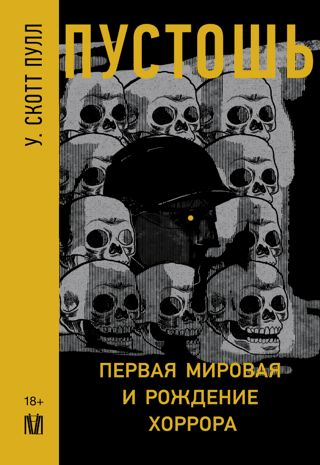
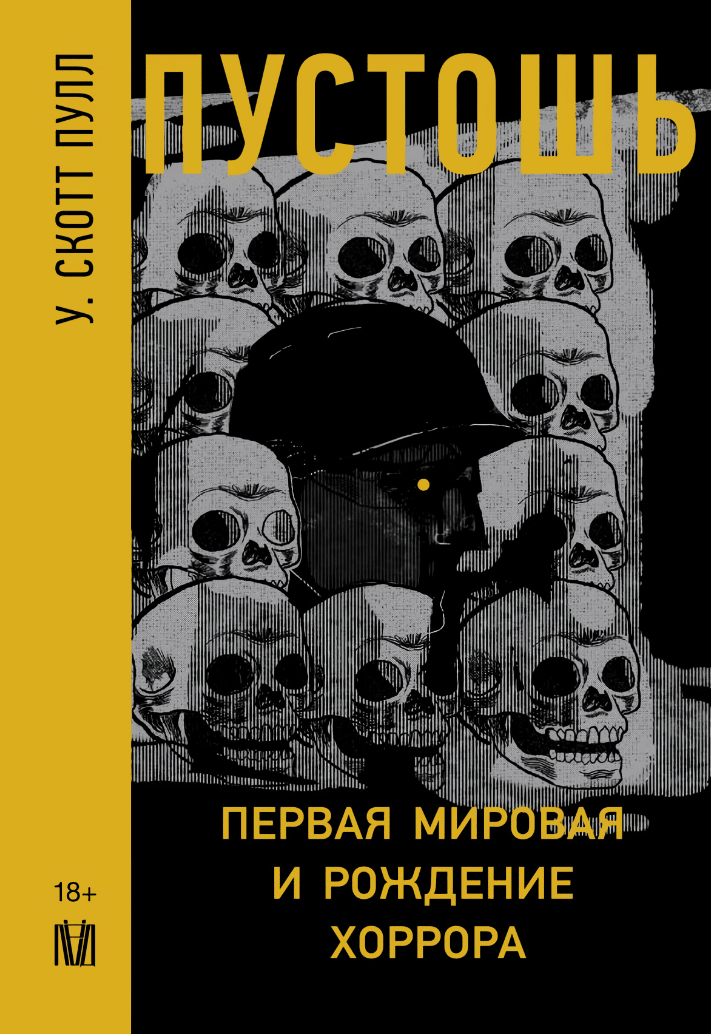
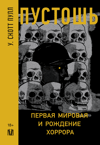
Wasteland: World War I and the Birth of Horror
19.99 €
Out of stock
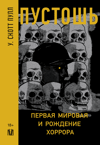
Wasteland: World War I and the Birth of Horror
19.99 €
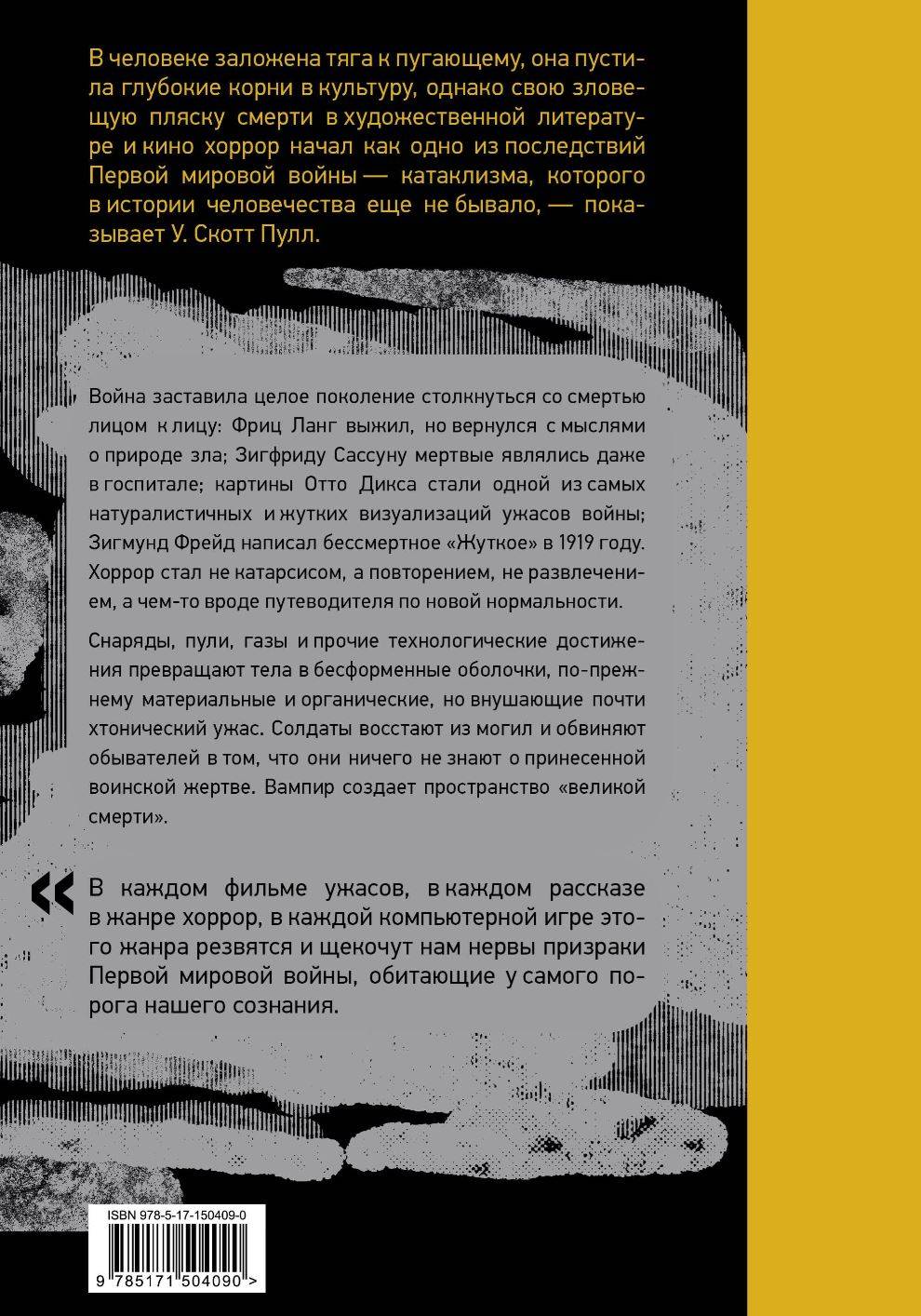
The human craving for the frightening is inherent in man and has taken deep roots in culture, but its ominous dance of death in fiction and film began as one of the consequences of the First World War, a cataclysmic event that had never happened before in the history of mankind," shows W. Scott Pull.
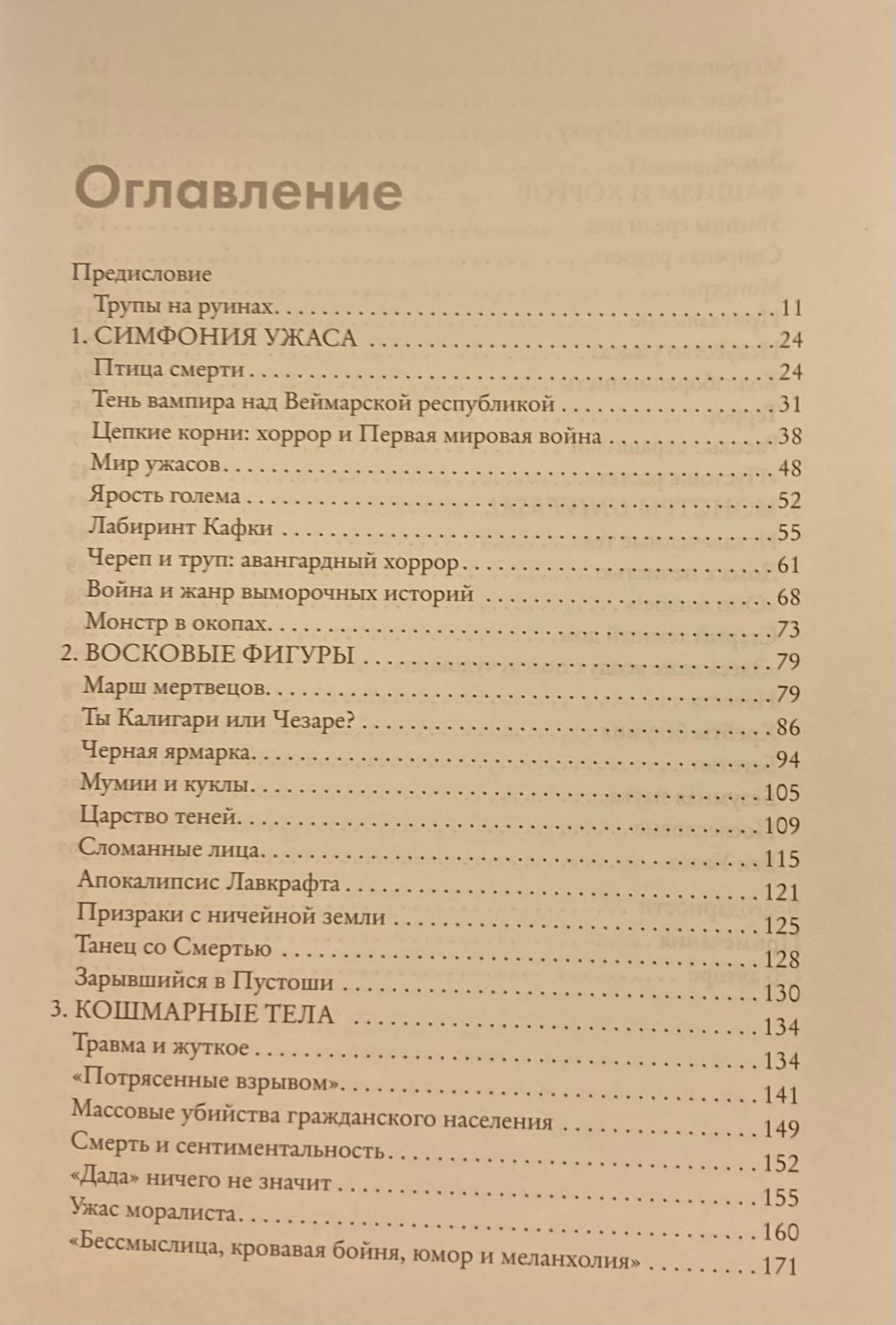
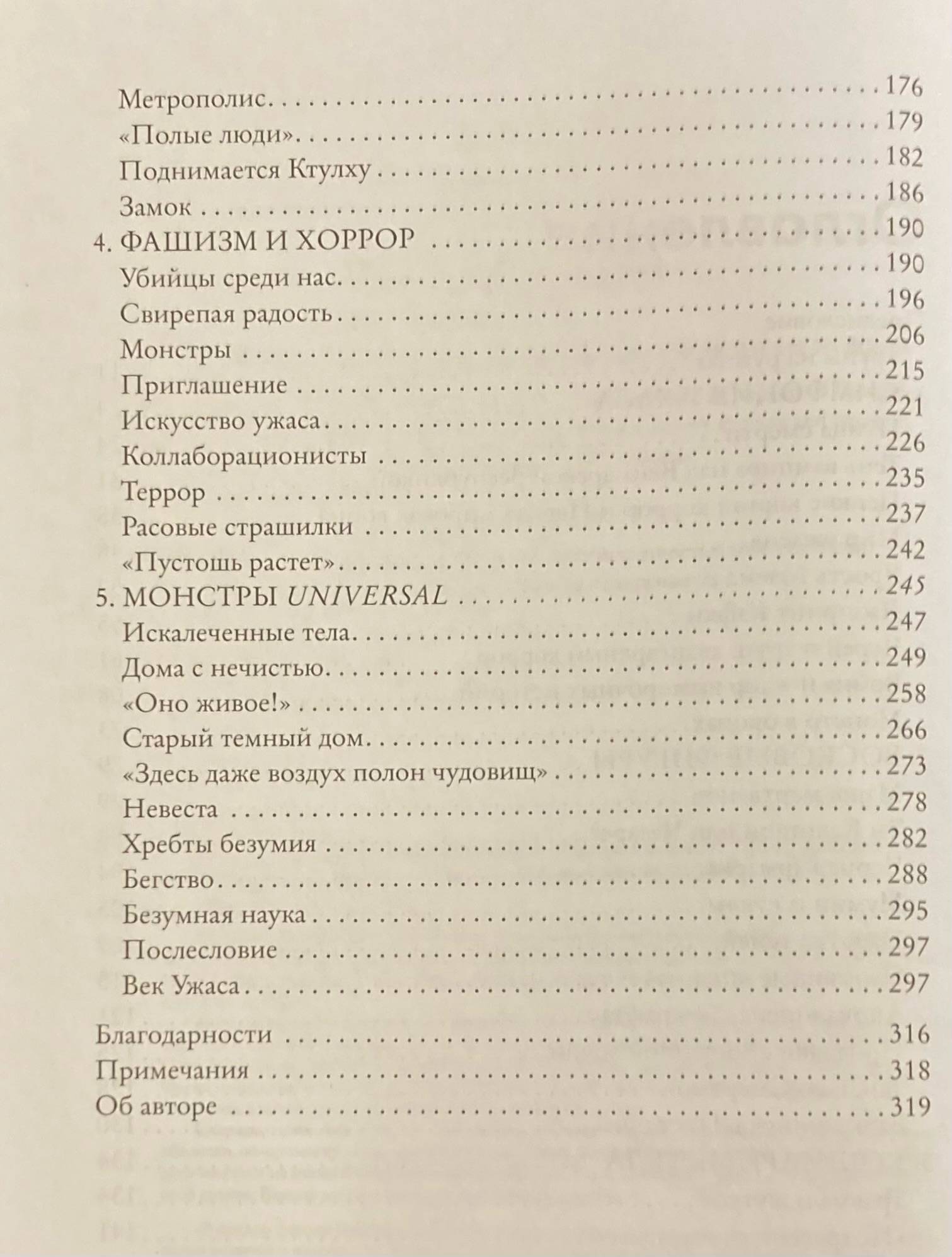
The war forced an entire generation to face death head-on: Fritz Lang survived but returned with thoughts about the nature of evil; Siegfried Sassoon saw the dead even in the hospital; Otto Dix's paintings became one of the most naturalistic and eerie visualizations of the horrors of war; Sigmund Freud wrote the immortal "The Spooky" in 1919. Horror became not catharsis but repetition, not entertainment but something of a guide to a new normalcy.
Shells, bullets, gases, and other technological advances turn bodies into shapeless shells, still material and organic but inspiring an almost chthonic terror. Soldiers rise from their graves and accuse everyday people of knowing nothing about the military sacrifice they have made. The vampire creates a space of "great death."
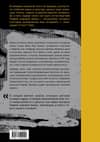
"In every horror movie, in every short story in the horror genre, in every computer game of this genre, the ghosts of the First World War frolic and tickle our nerves, dwelling at the very threshold of our consciousness."
The war forced an entire generation to face death head-on: Fritz Lang survived but returned with thoughts about the nature of evil; Siegfried Sassoon saw the dead even in the hospital; Otto Dix's paintings became one of the most naturalistic and eerie visualizations of the horrors of war; Sigmund Freud wrote the immortal "The Spooky" in 1919. Horror became not catharsis but repetition, not entertainment but something of a guide to a new normalcy.
Shells, bullets, gases, and other technological advances turn bodies into shapeless shells, still material and organic but inspiring an almost chthonic terror. Soldiers rise from their graves and accuse everyday people of knowing nothing about the military sacrifice they have made. The vampire creates a space of "great death."
"In every horror movie, in every short story in the horror genre, in every computer game of this genre, the ghosts of the First World War frolic and tickle our nerves, dwelling at the very threshold of our consciousness."
See also:
- All books by the publisher
- All books by the author
- All books in the series After History