


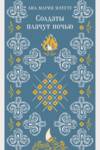
Soldiers cry at night
6.99 €
In stock

Soldiers cry at night
6.99 €
The quantum action of the novel covers chronological milestones in the dramatic fate of Spain. The Asturian "Red October" of 1934, February 1937 - the successes of the Republicans near Madrid, then the fall of Malaga - one of the most brutal blows to the Republic, January 1939 - Barcelona fell, Republican Catalonia, desperately resisting the interventionists, was living out its last days, and only a few weeks remained before the death of the people's Spain.
And although there were no open large-scale battles on the island, events still took place here, actions were committed that inevitably reflected universal human contradictions.
At the end of 1934, Geza arrived on the island, he had to sort out the local affairs and report to the Central Committee of the Party in Madrid. When the war began a year later, José Taronji (Manuel considered him his father), Simeon and Zacarias were caught in one of the raids. In February 1937, Gesu was arrested and thrown into prison. He was killed in mid-October 1938, and in January 1939, Gesu's wife fled the island occupied by Franco. Marta and Manuel lost Gesu, Spain lost the Republic. Such are the parallels.
Even strong-willed soldiers will mourn their fathers and brothers at night for a long time.
A nervous novel, uneven, dynamic in style. It contains the whole range of feelings and thoughts of the characters: doubts, despair, depression, hopes, the burden of the past and aspirations for the future. Marta's story is an anxious prelude, which ultimately leads her to a conscious departure from the past and a connection with Gesu's fate. Gesu firmly defends the idea of intervening in life in the name of universal freedom. Manuel also knew Gesu, a man who for both of them represented the meaning of life by the very fact of his existence. "You are still in me, in Manuel, in all people, in the earth itself." Geza is a symbol, a symbol of a dream, the defeat of a dream and a new hope.
And although there were no open large-scale battles on the island, events still took place here, actions were committed that inevitably reflected universal human contradictions.
At the end of 1934, Geza arrived on the island, he had to sort out the local affairs and report to the Central Committee of the Party in Madrid. When the war began a year later, José Taronji (Manuel considered him his father), Simeon and Zacarias were caught in one of the raids. In February 1937, Gesu was arrested and thrown into prison. He was killed in mid-October 1938, and in January 1939, Gesu's wife fled the island occupied by Franco. Marta and Manuel lost Gesu, Spain lost the Republic. Such are the parallels.
Even strong-willed soldiers will mourn their fathers and brothers at night for a long time.
A nervous novel, uneven, dynamic in style. It contains the whole range of feelings and thoughts of the characters: doubts, despair, depression, hopes, the burden of the past and aspirations for the future. Marta's story is an anxious prelude, which ultimately leads her to a conscious departure from the past and a connection with Gesu's fate. Gesu firmly defends the idea of intervening in life in the name of universal freedom. Manuel also knew Gesu, a man who for both of them represented the meaning of life by the very fact of his existence. "You are still in me, in Manuel, in all people, in the earth itself." Geza is a symbol, a symbol of a dream, the defeat of a dream and a new hope.
See also:
- All books by the publisher
- All books by the author
- All books in the series Highway. Siesta