










The Amazing Story of Benjamin Button. Stories

The Amazing Story of Benjamin Button. Stories
14.99 €
11.99 €
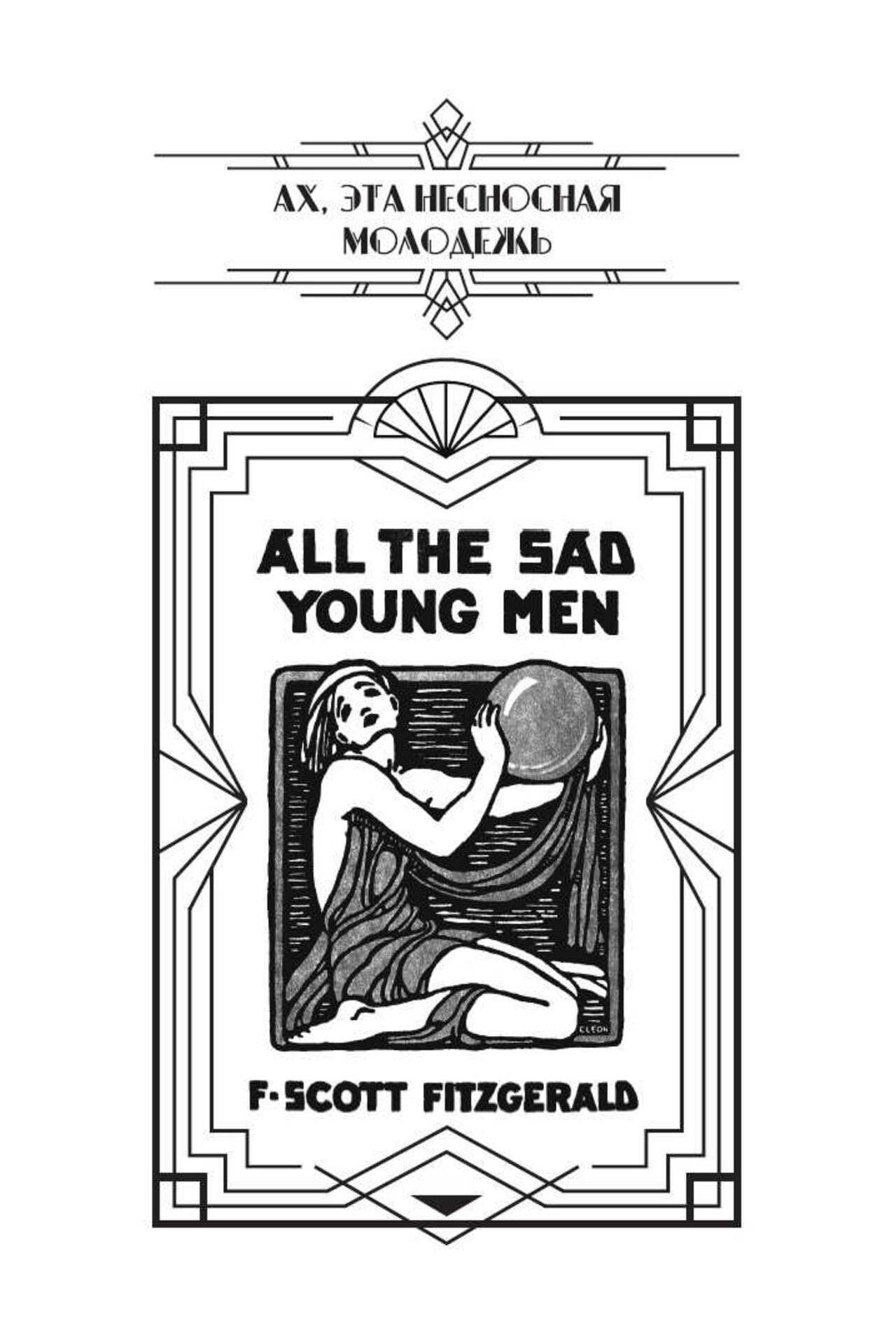
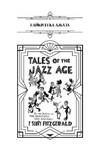
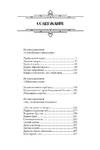
The collection includes nineteen stories of the famous American writer Francis Scott Fitzgerald from three cycles: "Fools and Philosophers", "Tales of the Jazz Age" and "Ah, this obnoxious youth". All texts are given in translations by S. Y. Afonkin. At the end of the book are the dates of appearance of the stories in American magazines, the names of these magazines, and the American artists who did the illustrations for the stories.
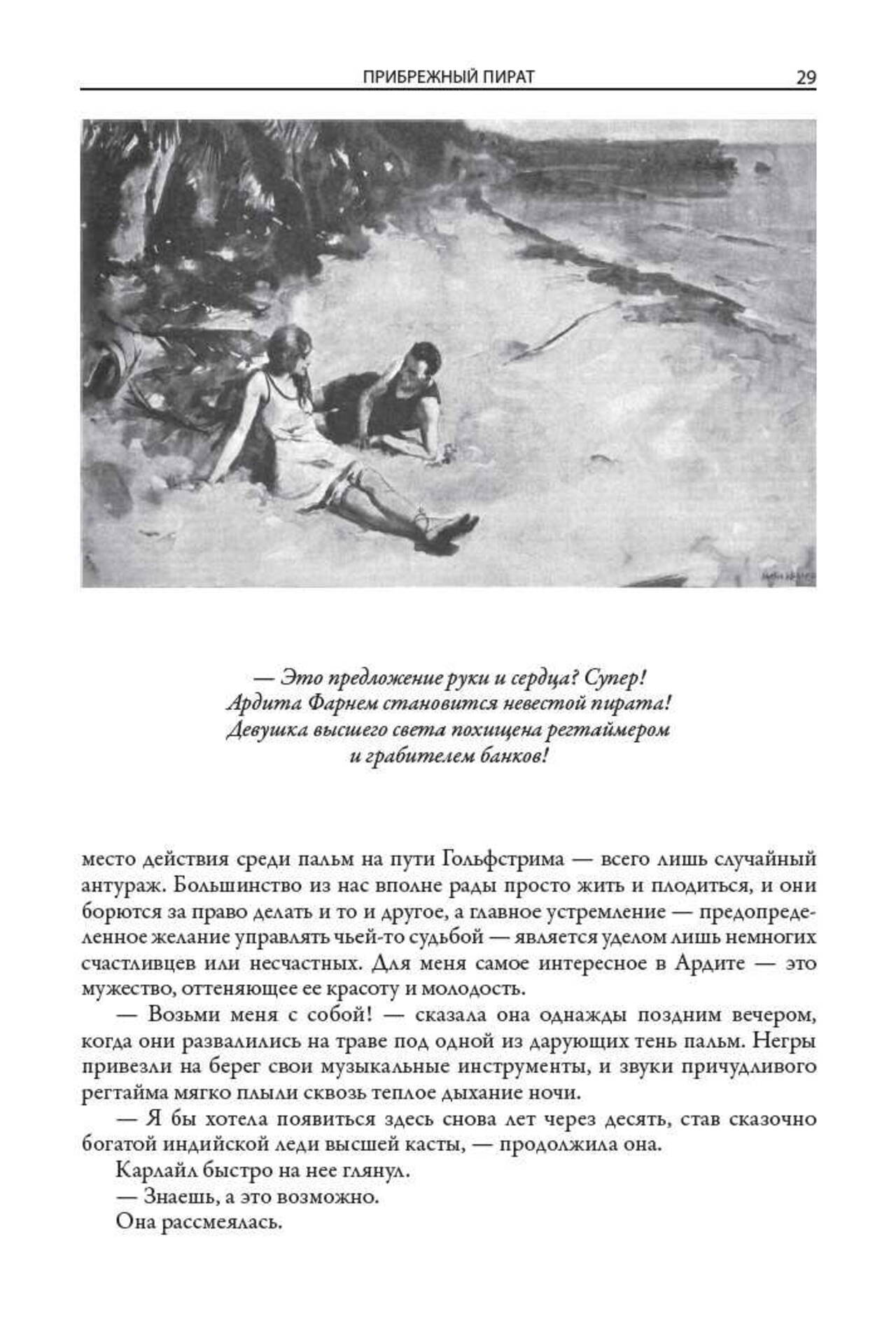
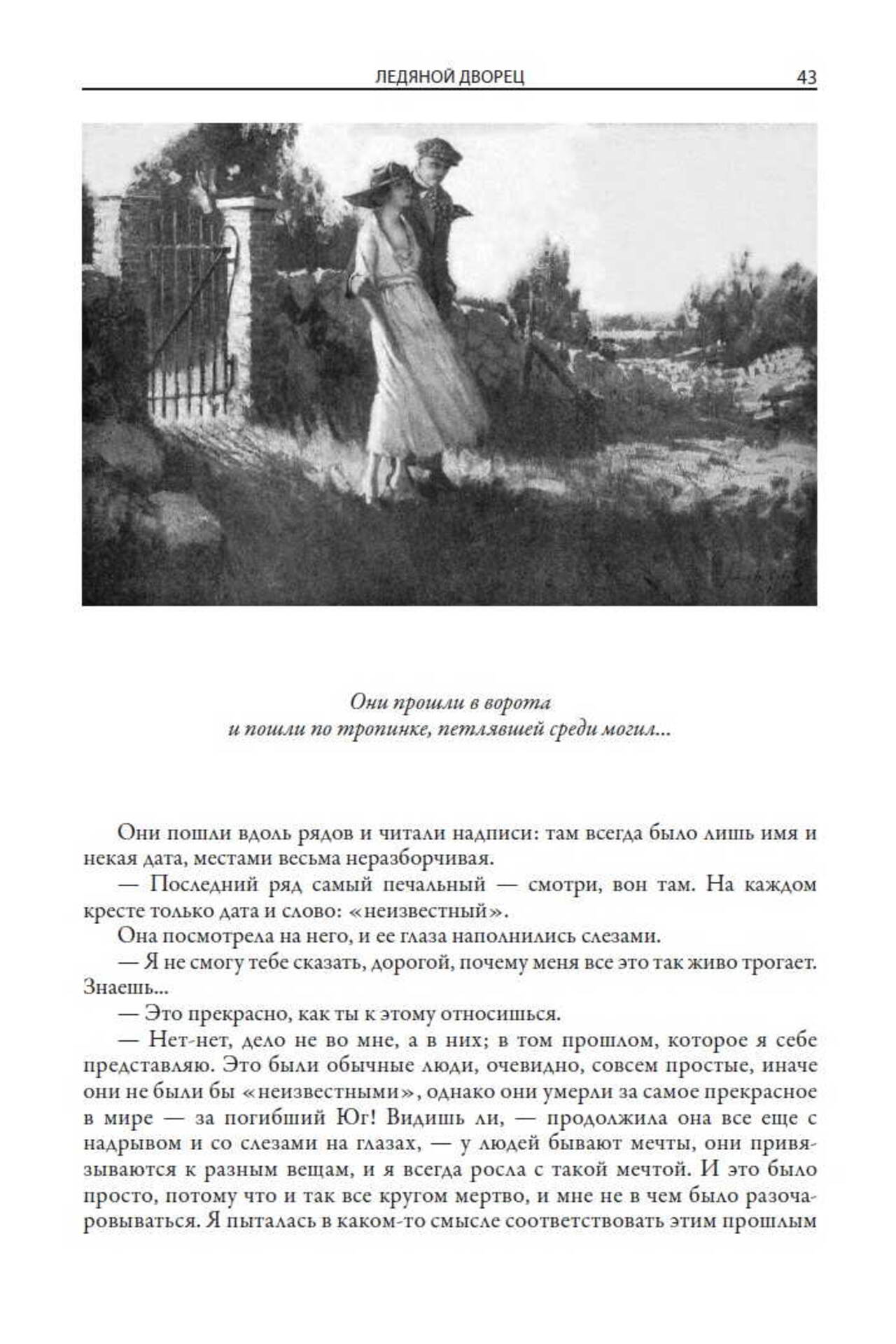
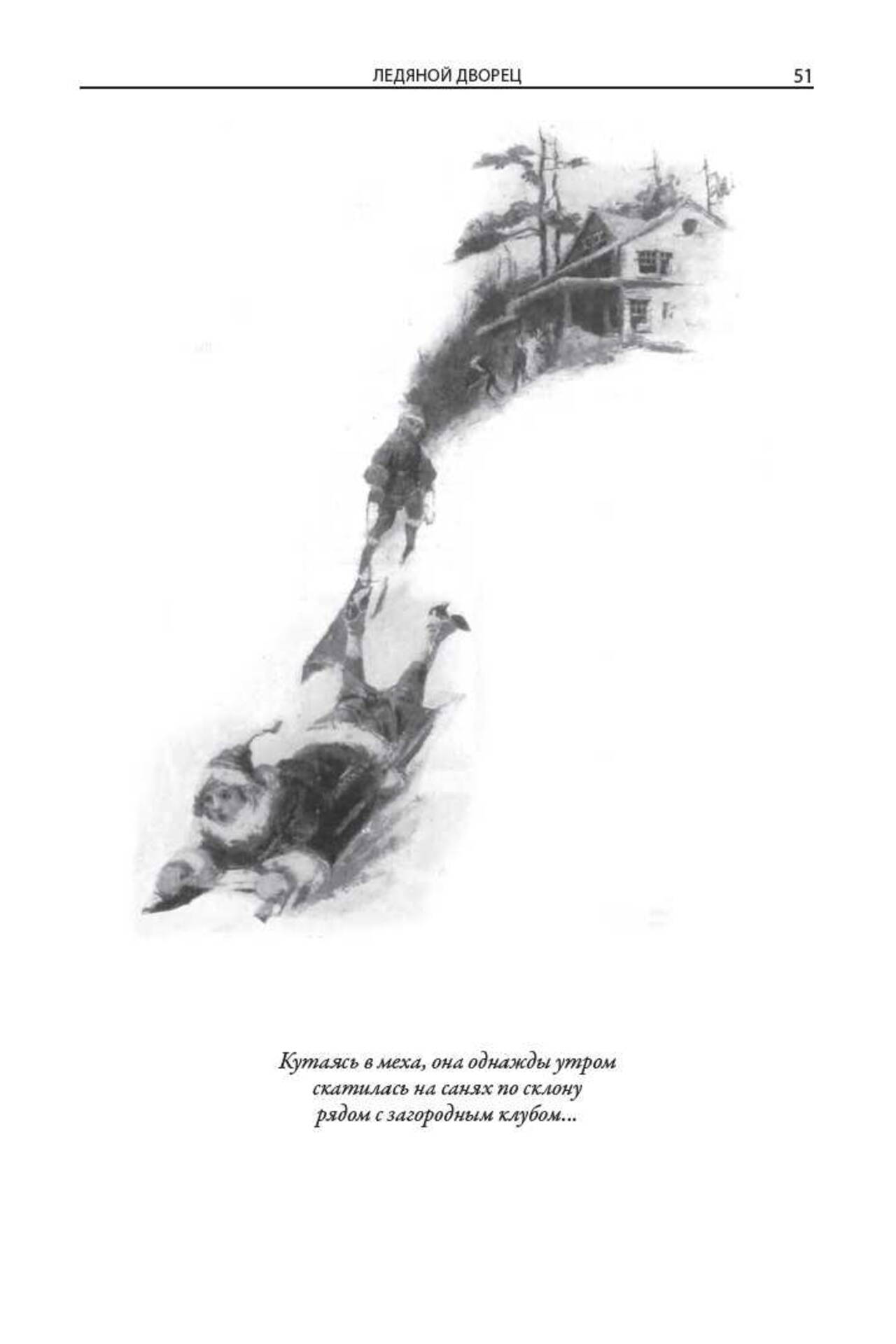
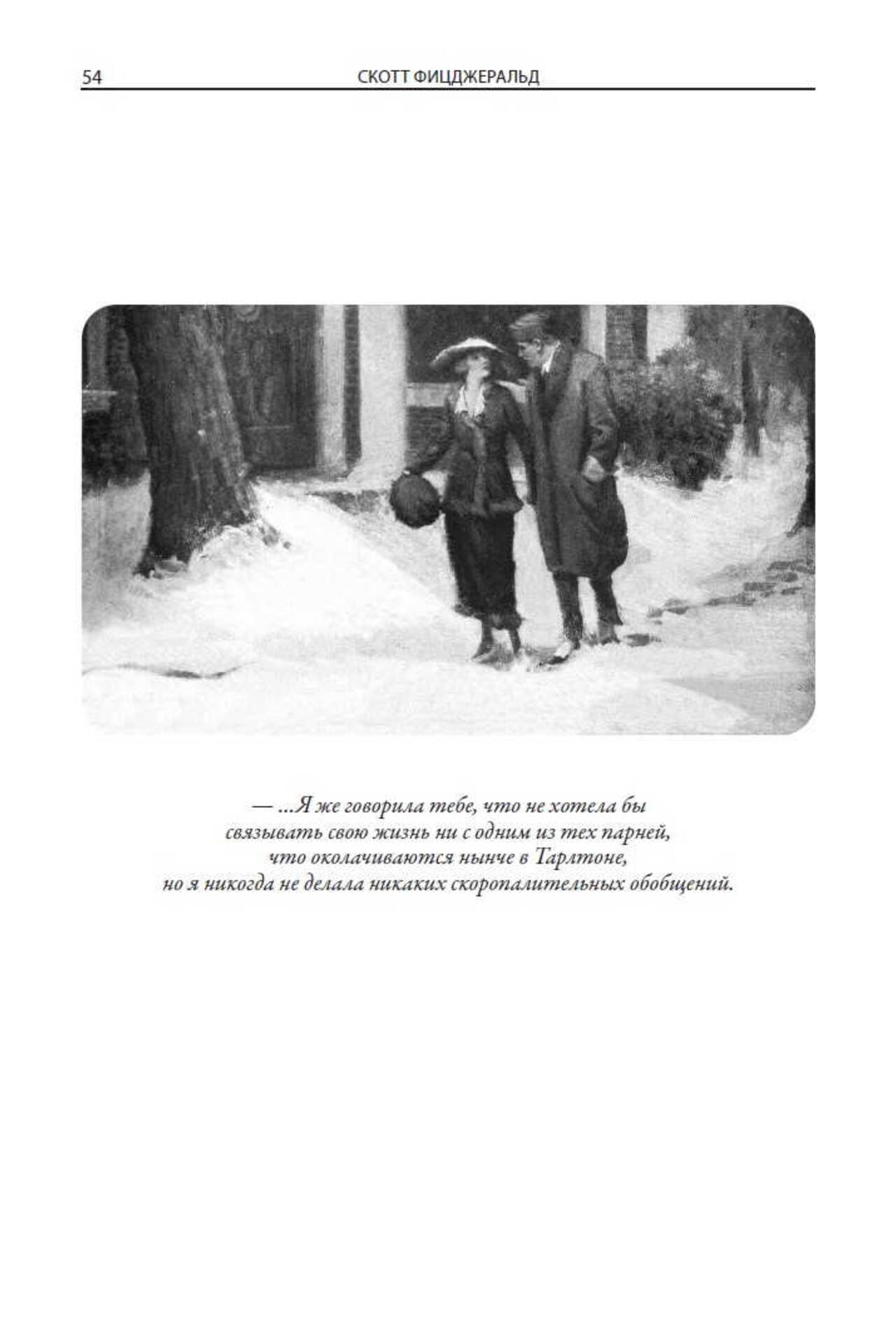
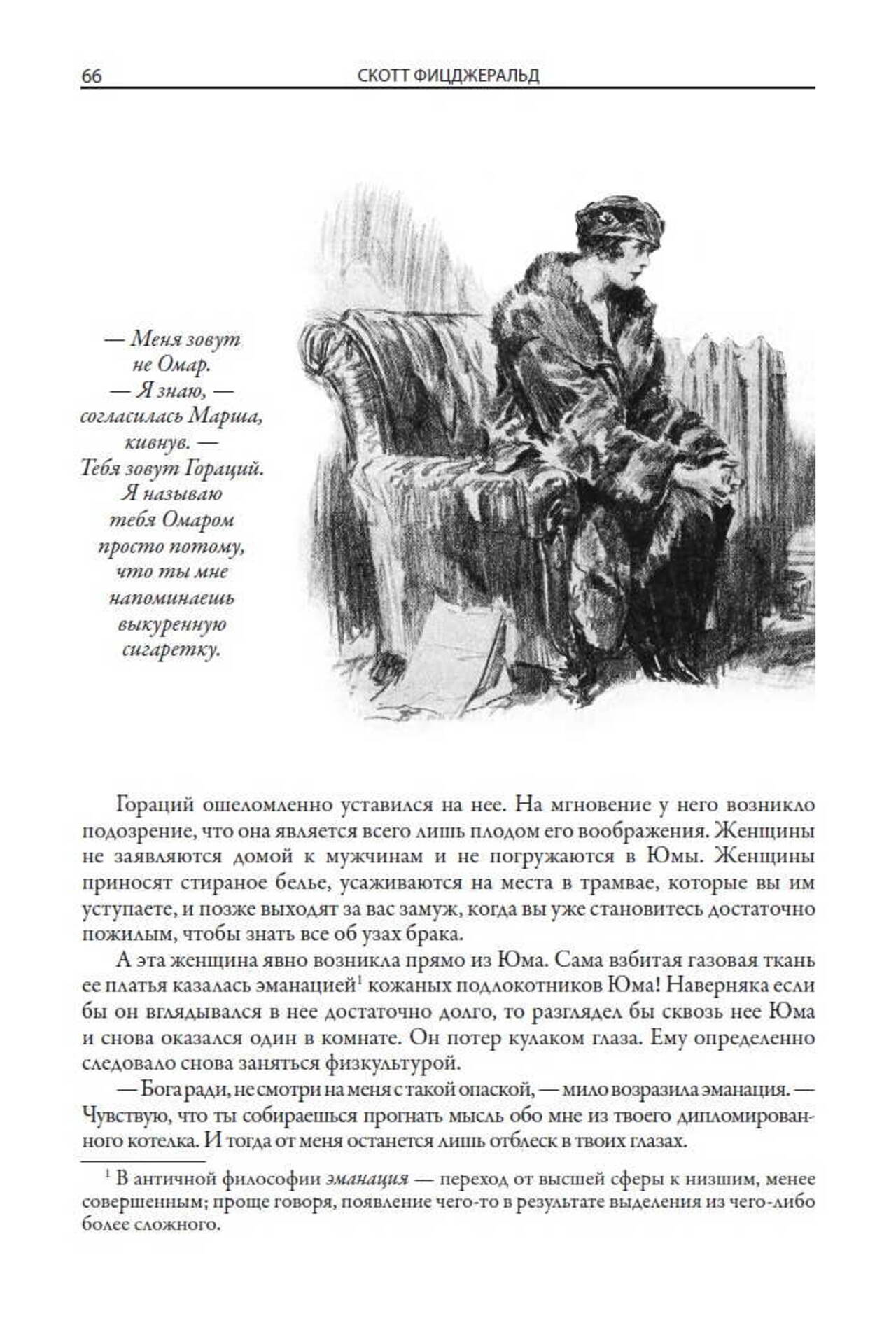
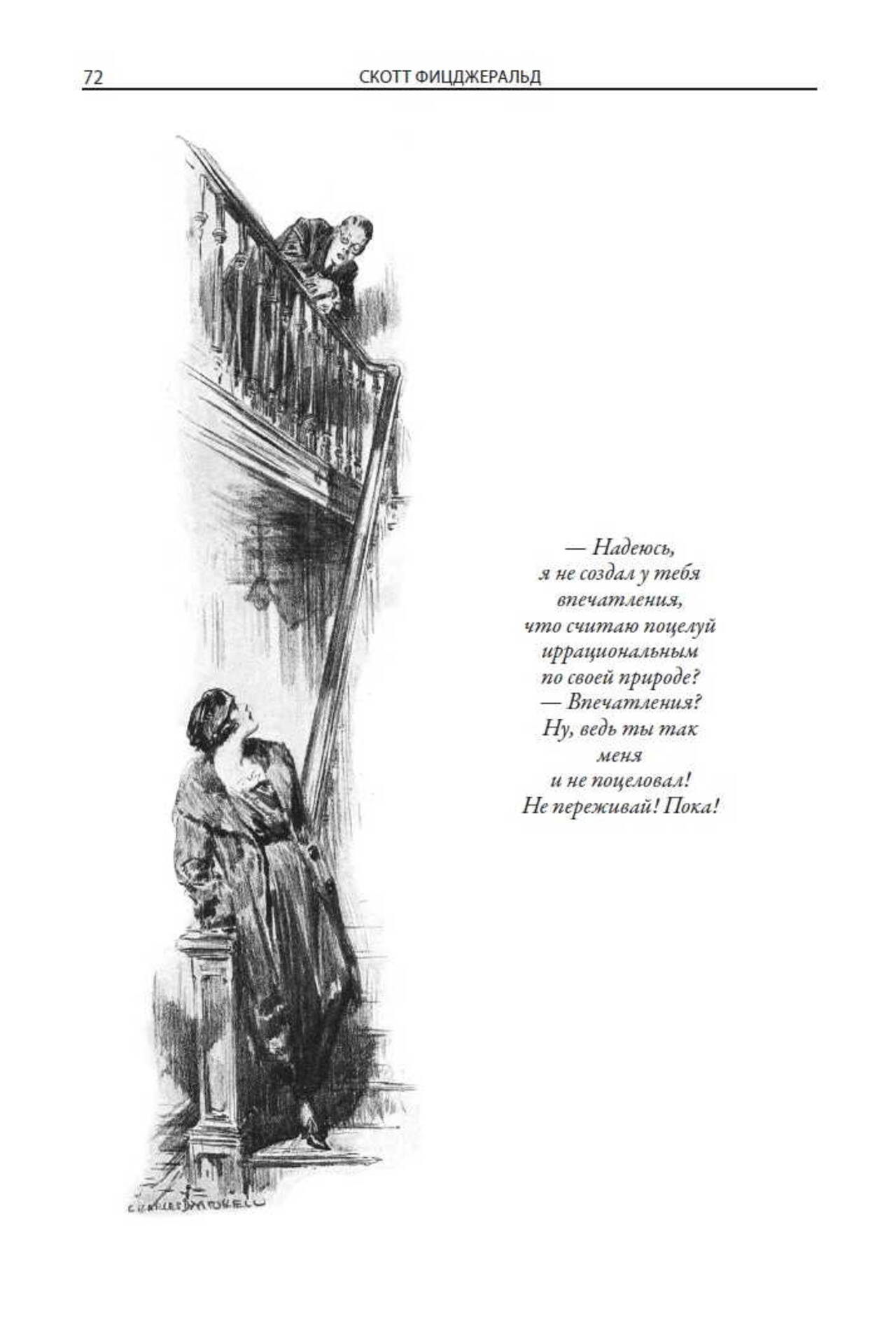
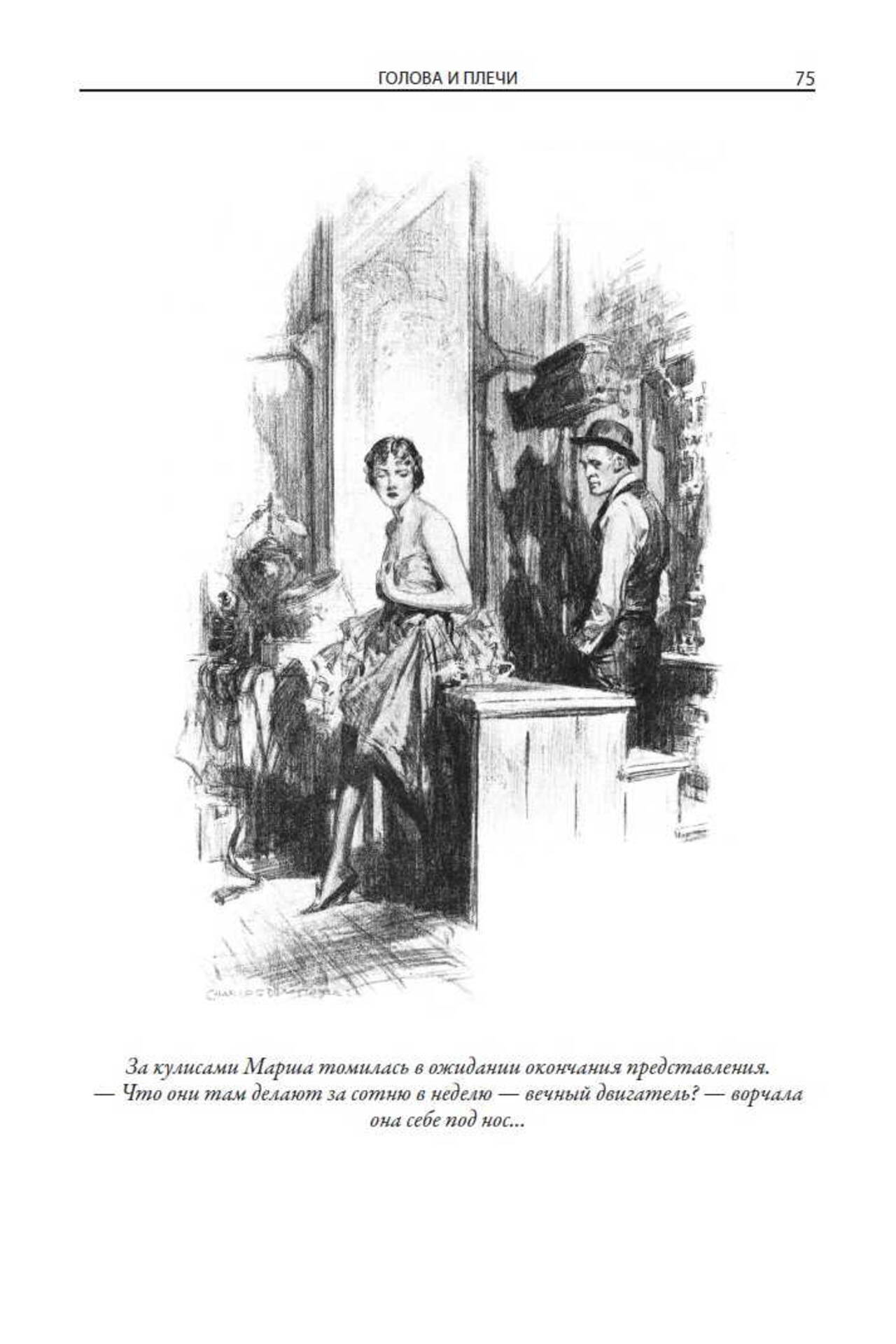
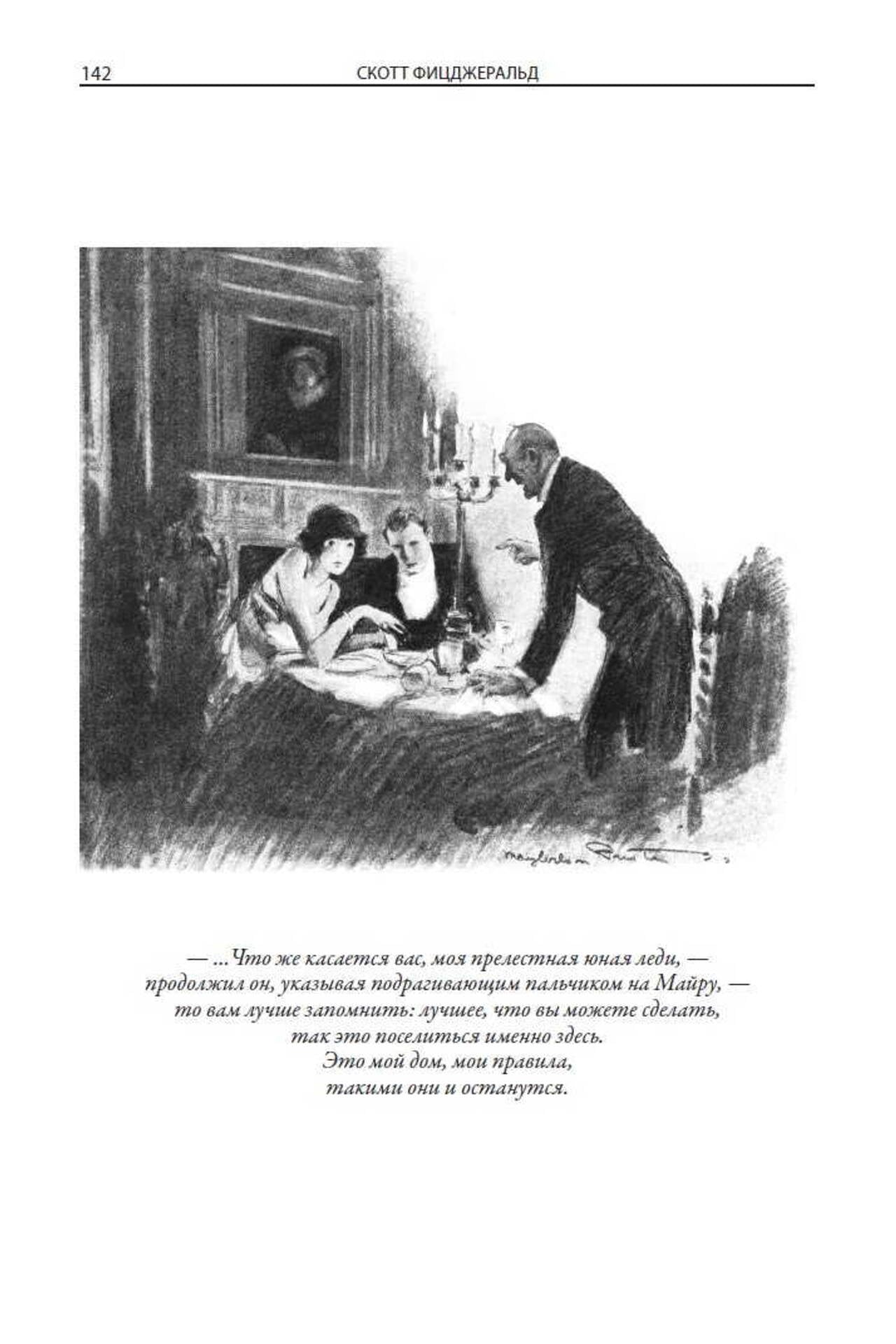
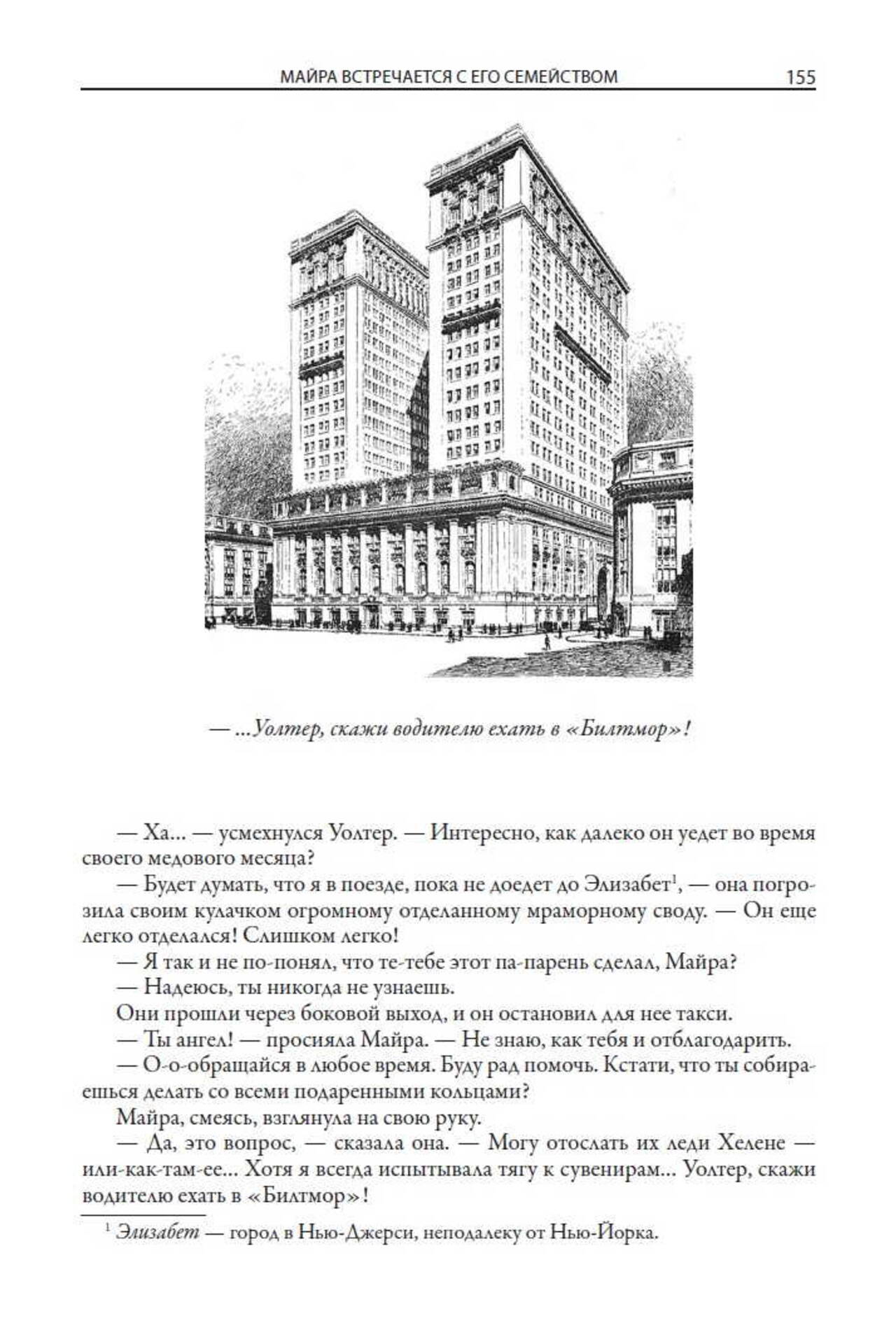
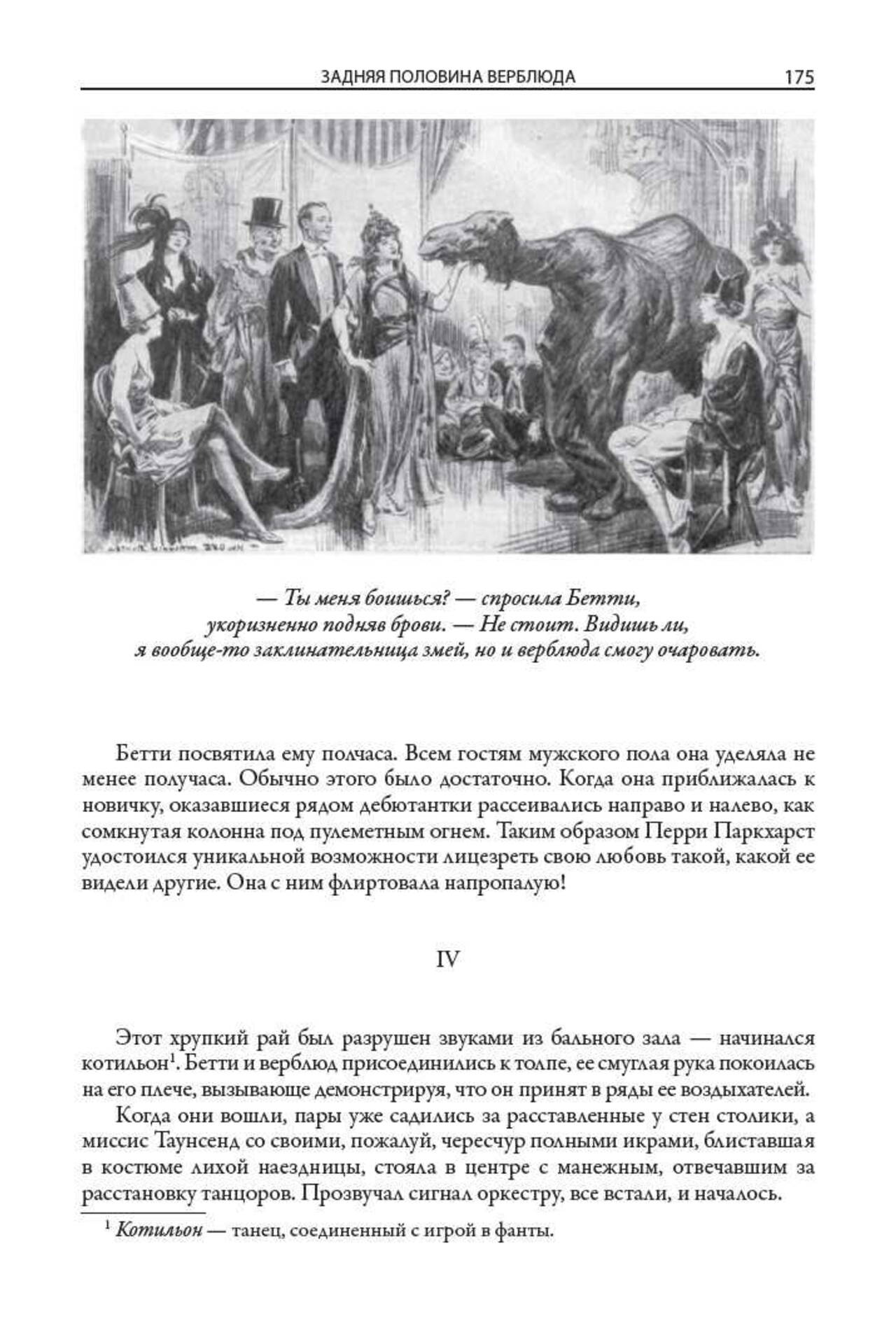
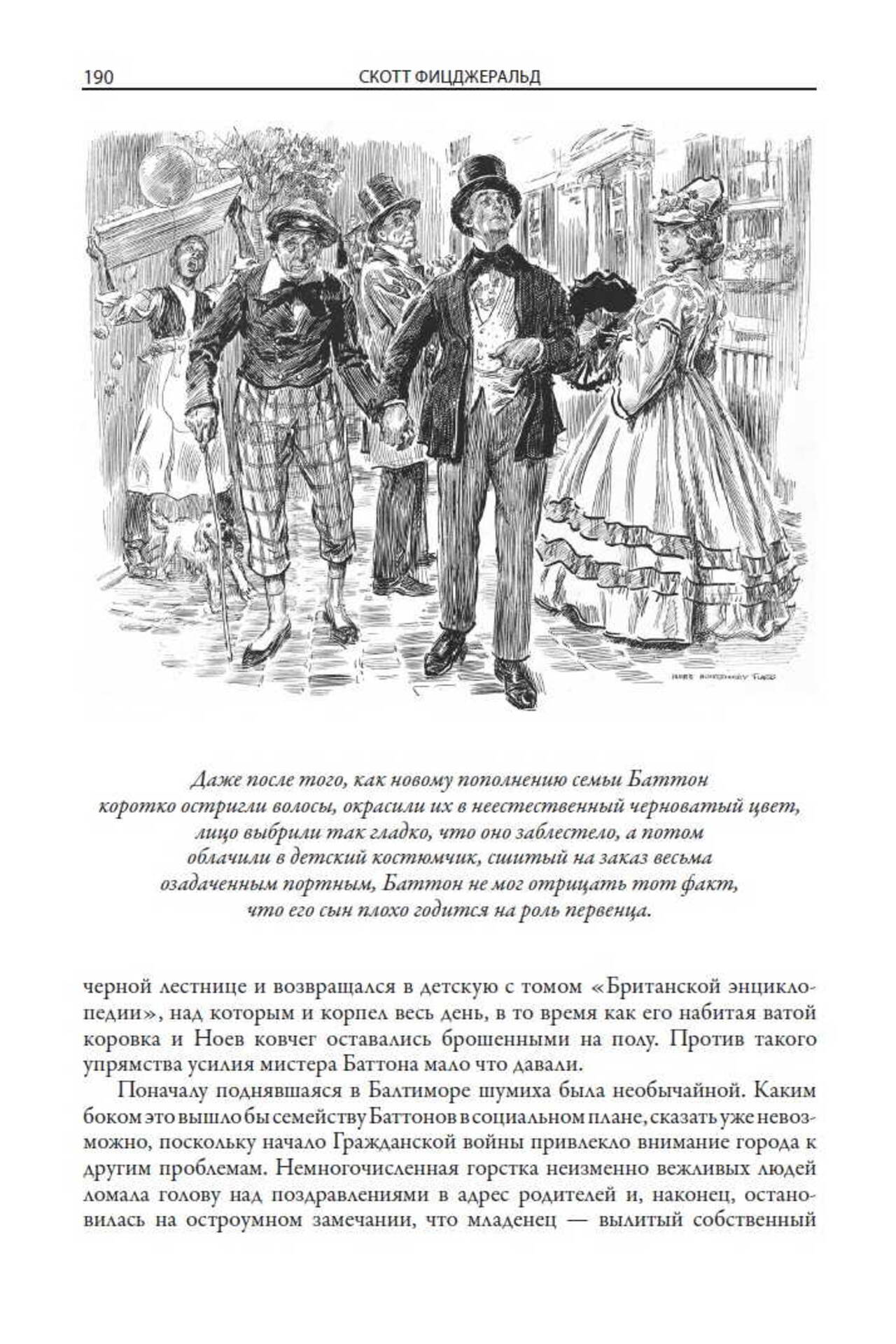
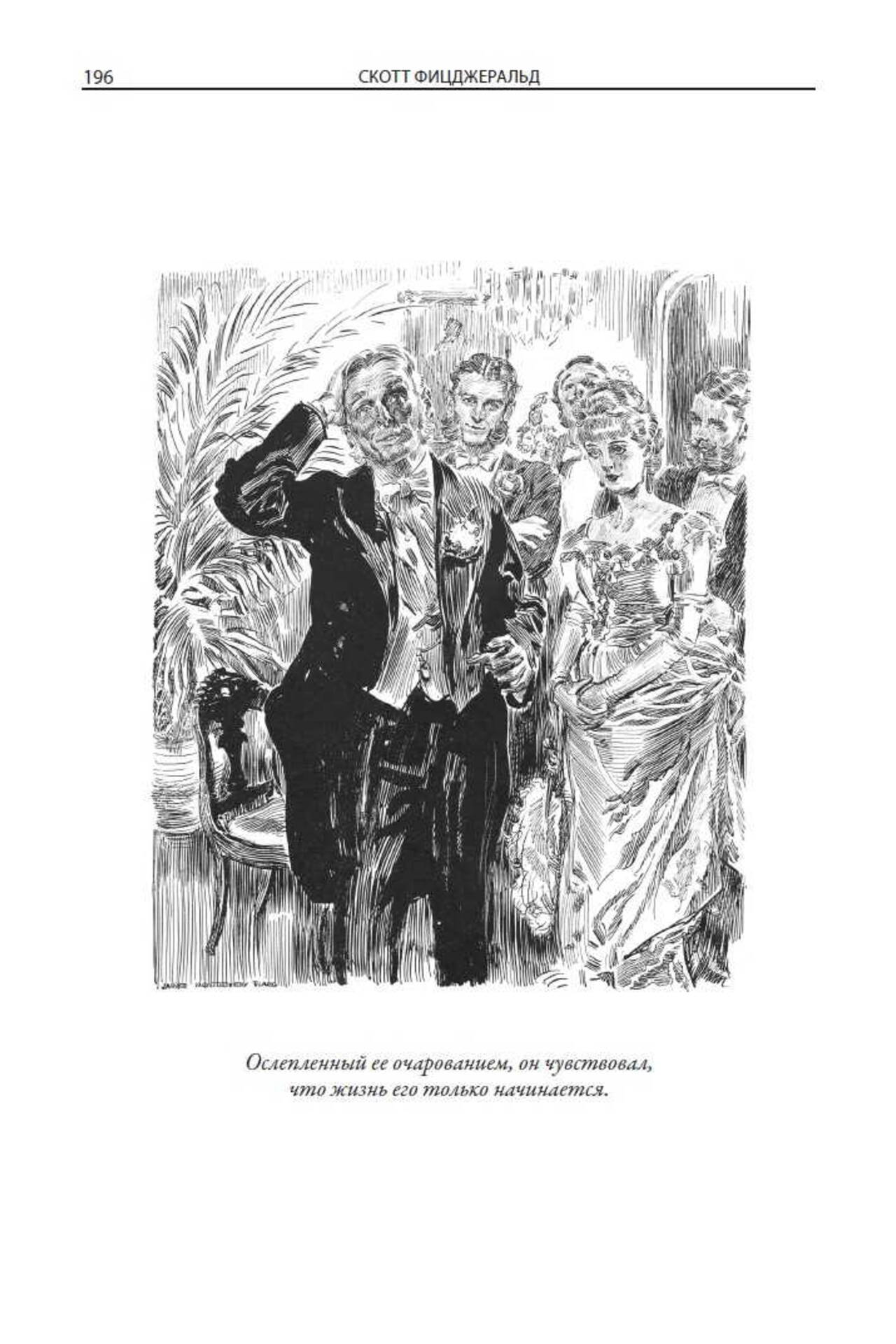
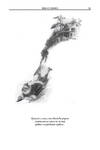
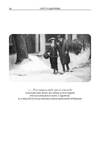
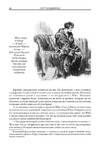
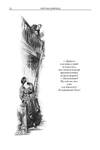
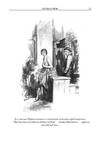
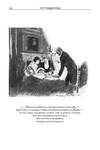
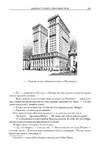
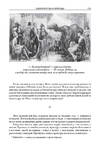
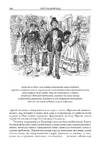
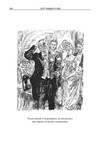
These drawings by twelve different artists in the book allow us to look at Fitzgerald's characters through the eyes of their contemporaries. Americans call the period of their history from the end of World War I to the beginning of the Great Depression the Jazz Age. The term was coined by Francis Scott Fitzgerald. In his stories that appeared in American magazines in the first quarter of the twentieth century, the atmosphere of that time is brilliantly conveyed. Fitzgerald wrote mainly about Americans who considered themselves "the cream of society". He himself secretly aspired to belong to them. Francis was born in 1896 in a family of Irish immigrants. His relatives paid for him to study at Princeton University. Within its walls, the young man began to dream of literary fame, because he certainly had literary talent. However, Francis never became his own among the "golden youth. Interfered with the Irish origin and low financial situation. Later Fitzgerald recalled that it was at this time in him originated in the "hostility to the class of idlers. Often the young people in his stories are such rich idlers and are. The prototype of many of the writer's young heroines was the beautiful Zelda. She was the daughter of a judge and was considered one of the most enviable brides of Alabama. The girl's family was against her marriage to an Irishman, unable to provide his future spouse a trouble-free existence. In love Fitzgerald decided that his only trump card could be a triumph in the literary field. He moved to New York, got a job in an advertising agency and began to write stories. At first things went badly - the manuscripts were returned. The first success happened only in 1920 after the publication of the novel "This Side of Paradise". Francis's works began to be published, and he married his Zelda. In a sense, Fitzgerald became one of the heroes of his novels. He bought a mansion in Manhattan and began to appear regularly with his wife at all the famous parties of the "Big Apple". Although, of course, idle bon vivant he was not - to lead such a lifestyle, he allowed only hard work writing. This life, seemingly outwardly so attractive, had its downside. Spouses often quarreled, jealous Zelda rolled her husband scandals, and he poured them with alcohol. Break out of the New York endless whirlwind helped a trip to Europe. It was there, in Paris, Fitzgerald finished "The Great Gatsby" - a novel that has become a masterpiece of American literature "jazz age". The atmosphere of that time is well conveyed by the drawings in this book. They are made by a whole galaxy of American artists who illustrated Fitzgerald's stories in the 20s of the last century.
These drawings by twelve different artists in the book allow us to look at Fitzgerald's characters through the eyes of their contemporaries. Americans call the period of their history from the end of World War I to the beginning of the Great Depression the Jazz Age. The term was coined by Francis Scott Fitzgerald. In his stories that appeared in American magazines in the first quarter of the twentieth century, the atmosphere of that time is brilliantly conveyed. Fitzgerald wrote mainly about Americans who considered themselves "the cream of society". He himself secretly aspired to belong to them. Francis was born in 1896 in a family of Irish immigrants. His relatives paid for him to study at Princeton University. Within its walls, the young man began to dream of literary fame, because he certainly had literary talent. However, Francis never became his own among the "golden youth. Interfered with the Irish origin and low financial situation. Later Fitzgerald recalled that it was at this time in him originated in the "hostility to the class of idlers. Often the young people in his stories are such rich idlers and are. The prototype of many of the writer's young heroines was the beautiful Zelda. She was the daughter of a judge and was considered one of the most enviable brides of Alabama. The girl's family was against her marriage to an Irishman, unable to provide his future spouse a trouble-free existence. In love Fitzgerald decided that his only trump card could be a triumph in the literary field. He moved to New York, got a job in an advertising agency and began to write stories. At first things went badly - the manuscripts were returned. The first success happened only in 1920 after the publication of the novel "This Side of Paradise". Francis's works began to be published, and he married his Zelda. In a sense, Fitzgerald became one of the heroes of his novels. He bought a mansion in Manhattan and began to appear regularly with his wife at all the famous parties of the "Big Apple". Although, of course, idle bon vivant he was not - to lead such a lifestyle, he allowed only hard work writing. This life, seemingly outwardly so attractive, had its downside. Spouses often quarreled, jealous Zelda rolled her husband scandals, and he poured them with alcohol. Break out of the New York endless whirlwind helped a trip to Europe. It was there, in Paris, Fitzgerald finished "The Great Gatsby" - a novel that has become a masterpiece of American literature "jazz age". The atmosphere of that time is well conveyed by the drawings in this book. They are made by a whole galaxy of American artists who illustrated Fitzgerald's stories in the 20s of the last century.
See also:
- All books by the publisher
- All books by the author
- All books in the series Library of World Literature