




The Devil in Love
14.99 €
Out of stock
The Devil in Love
14.99 €
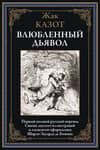
The famous story of the French writer, poet and translator of the XVIII century Jacques Cazotte "The Devil in Love" is published for the first time in full, with a preface by the author. The text of the story, translated by L. G. Zhdanov, is preceded by an essay from the book "The Illuminati" by the French novelist of the 19th century Gerard de Nerval, which tells about Cazotte's life and his literary work. The edition contains numerous notes that help to appreciate all the details of the text. The book is decorated with more than two hundred expressive drawings by Charles-Edouard de Beaumont, a talented French graphic artist of the 19th century.
The story "The Devil in Love" by Jacques Cazotte is considered a precursor of Romanticism in European literature. Its intriguing plot, built on a pact with the devil and a love story, invariably attracts the attention of readers. Classes in literature brightened Kazot monotony of official service. The future writer was born in 1719 in Dijon in the family of a landowner and wine merchant. Having reached the age of twenty-two, Casot began working as a petty clerk in the Ministry of the Navy. At the same time was published his first work - a collection of amusing parodies of fairy tales "One Thousand and One Nights". In 1742, Cazotte published another similar collection - "A Thousand and One Foolish Things", in which he also demonstrated a lively game of fantasy and impeccable literary style. Service career Kazot gradually went uphill. First, he became an inspector, responsible for the construction and repair of various marine structures, and in 1749, having received the post of inspector of the marine fleet of the Antilles, for twelve years went to Martinique. It was probably there that "The Devil in Love" was conceived. This story, first published in 1772 in France, became the pinnacle of the writer's literary work. Jacques Cazotte composed librettos for operas and published The Continuation of a Thousand and One Nights. Unfortunately, the writer's life ended tragically. Cazotte's monarchist beliefs and letters in which he discussed the possibility of saving the king were enough for a revolutionary court to sentence the elderly writer to execution by guillotine in 1792. The French artist Édouard de Beaumont, whose evocative illustrations adorn this edition, began his career as a landscape painter. He was born in Paris in 1819 to a sculptor's family. His father wanted his son to follow in his footsteps and also take up art. To this end, he gave the boy to the artist Antoine Felix Boisselier for training in drawing. Having mastered the basics of skill, Edward in 1839 began to exhibit in the Paris Salon. Then there was a long trip to Italy, during which de Beaumont continued to polish the art of drawing. Edouard had an excellent command of watercolor technique. In 1879, together with Jean-Georges Vibert, he founded the French Society of Watercolorists and was its head for a long time. However, Edouard de Beaumont gained wider fame through his graphic works. He illustrated dozens of books. Many French people read "The Cathedral of Notre Dame de Paris" by Victor Hugo with his illustrations. De Beaumont's drawings for "The Devil in Love" are widely known far beyond the borders of France.
The story "The Devil in Love" by Jacques Cazotte is considered a precursor of Romanticism in European literature. Its intriguing plot, built on a pact with the devil and a love story, invariably attracts the attention of readers. Classes in literature brightened Kazot monotony of official service. The future writer was born in 1719 in Dijon in the family of a landowner and wine merchant. Having reached the age of twenty-two, Casot began working as a petty clerk in the Ministry of the Navy. At the same time was published his first work - a collection of amusing parodies of fairy tales "One Thousand and One Nights". In 1742, Cazotte published another similar collection - "A Thousand and One Foolish Things", in which he also demonstrated a lively game of fantasy and impeccable literary style. Service career Kazot gradually went uphill. First, he became an inspector, responsible for the construction and repair of various marine structures, and in 1749, having received the post of inspector of the marine fleet of the Antilles, for twelve years went to Martinique. It was probably there that "The Devil in Love" was conceived. This story, first published in 1772 in France, became the pinnacle of the writer's literary work. Jacques Cazotte composed librettos for operas and published The Continuation of a Thousand and One Nights. Unfortunately, the writer's life ended tragically. Cazotte's monarchist beliefs and letters in which he discussed the possibility of saving the king were enough for a revolutionary court to sentence the elderly writer to execution by guillotine in 1792. The French artist Édouard de Beaumont, whose evocative illustrations adorn this edition, began his career as a landscape painter. He was born in Paris in 1819 to a sculptor's family. His father wanted his son to follow in his footsteps and also take up art. To this end, he gave the boy to the artist Antoine Felix Boisselier for training in drawing. Having mastered the basics of skill, Edward in 1839 began to exhibit in the Paris Salon. Then there was a long trip to Italy, during which de Beaumont continued to polish the art of drawing. Edouard had an excellent command of watercolor technique. In 1879, together with Jean-Georges Vibert, he founded the French Society of Watercolorists and was its head for a long time. However, Edouard de Beaumont gained wider fame through his graphic works. He illustrated dozens of books. Many French people read "The Cathedral of Notre Dame de Paris" by Victor Hugo with his illustrations. De Beaumont's drawings for "The Devil in Love" are widely known far beyond the borders of France.
See also:
- All books by the publisher
- All books by the author
- All books in the series Library of World Literature