


Gold for Industrialization: Torgsin
19.99 €
Out of stock
Gold for Industrialization: Torgsin
19.99 €
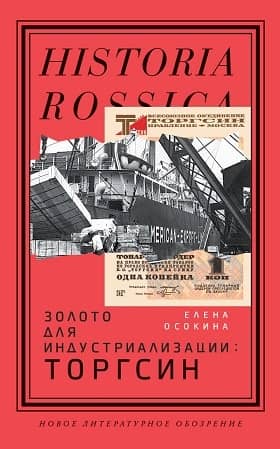
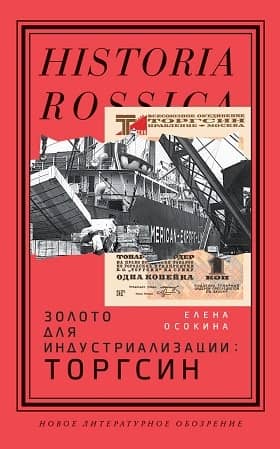
If you have read Mikhail Bulgakov's novel The Master and Margarita, you probably remember the scene in the capital's "Torgsin" store, located at the very end of Arbat near the Garden Ring. In exchange for jewelry and currency, the magnificent store sold Soviet citizens and foreigners "fat pink salmon," mitkali, chiffons, and other fashionable consumer goods and delicacies. But did you know that between 1931 and 1935, one and a half thousand trading centers operated in the USSR? Gold, silver, diamonds, currency, which the Soviet people brought to Torgsin, fleeing from hunger, allowed the country's leadership to buy foreign equipment for Magnitka, Uralmash, Dneprostroy and other giants of the emerging Soviet industry. In the interests of industrialization, Torgsin actually legalized currency prostitution, and in the pursuit of gold was ahead of the main Soviet exporters of grain, timber, oil, as well as the OGPU, which seized currency valuables from the population by force. The reader will learn about what became of the gold of the Russian Empire, who invented Torgsin, how much cost "Ford", how the gold of the Spanish treasury was in the vaults of the Gosbank in Moscow, what was the precious harvest collected by Torgsin and much more. Elena Osokina - Doctor of Historical Sciences, Professor, author of works on the socio-economic history of the 1920-1930s.
See also:
- All books by the publisher
- All books by the author
- All books in the series Rossica History